Simple Guide to Understanding Weld Saver in Industry
Posted by Sheldon Serrano
Filed in Technology 303 views
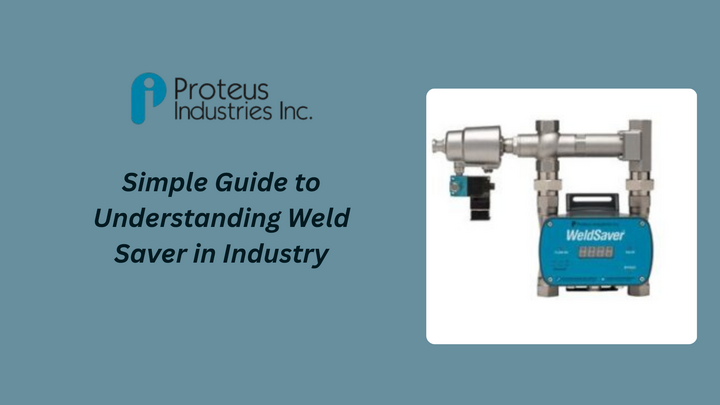
Welding is one of the most important processes in modern industries. It is widely used in factories that manufacture cars, machines, metal structures, pipelines, and many other essential products that we depend on every day. However, welding is not just about the welding machine itself—it also relies on several supporting systems to work safely and efficiently.
One such important system is the Weld Saver. Many people come across this term in industrial settings but are not fully sure what it means or why it is needed. In simple terms, a Weld Saver plays a key role in protecting welding equipment and improving the overall performance of the welding process. Understanding how it works can help industries reduce downtime, improve safety, and increase productivity.
What is a Weld Saver?
A Weld Saver is a device used in welding systems to protect equipment and control the flow of cooling water during the welding process.
In simple words, it works like a safety system for welding machines, helping them run smoothly without overheating or damage.
Welding machines produce a lot of heat, and if this heat is not controlled properly, it can affect performance or even damage the machine. A Weld Saver solves this problem by ensuring proper and continuous cooling water flow whenever needed.
Main functions of a Weld Saver:
- Controls water flow
- Prevents overheating
- Protects welding equipment
- Improves machine life and performance
In short, a Weld Saver helps keep welding systems safe, stable, and efficient.
Why is a Weld Saver Important in Industry?
In industries, welding machines often run for long hours in continuous production. This heavy usage can create problems if the system is not properly controlled.
Without protection, issues like overheating, cooling water failure, damage to welding parts, production stoppage, and high repair costs can occur.
A Weld Saver helps prevent these problems by controlling the cooling system and keeping the welding process stable and safe. It ensures smooth operation, reduces downtime, and improves overall efficiency. It is important because it protects equipment and keeps industrial welding running without interruption.
How Does a Weld Saver Work?
Although it is a technical device, the working of a Weld Saver is quite simple to understand.
Here is a step-by-step explanation:
1. Water Flow Monitoring
The Weld Saver continuously checks whether cooling water is flowing properly through the welding system.
2. Continuous Checking
It keeps monitoring the flow throughout the entire operation of the machine.
3. Detecting Problems
If the water flow becomes low, irregular, or completely stops, the system quickly identifies the issue.
4. Taking Action
Once a problem is detected, the Weld Saver responds immediately by:
- Stopping the welding machine
- Triggering an alarm or warning signal
- Preventing further operation to avoid damage
Applications of Weld Saver
One of the main areas of use is the automotive industry, where it supports welding processes in car manufacturing plants, helping in the assembly of vehicle bodies and parts. It is also commonly used in metal fabrication units, where workers create metal frames, structures, and various industrial components.
In the heavy machinery industry, Weld Saver systems help protect large welding equipment used to manufacture big machines and industrial tools. It is also an important part of robotic welding lines, where automated systems need constant monitoring and safety control for smooth operation.
Additionally, it is used in pipeline and construction work, where strong and continuous welding is required for long-duration projects.
Weld Saver is used anywhere welding machines run continuously and need reliable protection to ensure safe and efficient performance.
Common Problems Without a Weld Saver
- Welding operations may stop unexpectedly, causing delays in production.
- Poor cooling control can lead to overheating and damage important machine parts.
- Inconsistent welding quality can affect the final output and product standards.
- Machines may break down more often, increasing maintenance needs.
- Repeated issues lead to more repair expenses for industries.
- Downtime reduces overall productivity and slows down operations.
- Continuous stress and overheating can shorten the life of welding equipment.
- Poor system control can slow down the overall welding process.
- Lack of proper monitoring increases the chances of serious machine damage.
Why Modern Industries Prefer Weld Saver Systems
Modern industries are becoming faster and more automated, where machines often run continuously for long hours. In such environments, reliability and safety become very important.
Industries today look for solutions that reduce manual work, improve efficiency, and prevent sudden machine failures. They also need systems that can support continuous production without interruptions.
A Weld Saver meets these requirements very effectively. It works automatically, monitors the welding system in real time, and ensures that everything runs smoothly without constant human supervision.
In simple terms, modern industries prefer Weld Saver systems because they help improve productivity, reduce risks, and keep welding operations stable and efficient.
Final Thoughts
A Weld Saver may look like a small component in a welding system, but it plays a very important role in keeping the entire process safe, stable, and efficient. From controlling cooling water flow to preventing overheating and machine failures, it helps industries maintain smooth production without unnecessary interruptions.
In today’s fast-moving industrial world, where every second of production matters, having reliable systems like a Weld Saver is not just helpful; it is essential. It reduces downtime, lowers maintenance costs, and improves the overall life of welding equipment.
It's a smart and practical solution that supports modern welding operations and ensures long-term productivity and safety in industries.