Fire Extinguisher Classes Explained: A Complete Guide to A, B, C, D, and K Fire
Posted by Smith Matthew
241 views
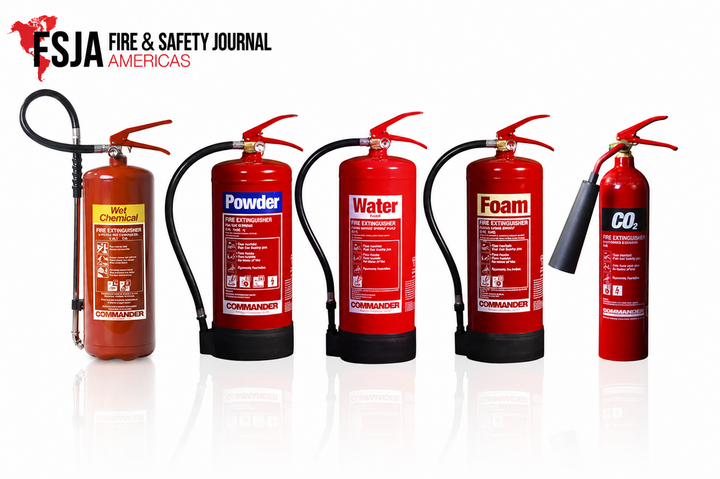
Understanding fire extinguisher classes is one of the most important aspects of fire safety. Not every fire burns the same way, which means the same extinguishing method will not work in every situation. Fires involving paper, cooking oils, flammable liquids, gases, or combustible metals each require a specific type of extinguisher designed to tackle that particular hazard. Using the wrong extinguisher can make a fire spread more rapidly, increase the risk of injury, or even create additional dangers. Whether you are protecting a home, workplace, warehouse, or commercial kitchen, knowing which extinguisher to use is essential. This guide explains the five primary categories—Class A, B, C, D, and K—along with their applications, helping you make informed decisions that improve safety and emergency preparedness.
What Are Fire Extinguisher Classes?
Fire extinguisher classifications are a standardized way of matching an extinguisher to the type of fuel involved in a fire. Instead of relying on a single solution for every emergency, manufacturers design extinguishers to combat specific fire hazards effectively and safely. These classifications help homeowners, employers, and safety professionals quickly identify the correct equipment during an emergency. Choosing the appropriate extinguisher improves the chances of controlling a small fire while reducing the risk of personal injury, equipment damage, and property loss. Understanding these categories also supports compliance with workplace safety regulations and encourages better fire prevention planning.
Why Fire Extinguisher Classes Matter
Selecting the correct extinguisher is essential because different fuels react differently when exposed to heat and extinguishing agents.
-
Prevents dangerous reactions that may worsen a fire.
-
Reduces the risk of injuries during emergency response.
-
Helps minimise property damage and business disruption.
-
Supports compliance with workplace fire safety regulations.
-
Improves confidence when responding to small, controllable fires.
-
Ensures extinguishers are placed where they are needed most.
-
Protects specialised environments such as kitchens, laboratories, and industrial facilities.
Class A Fire Extinguishers
Class A extinguishers are designed for fires involving ordinary combustible materials such as wood, paper, cardboard, cloth, and many plastics. These are among the most common fires in homes, schools, offices, and retail spaces. Water extinguishers are widely used for these incidents because they cool burning materials below their ignition temperature. Foam and multipurpose dry powder extinguishers may also be suitable depending on the environment. Since these fires often spread through solid materials, acting quickly with the correct extinguisher can significantly reduce damage before emergency services arrive.
Class B Fire Extinguishers
Class B extinguishers are intended for fires involving flammable liquids, including petrol, diesel, paint, solvents, and certain chemicals. These liquids can ignite rapidly and spread across surfaces, making them particularly hazardous. Foam extinguishers create a protective layer that suppresses vapours while cooling the fuel, whereas carbon dioxide and dry powder extinguishers interrupt the combustion process. These extinguishers are commonly found in garages, workshops, manufacturing facilities, fuel storage areas, and maintenance locations where flammable liquids are regularly handled.
Class C Fire Extinguishers
Class C extinguishers are suitable for fires involving flammable gases such as propane, butane, methane, and liquefied petroleum gas (LPG). Gas fires present unique hazards because escaping fuel can continue feeding the flames until the supply is stopped. Dry powder extinguishers are generally recommended because they quickly interrupt the chemical reaction responsible for combustion. Before attempting to extinguish a gas fire, the fuel source should be isolated whenever it is safe to do so. If this cannot be achieved, evacuating the area and contacting emergency responders is the safest course of action.
Class D Fire Extinguishers
Class D extinguishers are specially designed for combustible metal fires involving materials such as magnesium, sodium, potassium, titanium, and lithium. These fires generate extremely high temperatures and react dangerously with water or standard extinguishing agents. Specialist dry powder extinguishers work by creating a barrier that separates the burning metal from oxygen while absorbing heat. Metal fires are most commonly encountered in laboratories, aerospace facilities, manufacturing plants, and metal processing operations where combustible metals are stored or used during production.
Class K Fire Extinguishers
Class K extinguishers are specifically developed for cooking oil and animal fat fires commonly found in commercial kitchens. High-temperature cooking oils can reignite quickly if they are not cooled effectively. Wet chemical extinguishers release a fine spray that cools the burning oil while creating a soap-like layer over the surface, preventing oxygen from reaching the fuel. Restaurants, hotels, cafeterias, and food production facilities typically install these extinguishers near deep fryers and commercial cooking equipment to improve kitchen safety.
Fire Extinguisher Classes Comparison Table
The following comparison highlights the key differences between extinguisher categories, making it easier to understand where each type is most effective.
| Fire Class | Fuel Source | Recommended Extinguisher | Typical Locations |
|---|---|---|---|
| Class A | Wood, paper, cloth, cardboard, plastics | Water, Foam, Dry Powder | Homes, offices, schools |
| Class B | Petrol, diesel, paint, solvents | Foam, CO₂, Dry Powder | Garages, workshops, fuel storage |
| Class C | Flammable gases | Dry Powder | Gas plants, industrial facilities |
| Class D | Combustible metals | Class D Dry Powder | Laboratories, metal processing plants |
| Class K | Cooking oils and fats | Wet Chemical | Commercial kitchens, restaurants |
How to Identify the Correct Fire Extinguisher Class
Choosing the right extinguisher begins with understanding the hazards present in the environment and recognising the markings displayed on the equipment.
Check the Fire Hazard
Identify the materials present in the area before selecting an extinguisher. Offices, kitchens, workshops, warehouses, and manufacturing facilities all present different fire risks that require equipment suited to those specific hazards.
Read the Extinguisher Label
Every extinguisher includes clear labels and symbols showing the types of fires it can safely extinguish. Reading these markings before an emergency helps ensure the correct equipment is selected quickly.
Assess the Environment
Consider how the space is used and whether specialised hazards such as flammable liquids, gases, metals, or commercial cooking equipment are present. Risk assessments help determine the most appropriate extinguisher locations.
Conclusion
Knowing how different extinguishers work allows people to respond more safely and effectively when a small fire occurs. Selecting equipment that matches the fuel source reduces the likelihood of injuries, limits property damage, and improves overall emergency preparedness. Regular inspections, routine maintenance, and practical fire safety training ensure extinguishers remain ready for use whenever they are needed. Businesses should also review workplace risks regularly to confirm the correct equipment is installed in suitable locations. By combining proper extinguisher selection with ongoing safety awareness, organisations and homeowners can strengthen their fire protection strategies. Fire and Safety Journal Americas encourages proactive fire safety planning as an important step towards creating safer homes, workplaces, and public environments.
Frequently Asked Questions
What are the five fire extinguisher classes?
The five main classes are Class A for ordinary combustibles, Class B for flammable liquids, Class C for flammable gases, Class D for combustible metals, and Class K for cooking oils and fats.
Which fire extinguisher is best for electrical fires?
Carbon dioxide (CO₂) extinguishers are commonly recommended because they do not leave residue and do not conduct electricity. Dry powder extinguishers may also be suitable in some situations.
Can one extinguisher be used for every fire?
No. Although multipurpose dry powder extinguishers cover several fire types, no single extinguisher is suitable for every possible fire hazard, particularly cooking oil and combustible metal fires.
What is the difference between Class B and Class K fires?
Class B involves flammable liquids such as petrol and solvents, while Class K relates specifically to cooking oils and animal fats used in commercial kitchens.
How do I know which extinguisher I need?
Identify the materials that present the greatest fire risk in your environment, carry out a fire risk assessment, and choose extinguishers designed specifically for those hazards.