What Chemicals Are Inside a Fire Extinguisher and How Do They Stop Fires?
Posted by Smith Matthew
Filed in Technology 237 views
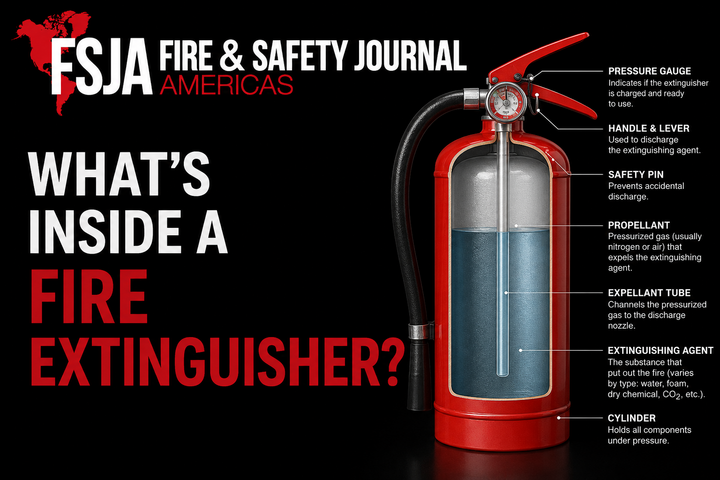
Fire extinguishers are designed to tackle different types of fires, which is why they contain different chemical agents rather than a single universal solution. The chemical inside an extinguisher determines how it suppresses flames, whether by cooling burning materials, removing oxygen, interrupting the combustion process, or preventing reignition. Choosing the correct extinguisher is essential because using the wrong chemical on a particular fire can reduce its effectiveness or even increase the danger. Understanding the contents of these safety devices helps homeowners, businesses, and facility managers make informed decisions about fire protection. This guide explains the most common chemicals used in fire extinguishers, how they work, which fire classes they are designed for, how to identify the chemical inside your extinguisher, and practical safety tips for handling these agents correctly.
Why Fire Extinguishers Use Different Chemicals?
Not every fire burns in the same way, so a single extinguishing agent cannot safely handle every situation. Understanding what's inside a fire extinguisher helps explain why fires involving wood and paper behave differently from those fuelled by petrol, electrical equipment, cooking oils, or combustible metals. For this reason, manufacturers formulate fire extinguishers with specific chemicals that target particular fire hazards. Using the correct extinguisher improves suppression, reduces the risk of reignition, and helps protect people and property. Understanding these differences also makes it easier to choose suitable extinguishers for homes, offices, workshops, kitchens, and industrial environments.
What Chemicals Are Inside Different Types of Fire Extinguishers?
Different fire extinguishers contain carefully selected chemical agents that match the fire risks they are intended to control, ensuring effective suppression while reducing damage to surrounding people, equipment, and property.
Water Fire Extinguishers
Water extinguishers contain clean water stored under pressure. The water absorbs heat from burning materials, lowering their temperature below the ignition point and making these extinguishers suitable for Class A fires involving wood, paper, and textiles.
Foam Fire Extinguishers
Foam extinguishers contain water mixed with a foam concentrate. When discharged, the foam spreads across burning liquids, creating a protective blanket that blocks oxygen while cooling the fuel to minimise the risk of reignition.
Dry Powder Fire Extinguishers
Dry powder extinguishers commonly contain monoammonium phosphate or sodium bicarbonate. These chemicals interrupt the combustion process, allowing rapid suppression of several fire classes depending on the specific powder formulation used.
Carbon Dioxide (CO₂) Fire Extinguishers
CO₂ extinguishers contain liquefied carbon dioxide stored under high pressure. As the gas expands, it displaces oxygen around the flames without leaving residue, making it suitable for electrical equipment and flammable liquid fires.
Wet Chemical Fire Extinguishers
Wet chemical extinguishers use potassium acetate-based solutions that react with hot cooking oils to form a protective layer over the surface, cooling the fire while preventing flames from reigniting.
How Fire Extinguisher Chemicals Stop Fires
Each extinguishing agent works differently, but all are designed to remove one or more elements of the fire triangle, stopping combustion safely and preventing flames from spreading further.
Cooling the Fuel
Water-based extinguishing agents absorb large amounts of heat from burning materials. This cooling effect reduces the fuel temperature below its ignition point, stopping combustion and limiting the fire's ability to spread.
Smothering the Fire
Foam and carbon dioxide suppress fires by reducing the oxygen available to the flames. Without sufficient oxygen, combustion slows rapidly, allowing the fire to be controlled before it spreads further.
Interrupting the Chemical Chain Reaction
Dry chemical powders stop fires by interfering with the chemical reactions occurring within the flames. This process rapidly interrupts combustion, making powder extinguishers highly effective against several fire classes.
Preventing Re-Ignition
Wet chemical agents create a protective layer over hot cooking oils and fats after extinguishment. This barrier prevents oxygen from reaching the fuel, significantly reducing the chance of the fire returning.
Which Chemical Is Right for Each Fire Class?
Matching the correct extinguishing chemical to the fire class improves safety, increases firefighting effectiveness, and helps prevent unnecessary damage caused by using an unsuitable extinguisher.
Class A Fires
Water and foam extinguishing agents are commonly used for fires involving wood, paper, fabric, and other ordinary combustible materials because they cool burning surfaces and prevent further heat buildup.
Class B and Electrical Fires
Foam, carbon dioxide, and selected dry chemical powders are commonly used for flammable liquid fires, while CO₂ and dry powder are preferred around live electrical equipment because they are non-conductive.
Class D Fires
Combustible metal fires require specialised dry powder agents formulated specifically for reactive metals. Standard extinguishing chemicals should never be used because they may intensify these dangerous fires.
Class F Fires
Wet chemical extinguishers are specifically designed for cooking oils and fats. Their potassium-based solution cools the burning oil while forming a protective layer that helps prevent reignition after extinguishment.
How to Identify the Chemical Inside Your Fire Extinguisher
Manufacturers provide several visual indicators that help users identify the extinguishing chemical before an emergency, ensuring the correct equipment is selected for the intended fire hazard.
Read the Product Label
The product label identifies the extinguisher type, extinguishing agent, operating instructions, and approved fire classes, making it the quickest and most reliable way to confirm its contents.
Check the Colour Band
Many extinguishers feature colour-coded bands that indicate the extinguishing agent inside. These markings provide a simple visual reference for identifying the appropriate extinguisher before use.
Review the Fire Class Rating
Fire class symbols displayed on the extinguisher show the hazards it has been certified to combat. Matching these ratings with potential workplace or household risks improves fire preparedness.
Safety Tips When Using Fire Extinguisher Chemicals
Although modern extinguishing chemicals are generally safe, following proper handling procedures reduces health risks, protects surrounding equipment, and ensures the extinguisher performs effectively during emergencies.
Avoid Direct Exposure
Avoid breathing large amounts of extinguishing agent and minimise direct contact with the eyes or skin. Good ventilation and basic protective equipment help reduce irritation after accidental exposure.
Clean Residue Promptly
Some extinguishing chemicals leave residue that should be removed as soon as it is safe. Prompt cleanup prevents corrosion, protects equipment, and restores affected areas to normal use.
Store Extinguishers Correctly
Keep extinguishers in accessible, dry locations away from excessive heat or physical damage. Proper storage helps maintain internal pressure and preserves the effectiveness of the extinguishing chemical.
Inspect and Service Regularly
Routine inspections verify pressure levels, physical condition, and service dates. Professional maintenance ensures the extinguisher remains reliable and ready to perform whenever a fire emergency occurs.
Conclusion
Fire extinguishers rely on different chemical agents because each type of fire requires a specific suppression method. Water cools burning materials, foam creates a barrier over flammable liquids, dry chemical powders interrupt combustion, carbon dioxide removes oxygen, and wet chemical solutions control cooking oil fires while preventing reignition. Selecting the correct extinguisher for the expected fire hazard is essential for safe and effective emergency response. Regular inspections, servicing, and checking labels help ensure your extinguisher remains ready whenever it is needed. To better understand what's inside a fire extinguisher and stay informed about the latest fire protection guidance, Fire and Safety Journal Americas encourages regular maintenance and continued fire safety awareness.
Frequently Asked Questions
What chemical is inside an ABC fire extinguisher?
Most ABC fire extinguishers contain monoammonium phosphate dry chemical powder.
Is fire extinguisher powder harmful?
Short-term exposure usually causes only mild irritation, but avoid inhaling large amounts and follow cleanup recommendations.
Which extinguisher contains carbon dioxide?
CO₂ fire extinguishers contain liquefied carbon dioxide and are commonly used for electrical equipment and flammable liquid fires.
What chemical is used for grease fires?
Wet chemical extinguishers typically use potassium acetate-based solutions for cooking oil and grease fires.
Do fire extinguisher chemicals expire?
The chemicals remain effective for many years when properly maintained, but extinguishers should be inspected and serviced according to the manufacturer's recommendations.