Categories
Tags
- #SJUK Leaders in Security Conference
- #SJUK Leaders in Security Event
- #fire extinguisher for wood
- #paper
- #and fabric
- #what type of battery does a smoke alarm take
- #what's inside a fire extinguisher
- #what do the symbols on a fire extinguisher indicate
- #carbon dioxide fire extinguisher
- #how do you put a fire out
- #are fire extinguishers toxic
Archives
Blogs » Technology » How to Choose the Right Fire Extinguisher for Wood, Paper, and Fabric
How to Choose the Right Fire Extinguisher for Wood, Paper, and Fabric
Posted by Smith Matthew Jul 23
Filed in Technology 260 views
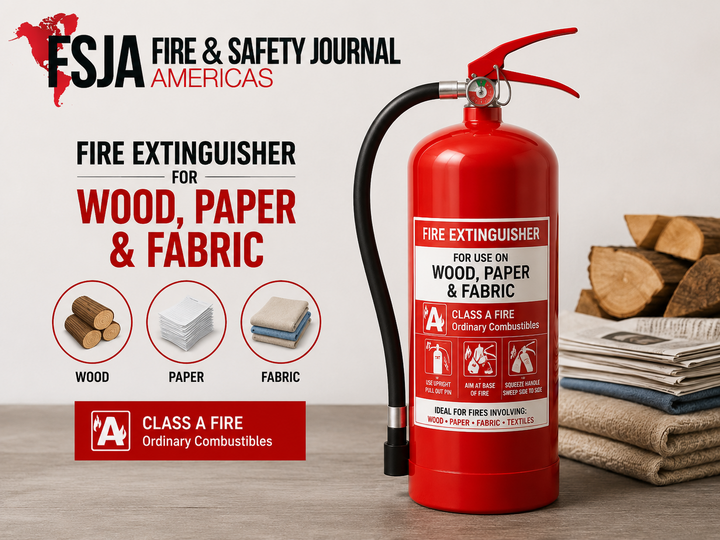
Fires involving everyday materials such as wood, paper, and fabric are among the most common fire emergencies in homes, offices, schools, and commercial buildings. A discarded cigarette, overloaded electrical outlet, unattended candle, or faulty heating equipment can quickly ignite these combustible materials and allow flames to spread within minutes. While prevention is always the first line of defense, having the correct fire extinguisher nearby can stop a small fire before it becomes a major emergency. However, not every extinguisher is suitable for every type of fire, and using the wrong one can make the situation worse. This guide explains the type of fire these materials create, how to choose the right extinguisher, where to place it, how to use it safely, common purchasing mistakes to avoid, and the maintenance practices that keep extinguishers ready when needed.
What Type of Fire Is a Wood, Paper, and Fabric Fire?
Wood, paper, fabric, cardboard, cloth, and many other everyday combustible materials are classified as Class A fires. These fires are the most frequently encountered because they involve materials commonly found in homes, offices, schools, warehouses, and retail spaces.
Class A fires usually begin when combustible materials come into contact with an ignition source such as an open flame, electrical fault, overheated equipment, or unattended cooking appliance. Once ignited, these materials burn steadily and produce glowing embers that can continue spreading even after visible flames appear to be under control.
Because these materials are highly combustible, early intervention is essential. A small wastebasket fire, burning curtain, or wooden furniture fire can rapidly spread to nearby objects if not extinguished quickly.
Understanding fire classifications is important because fire extinguishers are designed for specific hazards. Selecting equipment intended for Class A fires improves the chances of extinguishing flames safely while reducing damage to people and property.
Which Fire Extinguisher Should You Choose for Wood, Paper, and Fabric Fires?
Choosing the correct extinguisher starts with understanding which extinguishing agents work best on ordinary combustible materials and why proper classification matters.
Water Fire Extinguishers
Water extinguishers are specifically designed for Class A fires. They cool burning materials by lowering their temperature below the ignition point, making them highly effective for fires involving wood, paper, and textiles.
Multipurpose Dry Chemical Extinguishers
ABC dry chemical extinguishers provide greater versatility because they can tackle Class A, Class B, and Class C fires. They interrupt the combustion process while offering protection against multiple fire risks commonly found in workplaces.
Foam Fire Extinguishers
Foam extinguishers effectively cool burning solids while creating a protective layer over flammable liquids. They are suitable where both Class A combustible materials and certain liquid fire hazards may be present.
Choosing Based on Your Environment
The ideal extinguisher depends on where it will be used. Homes often benefit from multipurpose ABC units, while offices, warehouses, and schools should follow local fire regulations and conduct risk assessments before selecting extinguishers.
The fire extinguisher for wood, paper, and fabric should always carry a Class A rating or a multipurpose ABC classification to ensure it can safely control these common combustible material fires.
How to Choose the Right Fire Extinguisher
Selecting an extinguisher involves more than purchasing the first model available. Several practical considerations help ensure reliable protection when emergencies occur.
Consider the Fire Risks
Evaluate the materials present in the building before selecting extinguishers. Homes, offices, workshops, and warehouses often contain different hazards that require equipment capable of handling more than one fire classification.
Check the Fire Rating
Fire extinguishers display ratings that indicate the size and type of fire they can safely extinguish. Choosing higher-rated units provides greater firefighting capability for larger spaces and increased fire loads.
Choose the Appropriate Size
Smaller extinguishers are easier to handle but contain less extinguishing agent. Larger models provide longer discharge times but may be heavier for some users during an emergency.
Look for Certified Equipment
Purchase extinguishers certified by recognized testing organizations and ensure they comply with local fire safety regulations. Certified products undergo rigorous performance testing for reliability and effectiveness.
Where Should You Keep a Fire Extinguisher?
Proper placement ensures an extinguisher is immediately accessible before a small fire grows beyond control.
Near High-Risk Areas
Install extinguishers close to kitchens, workshops, storage rooms, and heating equipment where combustible materials are more likely to ignite while remaining a safe distance from potential fire sources.
Along Exit Routes
Position extinguishers near building exits so users always maintain a safe escape path while attempting to extinguish a small fire if conditions remain manageable.
Visible and Accessible Locations
Avoid placing extinguishers inside locked cabinets, behind furniture, or in cluttered storage areas. Clear visibility and unobstructed access reduce valuable response time during emergencies.
How to Use a Fire Extinguisher Correctly
Knowing how to operate a fire extinguisher confidently can prevent panic and improve the chances of controlling a fire safely.
Remember the PASS Method
The PASS technique stands for Pull the safety pin, Aim at the base of the fire, Squeeze the operating handle, and Sweep the nozzle from side to side until flames disappear.
Maintain a Safe Distance
Stand several feet away from the fire while operating the extinguisher. Move closer only if necessary and always maintain a clear escape route behind you.
Stop if the Fire Grows
If flames continue spreading or smoke rapidly increases, evacuate immediately and contact the fire department. Fire extinguishers are intended only for small, controllable fires.
Common Mistakes to Avoid When Choosing a Fire Extinguisher
Many purchasing decisions focus only on price, overlooking factors that directly affect fire safety.
Buying the Wrong Fire Class
Selecting an extinguisher without checking its fire classification may leave you unprepared during an emergency because different extinguishers are designed for different types of fires.
Ignoring Maintenance Requirements
Even high-quality extinguishers become unreliable if pressure drops, inspection schedules are missed, or damaged components remain unrepaired for long periods.
Purchasing Only One Extinguisher
Larger homes and commercial buildings often require multiple extinguishers placed strategically throughout the property to ensure quick access regardless of where a fire starts.
How to Maintain a Fire Extinguisher
Routine maintenance keeps extinguishers functional and ready for immediate use when needed.
Perform Monthly Visual Inspections
Check the pressure gauge, safety pin, hose, and exterior for signs of damage, corrosion, leakage, or obstruction that could affect performance during an emergency.
Schedule Professional Servicing
Certified technicians should inspect extinguishers according to local regulations and manufacturer recommendations to confirm they remain compliant and fully operational.
Replace When Necessary
Fire extinguishers have recommended service lives. Replace damaged, expired, or discharged units promptly to maintain continuous fire protection throughout your property.
Conclusion
Choosing the appropriate fire extinguisher significantly improves your ability to respond quickly to fires involving common combustible materials. Understanding fire classifications, selecting the correct extinguisher type, placing it in accessible locations, and learning proper operating techniques all contribute to a safer home or workplace. Regular inspections and professional maintenance further ensure your equipment performs when it matters most. Fire safety is an ongoing responsibility that combines the right equipment with proper planning and awareness. For more expert insights, industry updates, and practical fire protection guidance, Fire and Safety Journal Americas is an excellent resource for staying informed about the latest fire safety best practices.
Frequently Asked Questions
1. What type of fire extinguisher is best for wood, paper, and fabric fires?
Water extinguishers and multipurpose ABC dry chemical extinguishers are commonly recommended because they are suitable for Class A fires involving ordinary combustible materials.
2. Can I use a CO₂ fire extinguisher on wood or paper fires?
CO₂ extinguishers are generally intended for electrical and flammable liquid fires. They are not the preferred choice for Class A fires because they do not effectively cool burning materials.
3. How often should a fire extinguisher be inspected?
A visual inspection should be performed every month, while professional servicing should follow the manufacturer's recommendations and applicable local fire safety regulations.
4. Where is the best place to install a fire extinguisher?
Install extinguishers in visible, easily accessible locations near exits and high-risk areas such as kitchens, workshops, garages, and storage spaces, while ensuring they are not blocked by furniture or equipment.
5. When should a fire extinguisher be replaced?
Replace a fire extinguisher if it is damaged, has lost pressure, has been discharged, or has reached the end of its recommended service life according to the manufacturer.