Europe Tidal Energy: Key Factors Shaping the Next Growth Phase
Posted by Swapna Supekar
191 views
Why Europe Is Building Momentum in Tidal Stream Power
Europe’s renewable energy strategy increasingly depends on a broad mix of technologies. Tidal stream power introduces a different characteristic: predictable generation based on recurring ocean movements. This does not eliminate intermittency, yet it can make tidal electricity easier to forecast and potentially useful alongside variable renewable resources.
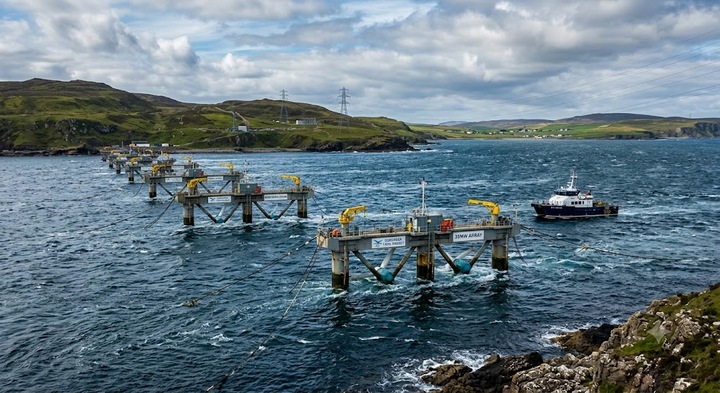
Tidal stream turbines operate beneath the water surface, where strong currents rotate blades connected to electrical generators. Projects may deploy several machines in an array, with spacing determined by current behavior, seabed conditions, navigation requirements, and environmental considerations. The approach requires specialized engineering, but it can also use knowledge developed through offshore wind, subsea construction, and marine infrastructure.
The Europe Tidal Energy Market Size opportunity will ultimately be determined by deployable resource, technology economics, project pipelines, and supportive infrastructure. Developers must secure suitable marine areas, environmental approvals, grid connections, financing, vessels, and reliable equipment.
One important market driver is Europe’s need for additional clean electricity. Electrification is increasing demand from electric vehicles, heat pumps, industrial processes, and digital infrastructure. As demand rises, power systems require new generation capacity as well as flexibility. Tidal energy could contribute to the generation side while its predictable production profile supports improved planning.
Technology maturity is gradually improving through demonstration and early commercial projects. Developers are learning how turbines perform in different current regimes, how components withstand harsh marine conditions, and how maintenance can be performed efficiently. Lessons from each project can inform future designs, potentially reducing technical and financial risk.
Operations and maintenance remain particularly important. Offshore equipment is expensive to access, and marine weather can restrict vessel availability. Remote monitoring, robust component design, modular replacement strategies, and predictive maintenance can reduce downtime. Improvements in these areas may have as much impact on project economics as gains in turbine efficiency.
Another driver is the development of specialized supply chains. European companies already possess capabilities in offshore engineering, subsea cables, fabrication, vessel operations, marine surveying, and electrical infrastructure. Tidal projects can create additional demand for these services while encouraging manufacturers to develop dedicated components. Regional clusters around ports may become important centers for assembly, testing, maintenance, and logistics.
Policy support can accelerate this process. Early-stage marine technologies often require mechanisms that recognize innovation value and reduce investment uncertainty. Competitive funding programs, long-term procurement frameworks, and clear marine planning can help projects reach financial close. Stable rules are particularly valuable because tidal developments typically require substantial preparation before construction.
Environmental performance will remain under close scrutiny. Developers must evaluate interactions with marine species, underwater noise, sediment transport, fisheries, navigation, and protected areas. Evidence-based monitoring can improve project design and demonstrate responsible operation. Engagement with coastal communities and maritime users is also essential for resolving competing demands on marine space.
Grid infrastructure can determine whether promising projects become viable. Tidal sites may be located near islands or remote coastal areas with limited network capacity. Early coordination with grid operators can identify connection constraints and potential upgrades. In some locations, integrating tidal power with offshore wind or storage could improve infrastructure utilization.
Commercial scale will require repetition rather than isolated successes. Standardized turbines, established installation procedures, experienced contractors, and reliable financing can help reduce project risk. Over time, greater deployment should generate more operational data, enabling better investment decisions.
Europe’s tidal stream sector therefore has a distinctive opportunity. It combines a predictable natural resource with an advanced offshore industrial base and growing demand for clean electricity. Continued innovation, responsible environmental management, coordinated infrastructure, and commercially focused deployment can determine whether tidal power evolves into a lasting component of Europe’s renewable energy system.