How a Digital Microscope Helps Bring Homeschool Science Lessons to Life
Posted by Home Science Tools
Filed in Business 257 views
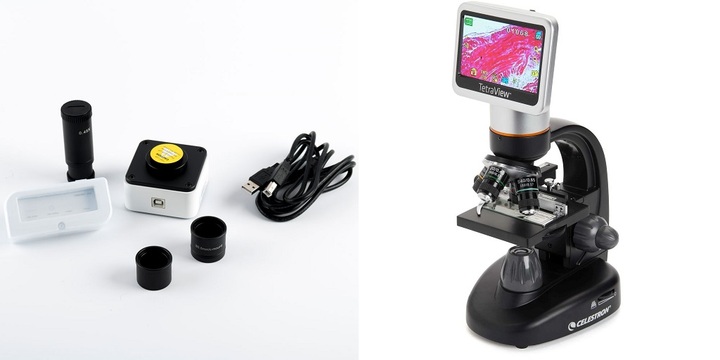
Science becomes more engaging when students can observe details that are invisible to the naked eye. A digital microscope allows homeschool learners to explore the microscopic world while developing observation, analysis, and documentation skills. With the ability to display images on a screen and capture photos or videos, this technology creates an interactive learning experience that supports curiosity and discovery.
Making Scientific Observation More Accessible
Traditional microscopes remain valuable educational tools, but digital microscopy introduces additional viewing options that can make learning more comfortable and collaborative. Since digital microscopes include built-in cameras, students can view specimens directly on a computer monitor instead of spending long periods looking through an eyepiece.
This larger display helps learners identify structures, compare samples, and discuss findings with family members or learning groups. It also makes it easier to adjust focus and locate areas of interest within a specimen.
For homeschool families, the ability to share a screen can turn individual observation into a group learning activity. Parents and students can examine the same specimen together while discussing what they see in real time.
Supporting Science Skills Through Documentation
Recording observations is an important part of science education. Digital microscopy makes this process easier by allowing students to capture still images and videos of their specimens.
Students can photograph plant cells, insect wings, fabric fibers, pond water organisms, or household materials and create their own science journals. Comparing images collected over several weeks can help learners understand growth patterns, environmental changes, or experimental results.
Many imaging programs include tools for counting cells, zooming, creating composite images, producing time-lapse recordings, and organizing reports. These features encourage students to analyze evidence and communicate findings using visual data.
Developing these habits strengthens scientific thinking while helping students build confidence in conducting independent investigations.
Introducing Microphotography at Home
Microphotography adds a creative dimension to science lessons. Capturing detailed images of microscopic subjects allows students to appreciate patterns, textures, and structures that are rarely noticed in everyday life.
Leaves reveal intricate vein networks. Salt crystals display geometric shapes. Feathers show remarkable arrangements that support flight. Even common objects become fascinating subjects when viewed under magnification.
With a digital microscope, students can save and edit images, creating projects that combine science, photography, and presentation skills. These activities encourage careful observation while making lessons memorable and enjoyable.
Flexible Technology for Homeschool Learning
Some families choose microscopes with integrated cameras, while others prefer attaching a digital camera to an existing microscope. Camera attachments connect through the eyepiece and provide many of the same imaging benefits without requiring new optical equipment.
Digital microscope cameras can capture high-resolution images and videos while supporting image sharing and analysis. Students can display discoveries on a computer, present findings to family members, or include images in research projects.
This flexibility helps homeschool educators select tools that align with their curriculum, learning goals, and budget.
Encouraging Collaboration and Discussion
Science learning becomes more interactive when observations can be shared instantly. Since digital images can be projected onto a larger screen, multiple people can view the same specimen simultaneously.
This feature encourages discussion, questioning, and collaborative analysis. Students can compare observations, identify structures together, and receive immediate guidance during lessons. The shared viewing experience also reduces frustration when learning microscope techniques for the first time.
As learners become more comfortable with microscopy, they gain confidence in conducting investigations and interpreting scientific evidence.
Finding Resources for Digital Microscopy
Digital microscopy gives homeschool students opportunities to explore science in a visual and engaging way. The ability to observe specimens, capture images, document findings, and share discoveries supports both scientific understanding and long-term interest in STEM subjects.
For families looking to expand their homeschool science resources, Home Science Tools offers digital microscopes, microscope cameras, and educational tools designed to help students investigate the microscopic world with confidence.
For more information about Science Kits and Microscope Slides Please visit: Home Science Tools.