Geology Kit Rocks: What Makes a Collection Worth Exploring?
Posted by Home Science Tools
Filed in Business 229 views
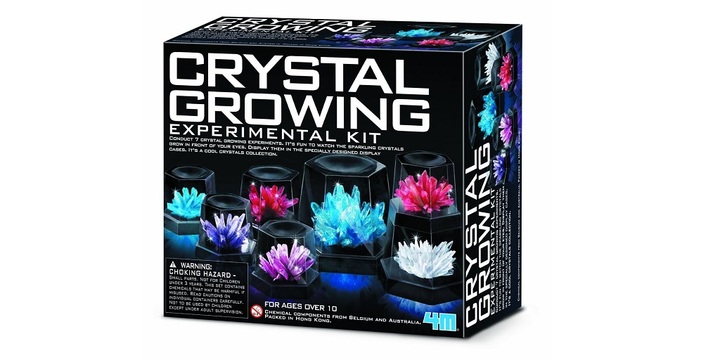
A thoughtfully selected Geology kit rocks collection can turn curiosity into meaningful discovery. Whether you are introducing a child to earth science or expanding your own interest in geology, the right collection encourages observation, experimentation, and critical thinking. Every specimen tells a story about natural processes that shaped the Earth over millions of years, making each learning session both engaging and memorable.
A Balanced Selection of Rock Types
A quality geology collection begins with variety. Including igneous, sedimentary, and metamorphic rocks helps learners understand how different geological conditions produce distinct rock types. Each type forms through distinct processes involving heat, pressure, cooling, or erosion.
Examining these specimens side by side makes it easier to recognize differences in texture, color, grain size, and structure. These comparisons provide practical examples of concepts commonly introduced in earth science lessons.
Minerals and Crystals Add Another Layer of Learning
Rocks are only part of the experience. Minerals and crystals introduce new characteristics to observe, including crystal shapes, hardness, luster, and streak color. These properties allow learners to practice identification techniques used by professional geologists.
Testing minerals with simple tools encourages careful observation instead of memorization. Activities such as checking magnetism, performing hardness tests, or examining streak color create opportunities to explore scientific methods through direct experience.
Hands-On Activities Make Learning Memorable
The best collections encourage active participation instead of passive observation. Splitting open a geode, identifying unknown specimens, or recording field notes creates excitement while reinforcing scientific skills.
Simple equipment can expand these experiences even further. A rock pick, safety goggles, hand lens, and identification guide help learners investigate samples with confidence. Recording observations in a notebook also builds valuable habits used during real scientific fieldwork.
Each activity develops attention to detail while making geology feel approachable and rewarding.
Learning the Rock Cycle Through Real Specimens
Physical samples make the rock cycle much easier to understand. Seeing examples of each rock type helps explain how heat, pressure, weathering, and erosion gradually transform Earth's materials.
Instead of relying only on diagrams, learners can compare actual textures and structures while discussing how each specimen formed. This direct connection between theory and observation creates a stronger understanding that lasts well beyond a single lesson.
Studying real examples also encourages questions about volcanoes, mountains, rivers, glaciers, and other natural forces that continually shape the planet.
A Collection That Grows With Experience
A strong Geology kit rocks collection remains useful as knowledge expands. Beginners may start by identifying basic specimens, while experienced learners can explore mineral classification, crystal systems, and geological history in greater detail.
Adding newly discovered rocks from family hikes or field trips transforms the collection into a personal record of exploration. Labeling specimens with locations, dates, and observations creates a valuable reference while encouraging organized scientific thinking.
Each new addition provides another opportunity to compare characteristics and recognize patterns found in nature.
Choosing a Collection That Inspires Exploration
An effective geology collection encourages curiosity every time it is opened. Variety, accurate identification, durable specimens, and opportunities for hands-on investigation create an experience that supports lasting interest in earth science. Whether the goal is classroom learning, homeschooling, or family exploration, carefully selected rocks and minerals provide countless opportunities to observe, ask questions, and discover how our planet has changed over time.
If you are ready to explore Earth science with high-quality specimens and engaging educational resources, Home Science Tools offers geology collections designed to support hands-on learning for learners of all ages.
For more information about Telescope For Kids and Homeschool Biology Curriculum Please visit: Home Science Tools.