Microscopes For Kids: Inspiring Hands-On Science at Home
Posted by Home Science Tools
Filed in Business 223 views
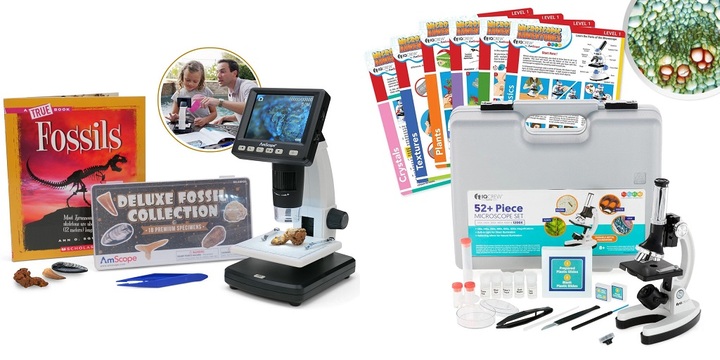
Microscopes for kids introduce young learners to a world that cannot be seen with the naked eye. A simple leaf, a feather, or a drop of water can reveal surprising patterns and structures that spark curiosity. As children investigate tiny details, they practice observation, ask thoughtful questions, and develop confidence through hands-on exploration. Science becomes an active experience that encourages discovery with every new specimen.
Choosing the Right Microscope
The best microscope depends on a child's age, interests, and learning goals. Each style supports different activities and encourages new ways to investigate the natural world.
- Pocket microscopes are compact and easy to carry. They are ideal for nature walks, backyard adventures, or field trips. Children can inspect leaves, rocks, bark, flowers, and insects wherever they explore.
- Digital microscopes display images on a computer or tablet screen. Larger images make group activities easier and allow children to save photos for science notebooks or classroom presentations.
- Stereo microscopes provide a three-dimensional view of larger objects. Feathers, coins, flowers, shells, and insects appear with impressive depth, making these models suitable for beginners.
- Compound microscopes offer higher magnification for studying plant cells, microorganisms, and other tiny specimens. Older children and middle school students frequently enjoy these microscopes during biology activities.
Accessories That Expand Learning
The right accessories make microscope activities more engaging while helping children handle specimens safely.
Useful supplies include:
- Prepared slide collections
- Blank slides and cover slips
- Tweezers
- Droppers
- Petri dishes
- Specimen containers
- Storage cases
Prepared slides provide an easy starting point with samples such as plant tissues and insect parts. Blank slides encourage children to collect their own materials from the garden, kitchen, or backyard and create original observations.
Caring for a Microscope
Good care keeps scientific equipment in excellent condition while teaching responsibility.
Clean lenses with lens paper designed for optical surfaces. Rough cloths or paper towels may leave scratches that reduce image quality.
Store the microscope in a dry location away from direct sunlight. A protective case helps prevent dust buildup and accidental damage.
Children should carry the microscope with both hands and place slides gently on the stage. These simple habits help preserve delicate components and reduce unnecessary wear.
If the microscope uses LED lighting, switching it off after each activity helps extend battery life and maintain consistent brightness.
Fun Experiments to Try
Everyday materials create memorable science activities without requiring expensive supplies.
A thin piece of onion skin reveals neatly arranged plant cells under higher magnification. Leaves also display interesting veins and surface textures.
Comparing fabric samples introduces children to different fiber structures. Cotton, denim, wool, and polyester each reveal unique weaving patterns and textures.
Pond water offers another exciting investigation. Tiny moving organisms encourage questions about aquatic habitats and microscopic life. Children should always wash their hands after handling outdoor samples.
Stereo microscopes also work well for examining insects. Butterfly wings, beetle shells, and ant legs reveal remarkable details that inspire interest in biology.
Crystal-growing projects add another layer of exploration. Once crystals form, children can examine their shapes, edges, and reflective surfaces under magnification.
Building Valuable STEM Skills
Hands-on investigations strengthen practical skills that support future science learning. Recording observations, comparing specimens, and identifying patterns encourage careful thinking and attention to detail.
These activities help children develop:
- Scientific observation
- Critical thinking
- Fine motor coordination
- Organization
- Patience
- Careful note-taking
Keeping a science journal encourages children to sketch discoveries, describe observations, and write questions for future experiments. Over time, these records become a meaningful collection of personal scientific discoveries.
Creating a Science Routine at Home
Regular exploration keeps curiosity active. A weekly microscope session gives children fresh opportunities to investigate familiar objects from new perspectives.
Interesting specimens include flower petals, feathers, garden plants, rocks, household fabrics, and seeds. Even a short activity can lead to new questions and encourage children to continue exploring independently.
As experience grows, children become more comfortable preparing slides, adjusting focus, and documenting results. These small achievements build confidence while making science enjoyable and approachable.
Discover More Hands-On Science
A microscope opens the door to meaningful exploration, helping children develop observation skills while discovering the hidden details of the natural world. Whether examining plants, insects, crystals, or everyday materials, each activity creates new opportunities for learning.
For families, homeschool educators, and classrooms looking to encourage scientific curiosity, Home Science Tools offers beginner-friendly microscopes, prepared slides, and hands-on science kits designed to support every stage of STEM learning. Explore the collection to find resources that make every discovery even more exciting.
For more information about Crystal Growing Kit and Microscope Slides Please visit: Home Science Tools.