Hokusai Prints: Why It Continues to Shape Modern Design
Posted by Museum of Fine Arts Boston
204 views
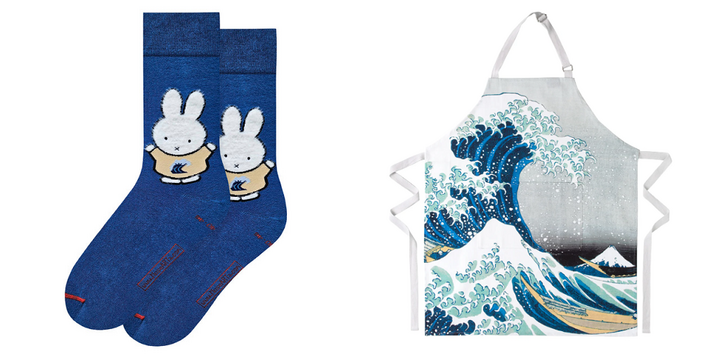
If you love Japanese art, you know and recognize Hokusai prints. His works remain some of the most recognizable works in Japanese art, admired not only for their beauty but also for their lasting influence on modern design. Created during Japan's Edo period as part of the Ukiyo-e tradition, these woodblock prints captured landscapes, everyday life, and the changing seasons with remarkable clarity.
While they were originally intended for a broad audience rather than an elite few, their visual language eventually reached artists and designers around the world, helping redefine how people thought about composition, color, and simplicity.
A Contemporary Approach from the Late Medieval Japan
One reason Hokusai's work feels so contemporary is its balance between detail and restraint. Instead of filling every inch of the image with decoration, he allowed negative space to become part of the composition. This approach naturally guides the viewer's eye while creating a sense of calm that modern minimalist design continues to embrace. The clean outlines, carefully chosen colors, and thoughtful arrangement of each element prove that a powerful image doesn't need to be visually crowded to leave a lasting impression.
His famous series, particularly those centered on Mount Fuji, also introduced a fresh way of viewing nature. Hokusai presented it as an active participant in the story, even if it was in the background. Waves crash dramatically, clouds drift across the sky, and tiny human figures remind viewers of their place within the natural world. This balance between movement and stillness has inspired generations of painters, photographers, architects, and graphic designers looking to create images that feel both dynamic and harmonious.
Hokusai Prints and Impressionism
When Japanese prints reached Europe during the nineteenth century, they had a profound impact on Western art. Artists such as Claude Monet, Vincent van Gogh, and Edgar Degas admired the bold outlines, unusual viewpoints, and flat areas of color that differed dramatically from traditional European painting. Instead of relying on strict perspective and heavy shading, Ukiyo-e artists demonstrated that strong composition and carefully controlled color could communicate depth, emotion, and atmosphere with remarkable efficiency. These ideas became building blocks for many modern art movements.
That same influence extends into today's design world. Minimalist interiors often rely on clean lines, balanced proportions, and carefully selected decorative pieces rather than filling a room with ornament. Hokusai's work complements this philosophy naturally. A single framed print can become the focal point of a room without overwhelming the surrounding space. Its timeless color palette also pairs well with wood, stone, neutral fabrics, and other materials commonly found in contemporary homes.
Appealing to the Modern Use of Space
Also, Hokusai's artwork carries a sense of meaning that many homeowners appreciate. His imagery appears not only as framed wall art but also on textiles, ceramics, stationery, books, puzzles, and fashion accessories. His designs transition from traditional interiors to modern apartments, Scandinavian-inspired homes, and contemporary office spaces. Few artists possess a visual style that feels equally at home in such a wide variety of settings.
Perhaps most importantly, Hokusai continues to inspire because his work rewards repeated viewing. At first glance, viewers may notice the dramatic composition or bold use of color. Looking closer reveals subtle details, thoughtful symbolism, and an extraordinary understanding of balance. That depth encourages artists, designers, and collectors to return to his work again and again, finding something new with each viewing.
More than two centuries after they were first created, Hokusai prints remain a perfect example of how timeless design transcends changing trends. Their simplicity, craftsmanship, and emotional power continue to influence modern art, interior design, and visual storytelling, proving that truly great design never goes out of style.
For more information about Art Note Cards and Museum Store Please visit: Museum of Fine Arts – Boston.