What Are the Benefits of Taking Beet Root Powder?
Posted by Clara Christopher
156 views
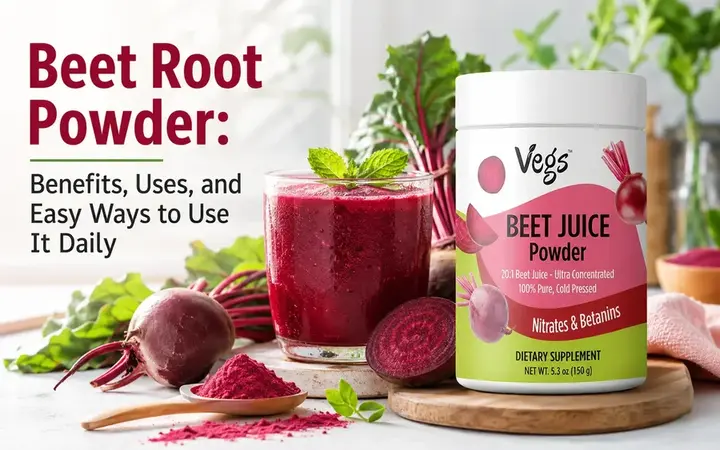
Beetroot has moved far beyond being simply a colorful root vegetable. Today, beet root powder is widely used in smoothies, wellness drinks, supplement formulas, and sports nutrition products because it provides a convenient way to consume concentrated beet-derived nutrients without preparing fresh beets every day.
Beet root naturally contains dietary nitrates, betalain pigments, polyphenols, and other plant compounds. Of these, dietary nitrates have attracted particular attention because the body can convert them into nitric oxide, a signaling molecule involved in normal blood vessel function and circulation. This has made beet root powder especially popular among active adults and people interested in plant-based nutrition.
However, not every beet powder has the same concentration or nutrient profile. Processing method, serving size, nitrate content, storage, and whether the product uses whole beet root or juice concentrate can all influence the finished supplement.
What Is Beet Root Powder?
Beet root powder is generally made by drying beetroot and grinding it into a fine powder. Some products begin with whole beetroot, while others are produced from beet juice that has been concentrated and dried.
Removing much of the water from fresh beetroot creates a more shelf-stable ingredient that is easier to transport, measure, and mix into foods or drinks. Whole-root powders may retain different amounts of fiber and plant solids compared with juice-based powders.
The term beet root powder does not automatically tell consumers how much nitrate, fiber, or other nutrients a product contains. Two powders can look similar while having significantly different formulations.
For that reason, the ingredient list, serving size, processing method, and any disclosed nitrate information are more useful than judging a product by color or scoop size alone.
What Are the Main Benefits of Beet Root Powder?
One of the main potential benefits of beet root powder relates to its naturally occurring dietary nitrates. After consumption, nitrate can be converted into nitrite and later into nitric oxide through processes that involve oral bacteria and normal body chemistry.
Nitric oxide contributes to blood vessel relaxation and normal blood-flow regulation. This physiological pathway is one reason beetroot products have been studied for exercise performance and cardiovascular-related nutrition.
Beet root also naturally contains betalains, the red-purple pigments responsible for its intense color. These compounds are associated with antioxidant activity and contribute to the broader plant-based nutritional profile of beetroot.
From a practical perspective, powder also offers convenience. Fresh beets require washing, peeling, cooking, juicing, or refrigeration, while beet root powder can usually be mixed into a beverage or food within seconds.
Can Beet Root Powder Support Exercise Performance?
Beetroot has become popular in sports nutrition because dietary nitrate may influence exercise efficiency.
During certain types of activity, nitric oxide availability may contribute to blood-flow regulation and how efficiently the body uses oxygen. Research involving nitrate-rich beetroot products has found potential benefits in some endurance and submaximal exercise settings, although results are not consistent for every athlete, activity, or supplement.
This means beet root powder should not be viewed as an instant performance booster. It also works differently from caffeine-based pre-workout products because beetroot does not primarily rely on stimulant effects.
The actual usefulness of a beet powder for exercise depends heavily on nitrate concentration. A bright red powder does not necessarily contain the amount of nitrate used in published exercise studies.
Does Beet Root Powder Provide Antioxidants?
Beetroot contains naturally occurring plant compounds including betalains and polyphenols. These compounds have antioxidant properties, meaning they can participate in the body's defenses against oxidative processes.
Betalains are particularly notable because they give beetroot its characteristic red and purple appearance. Drying and processing can affect how much of these compounds remain in a finished powder.
This is another reason product quality matters. Heat exposure, storage duration, light, oxygen, and manufacturing methods may influence the final nutritional profile.
Consumers should therefore think of beet root powder as a plant-based ingredient rather than assuming that every powder offers an identical concentration of antioxidants.
How Can Beet Root Powder Fit Into Everyday Nutrition?
Beet root powder is versatile because it can be incorporated into both foods and beverages. Many people blend it with smoothies, water, yogurt, oatmeal, fruit drinks, or protein shakes.
Its naturally earthy and mildly sweet flavor can pair well with berries, citrus fruits, bananas, ginger, and other strongly flavored ingredients.
Because powdered beetroot is concentrated by removing water, serving sizes are usually much smaller than the amount of fresh beetroot someone might eat as part of a meal.
The powder can complement a balanced diet, but it should not replace vegetables. Whole vegetables provide water, fiber, texture, and dietary variety that a concentrated powder cannot fully reproduce.
Beet Root Powder vs Fresh Beetroot: What Is the Difference?
Fresh beetroot and beet root powder originate from the same plant, but processing changes how they are consumed.
Fresh beets naturally provide water and a whole-food structure. Whole-root powder removes much of that water while retaining a portion of the beet solids, making it easier to store and use.
The powder is especially useful for consumers who want beetroot regularly but do not enjoy cooking or juicing fresh beets.
However, the nutrient content of powder can vary more significantly between brands. Some products are made from whole beetroot, some from juice, and others may include carriers or additional ingredients.
Neither form is automatically superior. Fresh beetroot works well as part of a whole-food diet, while powder prioritizes convenience and concentrated use.
Why Is Beet Root Powder Popular in Private Label Supplements?
Beet root powder has become a useful ingredient for businesses developing private label supplements because it can be incorporated into several product categories, including superfood powders, sports nutrition formulas, capsules, and wellness blends.
Companies offering white label supplements may include ready-made beetroot formulas that brands can market under their own labels. Businesses developing private label vitamins and botanical products may also combine beetroot with other plant-based ingredients depending on the intended formulation.
In capsules manufacturing, beetroot powder or extracts can be delivered in measured capsule servings for consumers who prefer to avoid the taste of loose powder.
Powder manufacturing provides greater flexibility for drink mixes, superfood blends, and pre-workout products because beetroot can be combined with other powdered ingredients.
Beetroot may also appear alongside products developed through gummies manufacturing, although formulation challenges such as flavor, moisture, stability, and serving concentration need to be considered.
Other manufacturing services such as Oil manufacturing, Tea bag manufacturing, and Cosmetic Manufacturing belong to the broader private label wellness industry, but they are different product categories and are not typical delivery formats for beet root powder itself.
For supplement brands, the most important consideration is selecting a manufacturing method that matches the ingredient, serving requirements, product stability, and target consumer.
What Should You Look for When Choosing Beet Root Powder?
The quality of beet root powder cannot be determined by packaging alone. Consumers should first check whether the product contains whole beetroot powder, beet juice powder, or a concentrated extract.
For people specifically interested in nitric oxide support, disclosed nitrate concentration can be particularly useful because total beetroot milligrams do not always indicate nitrate content.
It is also worth checking for added sweeteners, flavors, fillers, or carriers. Some juice powders require processing aids to create a stable dry powder, while whole-root products may have a simpler ingredient list.
Manufacturing transparency and credible quality testing can also provide useful information about product identity and consistency.
Are There Any Considerations Before Taking Beet Root Powder?
Beet root powder can cause red or pink discoloration of urine or stool in some people. This is commonly associated with beet pigments and is often harmless, although unexplained discoloration should not automatically be assumed to come from beetroot.
Because beetroot naturally contains oxalates, people who have been advised to manage dietary oxalate intake should consider professional guidance before using concentrated beet products regularly.
People taking medications, particularly those affecting blood pressure or circulation, should also discuss concentrated supplements with an appropriate healthcare professional.
Pregnant or breastfeeding individuals and people managing ongoing medical conditions should seek individualized advice rather than relying on general supplement recommendations.
Conclusion
Beet root powder offers a convenient way to add beet-derived plant compounds to an everyday diet. Its naturally occurring dietary nitrates are particularly notable because they can contribute to nitric oxide production, which participates in normal blood-flow regulation and has been studied in relation to exercise efficiency.
Beetroot also provides betalains, polyphenols, and other plant compounds that contribute to its nutritional profile. Powdered forms make beetroot easier to mix into smoothies, beverages, and wellness formulas without the preparation required for fresh beets.
At the same time, product quality can vary considerably. Whole-root powder, juice powder, and concentrated extracts may provide different amounts of fiber, nitrate, and other compounds.
For consumers, the most useful approach is to choose a clearly labeled product, understand the serving information, and use beet root powder as a complement to a varied diet rather than as a replacement for whole vegetables. For brands, beetroot also provides a versatile ingredient for private label supplement and powder manufacturing applications when formulation, quality, and intended use are carefully considered.