How Staircase Fabrication Drawings Improve Construction Precision
Posted by Drawstick LLC
Filed in Business 281 views
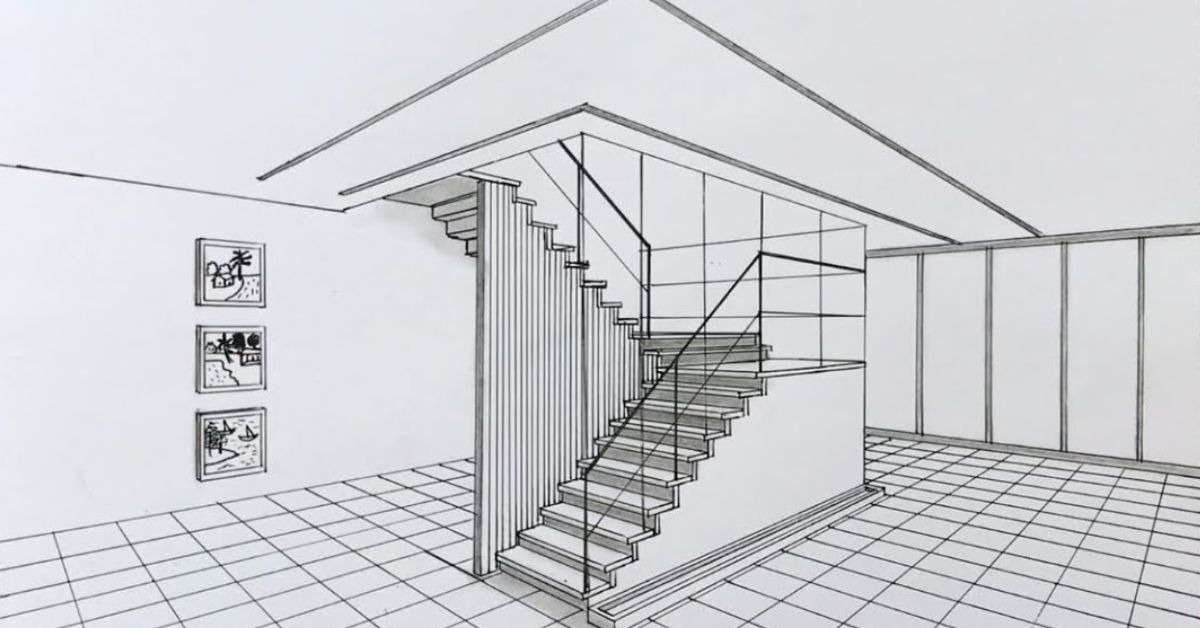
Discover how staircase fabrication drawings improve construction accuracy, reduce steel fabrication errors, support project coordination, and help contractors complete projects more efficiently.
Modern construction projects require careful planning and exact execution. Whether contractors are building residential homes, office towers, shopping malls, or industrial facilities, accuracy plays a major role in project success. Even a small fabrication mistake can lead to delays, material waste, increased labor costs, and installation problems. Because of this, many construction professionals now rely heavily on staircase fabrication drawings.
These detailed technical drawings help fabricators, engineers, architects, and installers understand every aspect of staircase manufacturing before production begins. From measurements and steel connections to handrails and landing details, accurate drawings ensure every staircase component fits perfectly during installation.
As construction projects become more advanced, professional staircase detailing continues to improve project efficiency and reduce costly errors.
What Are Staircase Fabrication Drawings?
Staircase fabrication drawings are technical documents used to manufacture and install staircases accurately. These drawings provide detailed information about every staircase component, including:
-
Stair dimensions
-
Stringer layouts
-
Tread and riser spacing
-
Handrail positioning
-
Welding details
-
Steel plate connections
-
Landing measurements
-
Material specifications
In simple terms, these drawings act as a complete guide for fabrication teams and installers. Without proper detailing, contractors may face alignment issues, incorrect measurements, or structural complications during installation.
Today, many fabrication companies use advanced software such as AutoCAD and BIM modeling systems to create highly accurate staircase detailing plans.
Why Precision Is Essential in Staircase Construction
A staircase is more than just an architectural feature. It is an important structural and safety component within a building. If staircase dimensions are even slightly incorrect, installation becomes difficult and safety standards may be compromised.
For instance, a steel contractor working on a commercial project once fabricated a staircase using incomplete measurements. When the staircase arrived on-site, the landing elevations did not align properly with the building structure. The contractor had to modify several steel sections, which caused delays and increased labor costs.
Situations like this demonstrate why accurate steel staircase fabrication drawings are extremely important from the beginning of a project.
How Steel Staircase Fabrication Drawings Improve Accuracy
1. Accurate Dimensions for Every Component
One of the biggest advantages of detailed fabrication drawings is precise measurement control. Every staircase component is documented clearly before fabrication starts.
This includes:
-
Rise and run calculations
-
Tread spacing
-
Landing elevations
-
Stringer sizes
-
Handrail heights
-
Steel plate dimensions
Because all measurements are verified in advance, fabricators can cut and assemble materials with greater confidence and precision.
2. Better Coordination Between Construction Teams
Modern construction projects involve multiple professionals working together. Architects, structural engineers, fabricators, estimators, and installers must all follow the same design information.
Detailed staircase fabrication drawings improve communication because everyone works from identical technical documentation. This reduces misunderstandings and minimizes fabrication mistakes.
As a result, installation becomes faster and project coordination improves significantly.
3. Reduced Material Waste
Material waste can quickly increase project expenses, especially in large commercial and industrial developments. Incorrect steel cutting or inaccurate fabrication often leads to expensive rework.
Professional steel staircase fabrication drawings help contractors calculate exact steel quantities before fabrication begins. This improves material planning and reduces unnecessary waste.
For contractors managing large-scale steel projects, accurate detailing can create major cost savings over time.
Importance of Drawings in Commercial Construction
In commercial construction projects, accurate detailing supports overall budgeting and scheduling. Contractors working alongside commercial sitework estimating nyc services often depend on detailed staircase drawings to maintain financial accuracy.
When staircase details are clearly documented, estimators can calculate:
-
Steel quantities
-
Fabrication costs
-
Labor hours
-
Installation timelines
-
Equipment requirements
This helps construction teams maintain better control over budgets and project deadlines.
Supporting Industrial Construction Estimation
Detailed fabrication drawings also improve budgeting during industrial construction cost estimation nyc projects.
Industrial facilities usually contain multiple access stairways, platforms, mezzanines, and structural steel systems. Even small measurement errors can affect several parts of the project.
With accurate staircase drawings:
-
Estimators prepare more reliable cost reports
-
Fabrication schedules become more organized
-
Change orders are reduced
-
Labor planning becomes easier
-
Project overruns decrease
This level of planning helps industrial contractors improve overall project performance.
Coordination Between Staircases and Concrete Structures
Many steel staircases connect directly to concrete foundations, slabs, or elevated platforms. Because of this, coordination between staircase detailing and concrete estimating new york city services is extremely important.
For example:
-
Anchor bolt locations must align properly
-
Embedded plates need exact positioning
-
Landing elevations must match concrete surfaces
If concrete and staircase drawings do not coordinate correctly, installation problems can occur during construction.
Proper detailing helps eliminate these issues before fabrication starts.
Steps Involved in Creating Accurate Staircase Drawings
Step 1: Reviewing Architectural Plans
The detailing process starts with reviewing architectural and structural drawings carefully. Designers confirm staircase locations, dimensions, and floor heights.
Step 2: Verifying Site Measurements
Accurate dimensions are collected, including landing sizes, tread widths, stair angles, and elevation levels.
Step 3: Material Selection
Engineers determine appropriate steel sections, plate thicknesses, and welding methods based on structural requirements.
Step 4: Preparing Fabrication Drawings
Using professional software such as Tekla Structures or AutoCAD, detailers prepare complete fabrication drawings with assembly instructions.
Step 5: Approval and Coordination
Project managers and engineers review the drawings carefully to ensure all details meet safety codes and design standards.
Step 6: Fabrication and Installation
Once approved, fabrication begins according to the finalized drawings. Installers then use the same drawings during site assembly.
This organized process helps reduce costly mistakes throughout construction.
How Technology Improves Staircase Detailing
Digital technology has transformed modern staircase fabrication. Today, many contractors use 3D modeling and BIM coordination systems to improve precision.
With advanced modeling tools, contractors can identify clashes before fabrication begins. This helps avoid conflicts with:
-
Structural beams
-
HVAC systems
-
Electrical layouts
-
Plumbing lines
-
Wall framing
3D visualization also allows clients and contractors to review staircase designs before production starts.
As a result, rework decreases and project coordination improves significantly.
Why Contractors Choose Professional Detailing Services
Many construction companies now outsource detailing work to professional staircase drafting specialists.
Experienced detailers understand:
-
Structural requirements
-
Welding standards
-
Building codes
-
Fabrication procedures
-
Installation methods
Professional detailing services offer several important advantages:
-
Improved fabrication precision
-
Faster installation
-
Better project coordination
-
Reduced material waste
-
Lower risk of fabrication errors
These benefits help contractors complete projects more efficiently while improving overall construction quality.
Real Construction Example
A contractor managing a multi-story office building previously struggled with repeated staircase installation problems because of incomplete detailing. Several fabricated steel sections required modifications after arriving on-site.
Later, the contractor hired a professional detailing company to create accurate staircase fabrication drawings using BIM software.
The improvements were noticeable:
-
Installation time improved
-
Fabrication mistakes decreased
-
Labor productivity increased
-
Material waste was reduced
-
Project delays became minimal
This example highlights the value of professional staircase detailing in modern construction projects.
How Accurate Drawings Improve Client Confidence
Clients expect construction projects to remain on schedule and within budget. Accurate fabrication drawings help contractors achieve both goals.
When contractors present professional steel staircase fabrication drawings, clients gain greater confidence in the quality of planning and project execution.
Detailed documentation also helps reduce disputes because every fabrication and installation detail is clearly defined before work begins.
For construction companies, this improves reputation and increases opportunities for repeat business.
Why Drawstick Is Trusted by Contractors
Many contractors rely on Drawstick for dependable staircase detailing solutions.
Drawstick focuses on precision, professional drafting standards, and efficient project coordination. Their detailing services help fabricators and installers reduce costly mistakes while improving construction efficiency.
Whether the project involves commercial buildings, industrial facilities, or custom steel stair systems, professional staircase drawings help contractors complete projects successfully.
Conclusion
In today’s construction industry, precision is essential for successful project delivery. Professional staircase fabrication drawings help contractors, engineers, fabricators, and installers improve coordination while reducing fabrication errors.
From material estimation and fabrication planning to installation accuracy and project scheduling, these drawings support every stage of construction. Additionally, accurate steel staircase fabrication drawings reduce waste, improve budgeting, enhance communication, and increase customer satisfaction.
When combined with services like commercial sitework estimating nyc, industrial construction cost estimation nyc, and concrete estimating new york city, professional staircase detailing creates a stronger foundation for successful construction projects.
For contractors looking to improve efficiency, reduce rework, and increase profitability, investing in accurate staircase fabrication drawings is a smart long-term decision.
FAQs
1. What are staircase fabrication drawings?
They are detailed technical drawings used to manufacture and install staircases accurately, including dimensions, material details, welds, and assembly instructions.
2. Why are steel staircase fabrication drawings important?
They help reduce fabrication errors, improve installation accuracy, minimize material waste, and support better project coordination.
3. How do staircase drawings help with cost estimation?
Detailed drawings allow estimators to calculate steel quantities, labor costs, fabrication timelines, and installation expenses more accurately.
4. Can professional staircase drawings reduce construction delays?
Yes. Accurate drawings improve communication between teams, reduce rework, and prevent installation problems that often cause project delays.