How Fine Bubble Diffusers Improve Aeration Efficiency and Save Energy
Posted by Goldie Smith
Filed in Music 237 views
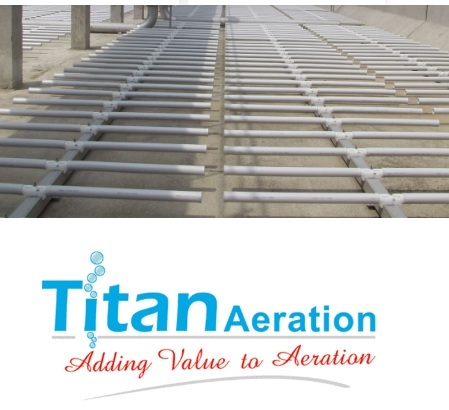
We recognize that fine bubble diffusers have transformed modern aeration systems by delivering superior oxygen transfer efficiency while minimizing energy consumption. These advanced devices are engineered to release microscopic air bubbles into liquids, significantly increasing the surface area for oxygen exchange. This precise mechanism ensures that wastewater treatment plants, aquaculture systems, and industrial processes operate with maximum efficiency and reduced operational costs.
Fine bubble diffusers are commonly constructed from ceramic, membrane, or plastic materials, each designed to produce bubbles typically smaller than 2 mm in diameter. The smaller the bubble, the longer it remains suspended in the liquid, enhancing oxygen dissolution and reducing wasted air.
Understanding Aeration Efficiency in Depth
Aeration efficiency refers to the rate at which oxygen is transferred from air into water. We focus on maximizing this transfer because oxygen is essential for biological processes, especially in wastewater treatment.
Fine bubble diffusers excel due to:
- Higher Oxygen Transfer Rate (OTR)
- Improved Oxygen Transfer Efficiency (OTE)
- Extended bubble retention time
Unlike coarse bubble systems, which release large bubbles that quickly rise and escape, fine bubble diffusers ensure maximum oxygen absorption before reaching the surface.
What Fine Bubble Diffusers Work?
We utilize fine bubble diffusers to break compressed air into thousands of tiny bubbles. These bubbles are distributed evenly across the tank floor, creating a uniform oxygen distribution pattern.
Key Functional Mechanisms:
- Air compression and distribution through piping systems
- Membrane perforation producing microbubbles
- Even dispersion across the aeration tank
- Slow upward movement allowing higher oxygen absorption
This method ensures that oxygen is efficiently utilized, reducing the need for excessive airflow and lowering energy requirements.
Energy Savings Through Advanced Aeration
One of the most significant advantages we achieve with fine bubble diffusers is substantial energy savings. Aeration typically accounts for 50–70% of total energy consumption in wastewater treatment facilities.
Energy Reduction Factors:
- Lower airflow requirements due to high efficiency
- Reduced blower operation time
- Minimal air wastage
- Optimized oxygen transfer per unit of energy
By implementing fine bubble diffuser systems, we reduce power consumption dramatically, leading to long-term operational savings.
Enhanced Oxygen Transfer Efficiency (OTE)
Fine bubble diffusers are specifically designed to maximize oxygen transfer efficiency, often reaching levels of 6–7% per meter of submergence, significantly higher than traditional systems.
Why OTE Matters:
- Improves biological treatment performance
- Supports higher biomass activity
- Reduces treatment time
- Ensures consistent process stability
We rely on this improved efficiency to maintain optimal dissolved oxygen levels, which are crucial for effective treatment processes.
Uniform Air Distribution and Mixing
We achieve superior results with fine bubble diffusers because they provide uniform air distribution across the entire tank. This eliminates dead zones and ensures that all microorganisms receive sufficient oxygen.
Benefits of Uniform Mixing:
- Prevents sludge settling
- Enhances microbial activity
- Improves overall system performance
- Reduces maintenance frequency
The consistent mixing pattern ensures that every part of the tank contributes to the treatment process, increasing overall efficiency.
Durability and Low Maintenance Design
Modern fine bubble diffusers are engineered for long-lasting performance and minimal maintenance. We use high-quality materials that resist fouling, corrosion, and wear.
Key Durability Features:
- Clog-resistant membranes
- Chemical-resistant construction
- Flexible materials to prevent cracking
- Self-cleaning capabilities in advanced models
These features ensure that systems remain efficient over extended periods, reducing downtime and maintenance costs.
Applications Across Industries
We deploy fine bubble diffusers in a wide range of industries due to their versatility and efficiency.
Primary Applications:
- Wastewater treatment plants
- Aquaculture systems
- Industrial effluent treatment
- Food and beverage processing
- Chemical manufacturing
Each application benefits from enhanced oxygen transfer and reduced energy consumption, making fine bubble diffusers a preferred solution.
Comparison with Coarse Bubble Diffusers
When comparing fine bubble diffusers to traditional coarse bubble systems, the advantages become immediately clear.
Fine Bubble Diffusers:
- Higher oxygen transfer efficiency
- Lower energy consumption
- Better mixing and distribution
- Reduced operational costs
Coarse Bubble Diffusers:
- Lower efficiency
- Higher energy usage
- Limited oxygen transfer
- Increased air loss
We consistently observe that fine bubble systems outperform coarse bubble systems in both efficiency and cost-effectiveness.
Environmental Impact and Sustainability
We prioritize sustainability, and fine bubble diffusers contribute significantly to environmentally responsible operations.
Sustainability Benefits:
- Reduced carbon footprint due to lower energy use
- Efficient resource utilization
- Improved water quality
- Support for eco-friendly treatment processes
By integrating these systems, we align with global environmental standards while maintaining operational excellence.
Cost Efficiency and Return on Investment
Although the initial investment in fine bubble diffusers may be higher, we achieve a rapid return on investment (ROI) through energy savings and improved efficiency.
Financial Advantages:
- Lower electricity bills
- Reduced maintenance costs
- Extended equipment lifespan
- Improved process efficiency
Over time, these benefits translate into significant cost reductions, making fine bubble diffusers a financially sound choice.
Future Innovations in Aeration Technology
We continue to see advancements in fine bubble diffuser technology, including:
- Smart monitoring systems
- Automated airflow control
- Advanced membrane materials
- Real-time performance optimization
These innovations further enhance efficiency, reliability, and energy savings, ensuring that fine bubble diffusers remain at the forefront of aeration technology.
Conclusion: Maximizing Efficiency with Fine Bubble Diffusers
We leverage fine bubble diffusers to achieve unmatched aeration efficiency and energy savings. Their ability to deliver high oxygen transfer rates, uniform air distribution, and reduced energy consumption makes them an essential component in modern treatment systems.
By adopting this advanced technology, we ensure optimized performance, lower operational costs, and sustainable environmental impact, positioning our systems for long-term success.
Get the best performance from your aeration system by choosing advanced fine bubble diffuser technology today.