Future Innovations in Lithium Battery Technology
Posted by Lithium Rhino
Filed in Business 302 views
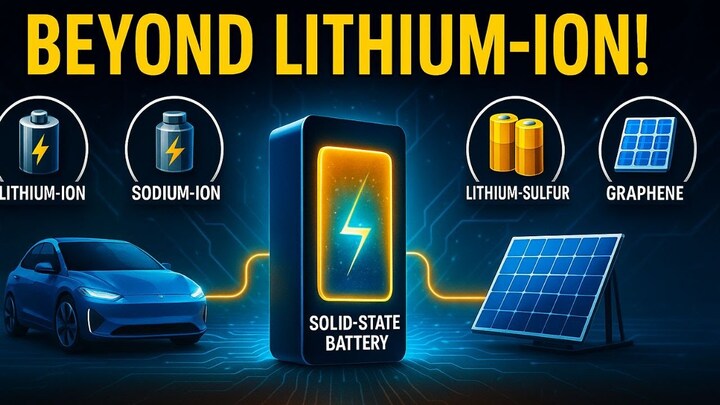
Lithium battery technology has already transformed the way we power our devices, vehicles, and renewable energy systems. From smartphones to electric vehicles, lithium-ion batteries have become the backbone of modern energy storage. However, the journey doesn’t stop here. Scientists and engineers are continuously working to push the boundaries of performance, safety, and sustainability. The future of lithium battery technology promises groundbreaking innovations that could reshape industries and redefine how we use energy in everyday life.
As industries evolve, the demand for smarter and more efficient power solutions is growing rapidly. Even niche applications like a bluetooth soundbar for golf cart reflect how integrated and tech-driven modern systems have become. This increasing reliance on advanced electronics highlights the need for batteries that are not only powerful but also compact, durable, and intelligent.
Next-Generation Battery Materials
One of the most exciting areas of innovation lies in the development of new materials. Traditional lithium-ion batteries use graphite anodes, but researchers are exploring alternatives such as silicon and lithium metal. Silicon anodes, for example, can store significantly more energy than graphite, potentially increasing battery capacity by up to 10 times.
Additionally, solid-state batteries are gaining attention as a revolutionary advancement. Unlike conventional batteries that use liquid electrolytes, solid-state batteries use solid materials, making them safer and less prone to overheating. These batteries could offer higher energy density, faster charging times, and improved lifespan, making them ideal for electric vehicles and large-scale energy storage.
Faster Charging Technologies
Charging time remains one of the biggest challenges for lithium batteries. Future innovations aim to reduce charging times from hours to just minutes. Researchers are developing advanced electrolytes and electrode designs that allow faster ion movement, enabling rapid charging without damaging the battery.
Ultra-fast charging stations, combined with improved battery chemistry, could eliminate “range anxiety” for electric vehicle users. This means drivers will be able to recharge their vehicles as quickly as refueling a traditional gasoline car, making electric mobility more convenient and accessible.
Improved Energy Density
Energy density refers to how much energy a battery can store relative to its size. Increasing energy density is crucial for applications like electric vehicles, drones, and portable electronics. Future lithium batteries are expected to deliver higher energy output while remaining lightweight and compact.
This advancement will not only extend the range of electric vehicles but also enhance the performance of devices that rely on battery power. For example, longer-lasting batteries could significantly improve user experience in consumer electronics and industrial equipment.
Enhanced Safety Features
Safety has always been a critical concern in lithium battery technology. Overheating, short circuits, and thermal runaway are potential risks that manufacturers are working hard to eliminate. Future batteries will incorporate advanced safety mechanisms such as self-healing materials and built-in monitoring systems.
Artificial intelligence is also being integrated into battery management systems. These smart systems can monitor temperature, voltage, and usage patterns in real time, preventing potential failures before they occur. This will make lithium batteries more reliable and safer for widespread use.
Sustainability and Recycling Innovations
As the use of lithium batteries increases, so does the need for sustainable practices. Mining lithium and other materials has environmental impacts, which is why researchers are focusing on recycling and alternative resources.
Future innovations include more efficient recycling methods that can recover valuable materials like lithium, cobalt, and nickel. This not only reduces waste but also lowers the cost of battery production. Additionally, scientists are exploring eco-friendly materials that could replace rare and expensive elements, making batteries more sustainable in the long run.
Integration with Renewable Energy
Lithium batteries play a crucial role in renewable energy systems by storing energy generated from solar and wind sources. Future advancements will enhance their ability to store larger amounts of energy for longer periods, making renewable energy more reliable.
Grid-scale battery storage systems will allow excess energy to be stored and used when needed, reducing dependence on fossil fuels. This integration will be essential for building a cleaner and more sustainable energy infrastructure worldwide.
Smart and Connected Batteries
The future of lithium batteries is not just about power but also intelligence. Smart batteries equipped with IoT (Internet of Things) technology will be able to communicate with devices and systems in real time. These batteries can provide data on performance, health, and efficiency, allowing users to optimize their usage.
For businesses and industries, this means better energy management, reduced downtime, and improved operational efficiency. Smart batteries will play a key role in creating connected ecosystems where devices and energy systems work seamlessly together.
Applications in Electric Vehicles
Electric vehicles (EVs) are one of the biggest drivers of lithium battery innovation. Future batteries will offer longer driving ranges, faster charging, and lower costs, making EVs more attractive to consumers.
Automakers are investing heavily in research and development to create batteries that can support high-performance vehicles while maintaining safety and efficiency. These advancements will accelerate the transition from traditional fuel-powered vehicles to electric mobility.
Conclusion
The future of lithium battery technology is filled with exciting possibilities. From advanced materials and faster charging to improved safety and sustainability, these innovations will shape the next generation of energy storage solutions. As technology continues to evolve, lithium batteries will become more efficient, reliable, and accessible across various industries.
In applications like golf carts and electric mobility, upgrades such as club car lithium conversion demonstrate how modern battery solutions are already transforming performance and efficiency. Looking ahead, continued innovation will not only enhance existing technologies but also open the door to entirely new possibilities, making lithium batteries a cornerstone of the future energy landscape.