IEC C19 vs C13: Which Power Cord Do You Really Need?
Posted by sf cable
Filed in Technology 26 views
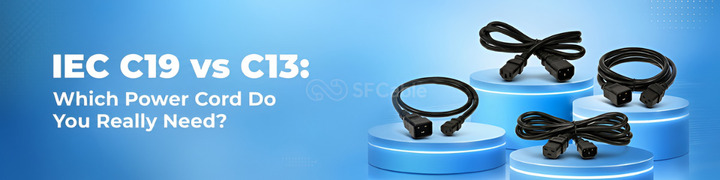
Choosing the wrong power cord in a data center is like bringing a butter knife to a server rack fight. Everything looks fine until the sparks start auditioning for a disaster movie. IEC power cord types may seem boring at first glance, yet one wrong pick can leave expensive hardware gasping for power like a gamer stuck on 1% battery during a ranked match.
The debate around the C19 vs C13 power cord keeps confusing network admins, IT teams, and even seasoned buyers because both look similar until the power load enters the chat and starts causing trouble. This guide breaks down the C13 vs C19 difference without turning the blog into a sleep therapy session.
From the reliable IEC C13 power cord to the heavy duty IEC C19 power cord, every detail here helps readers choose the right cable without playing electrical roulette.
What Are IEC Power Cord Types?
IEC power cord types follow IEC 60320 standards which keep devices from turning into overpriced paperweights during power loads. These connectors create a universal fit for servers, monitors, gaming rigs, and networking gear. Without standards, every rack setup would look like a garage sale hosted by chaos itself. The C19 vs C13 power cord debate usually starts when equipment demands more power and less guesswork.
Standardized connectors save IT teams from cable nightmares that feel longer than a Monday outage call. The IEC C13 power cord handles common devices while the IEC C19 power cord supports heavier equipment that drinks electricity like a dehydrated monster. Knowing the C13 vs C19 difference keeps systems stable and prevents expensive hardware from throwing a full blown tantrum.
What Is an IEC C13 Power Cord?
An IEC C13 power cord is one of the most common connectors found in IT setups, gaming stations, and office hardware. It has a rectangular female connector with three slots that fit securely into compatible devices without behaving like a loose shopping cart wheel. The connector design stays simple because nobody wants a power cable with more drama than a failed server migration at 2 AM.
Most IEC C13 power cord models support up to 250 volts and 10 to 15 amps depending on regional standards. That makes them suitable for everyday equipment that needs steady power without throwing a digital tantrum during peak workloads. From network rooms to gaming caves packed with empty energy drink cans, this cable keeps devices running while chaos politely waits outside the rack.
Advantages of C13 Power Cords
- Widely compatible with computers, monitors, switches, printers, and other common IT equipment
- Affordable pricing makes replacements painless instead of feeling like a ransom payment for a simple cable
- Easy to replace because IEC C13 power cords are available almost everywhere without hunting through dusty storage rooms like an archaeologist
- Ideal for low to medium power devices that need stable performance without demanding heavyweight power support
- Lightweight and flexible design helps keep server racks and gaming setups from looking like a spaghetti disaster after midnight troubleshooting
What Is an IEC C19 Power Cord?
An IEC C19 power cord is built for heavy duty equipment that laughs at ordinary cables and demands serious power delivery without excuses. Its larger connector design and wider pin layout make the IEC C19 power cord easy to spot in crowded racks where every cable already looks guilty during troubleshooting.
Unlike smaller IEC power cord types, this connector handles higher voltage and amperage for power hungry hardware. The C13 vs C19 difference becomes obvious when enterprise equipment starts pulling enough electricity to make weak cables sweat like interns during a surprise outage drill.
Advantages of C19 Power Cords
- Supports high current loads without acting like the cable version of a gym newbie skipping leg day
- Built for enterprise grade equipment that runs nonstop and refuses to tolerate weak power connections
- More durable for heavy duty applications where constant heat and power demand can destroy ordinary cables
- Thick connector design provides a secure fit so cables do not loosen during critical operations
- Ideal for data centers and server environments where downtime spreads panic faster than a coffee shortage during night shifts
How to Choose Between IEC C13 and IEC C19 Power Cords?
- Check device power requirements before buying because forcing the wrong cable into high power equipment is like feeding instant noodles to a racehorse and expecting miracles
- Verify connector compatibility carefully since an IEC C13 power cord and an IEC C19 power cord are not interchangeable no matter how confident the cable looks
- Consider amperage and voltage ratings to avoid overheating issues that can turn a peaceful server room into a panic convention
- Think about future scalability if additional hardware or higher power loads may be added later in the setup
- Choose certified power cords from trusted suppliers because cheap no name cables often quit faster than gym memberships in February
- Review the C13 vs C19 difference properly so the final choice matches both present workloads and future expansion plans
Which Power Cord Do You Really Need?
- Choose an IEC C13 power cord for desktop computers, monitors, gaming setups, office devices, and standard networking equipment with moderate power needs
- Choose an IEC C19 power cord for servers, PDUs, enterprise switches, and high performance UPS systems that demand higher current support
- Home users usually benefit from C13 cables because most household electronics do not consume massive power like a server rack possessed by caffeine demons
- Offices and small business environments commonly rely on C13 connectors for everyday hardware and stable cable management
Closing Lines
Choosing between an IEC C13 power cord and an IEC C19 power cord comes down to power needs, device compatibility, and avoiding the kind of cable mistakes that make server rooms smell like burnt regret. The C13 vs C19 difference matters because every setup has different demands, from gaming systems and office hardware to enterprise racks working harder than overcaffeinated admins during outage season.
Reliable IEC power cord types keep equipment stable and downtime under control without unnecessary drama. Certified cables from trusted suppliers help protect valuable hardware and maintain safe performance. A good power cord should quietly do its job, not audition for a fireworks show beside expensive equipment.
Original Article :- https://www.sfcable.com/blog/iec-c19-vs-c13-power-cord