How Shopify Website Maintenance Helps Improve Store Performance
Posted by Napollo Software
Filed in Technology 335 views
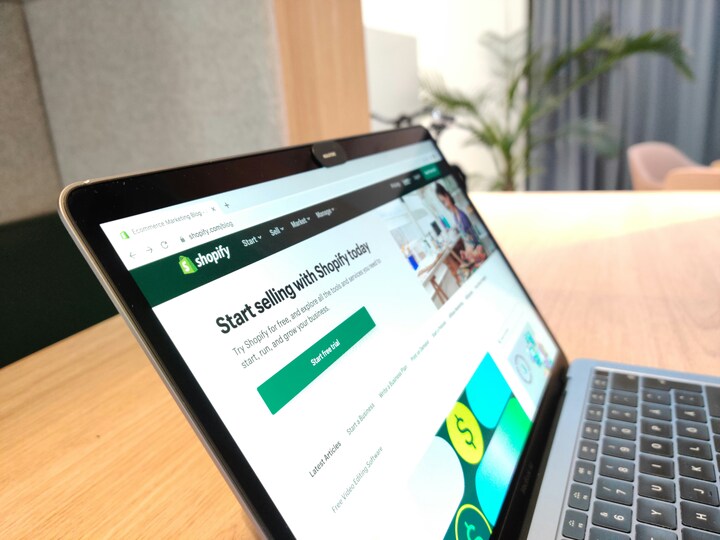
Shopify has become one of the most trusted ecommerce platforms in the world, and for good reason. It gives businesses the ability to launch polished and fully functional online stores without requiring deep technical expertise, while still offering the flexibility that growing businesses need as their operations scale. However, launching a store is only the first step in a much longer journey. The long-term performance of any Shopify store depends not just on how well it was built but on how consistently and carefully it is maintained over time. Professional Shopify website maintenance is the discipline that keeps a store running at its best, prevents avoidable technical problems, and ensures that the customer experience remains smooth and reliable as the business grows and the platform evolves. Store owners who treat maintenance as optional quickly discover that the cost of neglect far exceeds the cost of proactive care.
This blog explores what comprehensive Shopify maintenance involves, how it connects to the quality of initial development, why it matters for store performance and revenue, and what to look for when choosing the right long-term partner to support your store.
The Foundation of a Successful Shopify Store
Understanding why maintenance matters requires first understanding how the performance of a Shopify store depends on multiple interconnected layers. These include the theme and its underlying code, the apps installed to extend functionality, third-party integrations connecting the store to external systems, the product catalog and its associated content, and the underlying Shopify platform itself, which continues to evolve with new features and updates.
Each of these layers changes over time. Themes are updated by developers. Apps release new versions. Shopify introduces platform changes that can affect how existing customizations behave. Products are added, modified, and discontinued. Without systematic attention to each of these layers, small issues accumulate into larger problems that are increasingly disruptive and expensive to resolve.
The quality of the original Shopify website development also plays a significant role in how maintainable a store is over time. A store built with clean code, well-documented customizations, and a logical structure is far easier to maintain and update than one built with shortcuts, excessive custom scripts, or poorly integrated apps. This is one of the most important reasons why the choice of development partner at the outset has lasting consequences for the ongoing health of the store.
What Shopify Website Maintenance Really Covers
Maintenance is often misunderstood as a simple matter of applying updates when prompted. In reality, a professional maintenance program is a comprehensive and ongoing discipline that covers every aspect of the store's technical and operational health.
Theme and App Updates
Shopify's ecosystem of themes and apps is maintained by developers who regularly release updates to improve functionality, patch security vulnerabilities, and ensure compatibility with Shopify's evolving core platform. These updates need to be applied regularly, but not blindly. Every update carries the potential to interact unexpectedly with existing customizations or other installed apps.
A professional maintenance process includes reviewing updates before applying them, testing in a staging environment where available, and verifying that the live store continues to function correctly after each update is deployed. This careful approach prevents the common situation where a well-intentioned update breaks an important element of the store and disrupts the shopping experience for customers.
Speed and Performance Optimization
Page load speed is one of the most directly measurable factors affecting ecommerce conversion rates. Customers who encounter slow-loading pages abandon them quickly and are unlikely to return. For Shopify stores that invest in driving traffic through organic search or paid advertising, a slow store wastes a significant portion of that investment by losing visitors before they have the opportunity to engage with products.
Performance optimization within a maintenance program involves regularly testing load speeds across devices and connection types, identifying bottlenecks in the theme code or installed apps, optimizing product and collection images, and removing unnecessary scripts that add weight to page loading. As new apps are added and the catalog grows, performance must be actively managed rather than simply assumed to remain acceptable.
Security Monitoring and Vulnerability Patching
While Shopify manages platform-level security as a hosted solution, individual stores carry responsibility for their own security in several important areas. These include the security configurations of installed apps, the integrity of third-party integrations, staff account access controls, and compliance with data privacy regulations applicable to the markets the store serves.
Regular security reviews identify configurations that fall short of best practice and address them before they can be exploited. For businesses that want to understand how security monitoring fits within a broader website care strategy, this guide on security website maintenance solutions provides a thorough framework that applies directly to ecommerce environments.
Content Accuracy and Catalog Management
A Shopify store's content requires continuous attention to remain accurate and effective. Product descriptions must reflect current specifications and availability. Prices must be updated to reflect changes in cost structure or promotional strategy. Seasonal content must be rotated at the right times. Out of stock products must be managed in a way that minimizes customer frustration while preserving any SEO value those pages have accumulated.
Beyond individual product pages, the broader informational architecture of the store also needs periodic review. Navigation menus must be updated as the product range changes. Policy pages must remain legally accurate and clearly written. Internal links must be checked to ensure they continue to point to relevant and active pages. All of this is part of a well-structured ongoing maintenance program.
Backup and Recovery Planning
Shopify does not provide native full-store backup functionality in the way many store owners assume. While Shopify maintains infrastructure-level backups, these are not designed to support individual store rollbacks following user errors, accidental deletions, or data corruption events. Stores without their own backup solution are genuinely exposed to data loss scenarios that can be extremely difficult to recover from without a proper backup in place.
A professional maintenance plan includes regular backups of product data, customer records, theme files, and store configuration settings. It also includes a clearly defined and tested recovery process so that if something does go wrong, the store can be restored quickly and with minimal disruption to business operations.
The Connection Between Maintenance and Shopify Ecommerce Website Development
The quality of a store's initial build has a direct and lasting impact on how smoothly it can be maintained over time. Shopify ecommerce website development that follows best practices produces a store that is structurally clean, well-documented, and built with future maintainability in mind. Development that prioritizes speed of delivery over quality of execution produces a store that accumulates technical debt quickly and becomes increasingly difficult to manage without significant remediation work.
When evaluating a development partner, it is important to ask how they approach the handoff from development to ongoing maintenance. Do they provide documentation of the customizations they have made? Do they follow Shopify's development guidelines to ensure that future platform updates do not conflict with their work? Do they build with scalability in mind so that the store can grow without requiring a complete rebuild?
The best development relationships extend naturally into ongoing maintenance partnerships. A team that built the store understands its architecture intimately, which makes them significantly more effective at maintaining and improving it than a new team that has to reverse-engineer what was built before them. For businesses interested in how development quality connects to long-term ecommerce performance, this overview of ecommerce website redesign services and site performance illustrates how poor initial development decisions eventually require costly intervention.
Why Ongoing Maintenance Matters More Than Most Store Owners Realize
The business case for professional Shopify maintenance becomes clearest when you consider the compounding costs of neglect. Technical problems that are caught early in a maintenance review cost a fraction of what they cost to address after they have escalated. A performance issue identified during a routine check takes hours to resolve. The same issue discovered after it has been quietly degrading conversion rates for months represents a far larger revenue loss and a more complex remediation effort.
The same principle applies to security vulnerabilities, outdated content, and broken functionality. Proactive maintenance finds and addresses these issues in their early stages. Reactive management deals with them after they have already caused harm. The difference in cost and disruption between these two approaches is substantial.
Consistent maintenance also supports stronger search engine performance. Search engines factor technical health indicators including page speed, mobile usability, accurate structured data, and clean crawlability into ranking decisions. A well-maintained store maintains strong technical SEO foundations that support visibility in organic search results. For businesses looking to maximize the ecommerce SEO value of their Shopify store, this comprehensive guide on optimizing ecommerce sites for search engines covers the full scope of what that optimization involves.
Customer experience is the third major reason ongoing maintenance matters so directly. Every technical glitch, slow-loading page, or broken element in the shopping journey creates friction that reduces the likelihood of a purchase and the likelihood of a return visit. A store that consistently performs well at every touchpoint builds customer confidence and loyalty. A store that delivers an inconsistent experience pushes customers toward competitors who offer a more reliable alternative.
What to Look for in a Shopify Website Development Company
Choosing the right Shopify website development company is one of the most consequential decisions a store owner makes, both for the initial quality of the build and for the long-term health of the store. The following factors should guide the evaluation process.
Platform Specific Expertise
Shopify has its own development ecosystem including its Liquid templating language, its app and API architecture, and its specific approach to theme structure and customization. A development company with genuine Shopify expertise understands these platform-specific dimensions and builds accordingly. A general web development agency applying generic principles to Shopify will produce work that is less optimized and less maintainable than a team that works with the platform daily.
Ask potential partners about their experience with Shopify specifically. How many stores have they built and maintained? Have they worked with stores at the scale and complexity your business requires? Can they speak fluently about Shopify's development guidelines and the technical considerations that distinguish well-built Shopify stores from poorly built ones?
A Defined Development and Maintenance Process
Quality development companies have documented processes for both building and maintaining Shopify stores. They follow consistent standards for code quality, testing, and deployment. They have a clear process for applying updates, managing customizations, and communicating with clients about the work being done and the results it is producing.
Ask to see how they document their work and how they manage the transition between the development phase and the ongoing maintenance phase. A company that is vague about its process is likely to be inconsistent in its execution. For businesses that want to understand what a structured maintenance relationship should look like in practice, this guide on choosing the right website maintenance service for your needs provides useful criteria that apply directly to Shopify environments.
Responsive and Available Support
Shopify stores operate continuously, and technical problems do not respect business hours. When something goes wrong, you need a development and maintenance partner that can respond quickly and competently regardless of when the issue occurs. Ask about response time commitments, support availability, and the process for handling urgent issues that require immediate attention.
A maintenance partner that is difficult to reach during a critical situation is not providing the level of support that a serious ecommerce business requires. Clear and contractually defined support terms are an important part of any professional maintenance engagement.
Clear and Regular Reporting
You should always have clear visibility into what maintenance work is being performed and what the results of that work are. A professional maintenance partner provides regular reports covering completed tasks, identified issues and how they were addressed, current performance metrics, and recommendations for additional improvements that would benefit the store.
This reporting transparency builds trust and ensures that you have an accurate and current picture of your store's health without needing to chase information. It also creates a historical record of maintenance activity that is genuinely useful for identifying patterns and making informed decisions about future investment in the store's infrastructure and capabilities.
How Shopify Website Development Sets the Stage for Easier Maintenance
The relationship between initial development quality and ongoing maintenance efficiency cannot be overstated. Shopify website development that is approached with long-term maintainability as a priority produces a store that is easier, faster, and less expensive to maintain over time. Development that prioritizes rapid delivery at the expense of code quality and documentation produces the opposite outcome.
Well-structured development includes choosing apps carefully to avoid unnecessary overlap and conflict, keeping custom code minimal and well-documented, following Shopify's update guidelines so that platform changes do not break existing functionality, and building with performance in mind from the start. These choices compound in value over time because they reduce the friction involved in every subsequent maintenance task and update.
Stores that were not built to these standards can often be improved through a targeted technical remediation effort before a maintenance program begins. This involves auditing the existing codebase, identifying and addressing structural problems, and establishing the clean foundation that makes ongoing maintenance efficient. For businesses considering how their existing store can be improved before a maintenance program begins, this article on the role of a Shopify SEO expert in brand building highlights how platform expertise and ongoing optimization work together to build a stronger and more competitive store.
Common Maintenance Issues Shopify Stores Face
Understanding the types of problems that regular maintenance catches and prevents helps store owners appreciate the scope and value of professional maintenance programs.
App conflicts are among the most frequent technical issues in Shopify stores. As new apps are added over time, their scripts and functionality can interfere with each other in ways that are not immediately obvious. Regular maintenance reviews identify these conflicts before they escalate into visible problems that affect customers.
Image optimization is another common area of neglect. As product catalogs grow, new images are frequently uploaded without being properly compressed or formatted for web performance. Over time this accumulates into a significant page weight problem that slows the store for all visitors, particularly those on mobile devices.
Broken links and outdated redirects are also common issues in stores with active catalogs where products are regularly added, modified, and removed. Regular link auditing ensures that internal navigation remains clean and that any important pages that have been moved or removed are properly redirected to maintain SEO value.
Theme code conflicts following Shopify platform updates represent another category of maintenance issue that is entirely preventable with a proactive approach. Stores with heavily customized themes need careful review following significant Shopify updates to ensure that platform changes have not introduced conflicts with existing customizations.
Conclusion
A Shopify store that receives consistent professional maintenance performs better, earns stronger search rankings, converts more reliably, and delivers the kind of customer experience that builds lasting loyalty. The investment in ongoing Shopify website maintenance is one of the most directly value-generating operational decisions a store owner can make because its benefits compound continuously over time.
The quality of the initial Shopify website development determines how maintainable the store is from the outset, which is why choosing a skilled and experienced development partner matters as much at the beginning of a store's life as it does throughout its operation. When development quality and ongoing maintenance discipline work together, the result is a store that grows stronger and more competitive with every passing month rather than accumulating the technical debt that slows so many ecommerce businesses down.
Whether your store is in its early stages or has been operating for years, committing to a professional and structured maintenance program is the most reliable path to consistent high performance and sustainable ecommerce growth.
FAQs
Q: What does Shopify website maintenance include on an ongoing basis? A: Shopify website maintenance includes theme and app updates, page speed optimization, security monitoring, content and catalog accuracy reviews, backup management, and regular performance reporting. The specific scope varies based on store size, traffic volume, and the complexity of installed apps and integrations.
Q: How does the quality of Shopify website development affect ongoing maintenance? A: Shopify website development built with clean code, documented customizations, and platform best practices is significantly easier and less expensive to maintain. Poor initial development accumulates technical debt that makes every future maintenance task more complex, time-consuming, and costly to execute properly.
Q: Why should I choose a dedicated Shopify website development company over a general agency? A: A dedicated Shopify website development company has deep platform-specific knowledge including Liquid templating, Shopify app architecture, and platform update guidelines. This expertise produces higher quality builds and more effective ongoing maintenance compared to general agencies applying non-specific web development principles.
Q: How often does a Shopify store need professional maintenance attention? A: Most active Shopify stores benefit from monthly maintenance covering updates, performance checks, and content reviews. Stores with large catalogs, frequent promotions, or high traffic volumes may need more frequent attention. A quarterly technical audit should be part of any comprehensive maintenance plan regardless of store size.
Q: Can Shopify maintenance services help improve my store's search engine rankings? A: Yes. Regular maintenance improves technical SEO factors including page speed, mobile performance, structured data accuracy, and internal link integrity. These improvements directly support stronger organic search rankings and help maintain visibility as search engine algorithms continue to evolve and prioritize technical quality signals.