Why Shaker Entry Doors Are a Timeless Choice for Homeowners
Posted by Napollo Software
Filed in Family & Home 12 views
The entrance of a home creates one of the first visual impressions of the property. While landscaping, exterior colors, siding, and lighting all contribute to curb appeal, the front door often becomes a natural focal point. Choosing the right design can help establish the architectural character of the home while providing the practical performance expected from an exterior entrance.
Some door styles remain relevant because they combine recognizable design with enough simplicity to work across different architectural settings. The Shaker style is a good example. Its clean lines, framed construction, and restrained appearance allow it to complement both traditional and contemporary homes.
For homeowners planning a renovation, replacing an outdated entrance, or selecting doors for a new property, understanding the characteristics of this style can make the decision easier. The right combination of panel configuration, color, hardware, material, and surrounding architectural details can create an entrance that feels coordinated rather than overly decorative.
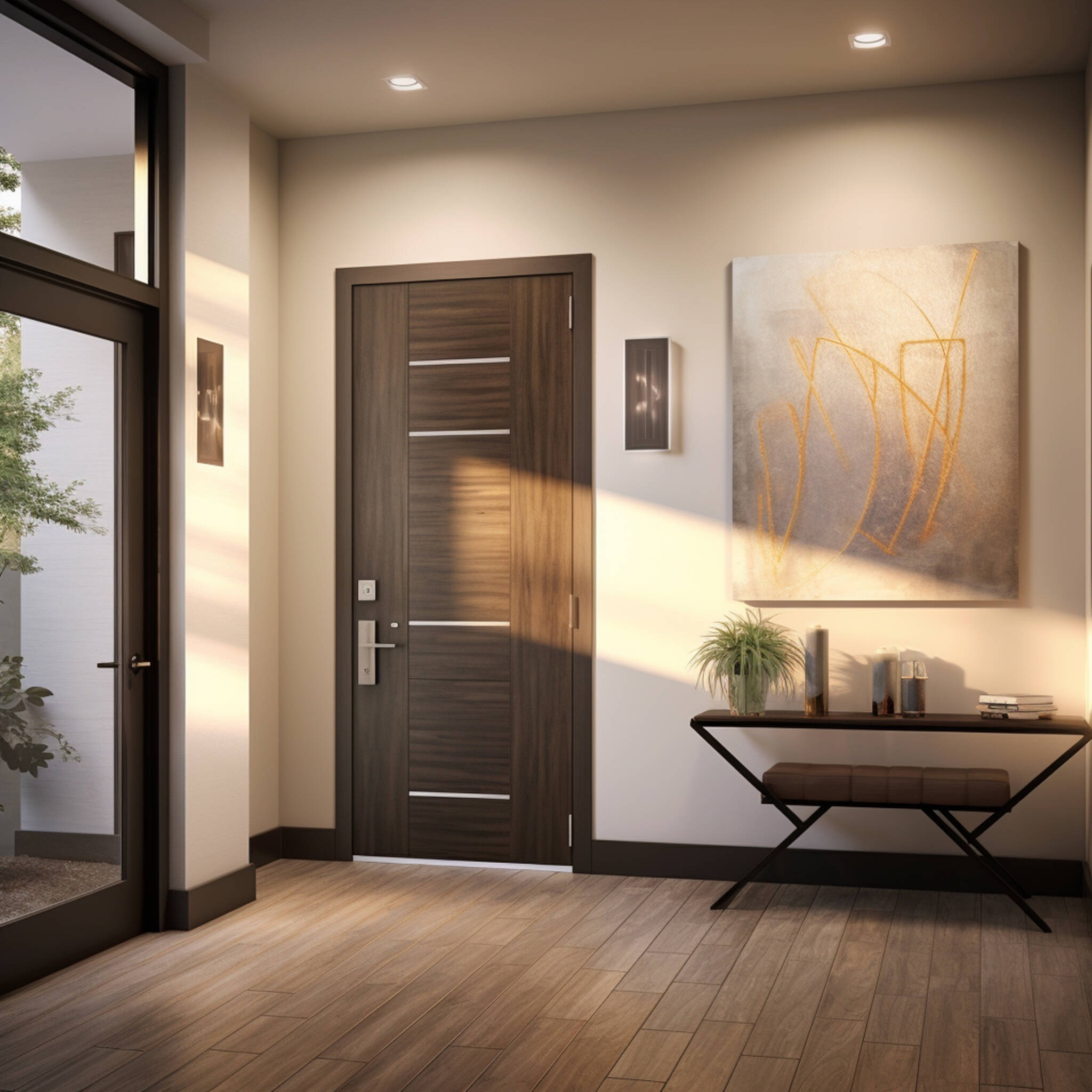
What Defines the Shaker Door Style?
The Shaker design is generally recognized by its simple framed-panel construction. Rails and stiles create a border around a recessed or flat center panel. Unlike highly decorative doors, the style relies on proportion and clean geometry rather than elaborate ornamentation.
This straightforward design is one reason it can work with different architectural styles. A home with traditional trim and natural materials can use a paneled door without creating visual conflict. At the same time, a contemporary home can pair a simple panel design with minimalist hardware and a restrained color palette.
The style also provides flexibility when choosing the surrounding exterior. Brick, stone, siding, stucco, and other materials can all work with a carefully selected paneled entrance.
The result does not need to look historically traditional. The appearance can be adjusted through color, hardware, glazing, trim, and the number of panels.
Why Shaker Entry Doors Remain Popular
Home design trends change frequently. Colors become more popular, materials evolve, and architectural preferences shift. However, simple door designs often remain useful because they do not depend on a short-lived decorative trend.
Shaker entry doors have a balanced appearance that can work with both classic and updated homes. Their restrained construction gives homeowners room to change other exterior features without necessarily needing to replace the door.
For example, a homeowner may update the exterior paint color several years after installation. A simple paneled door can often continue to coordinate with the new color scheme.
The same principle applies to hardware. Changing a handle or lock finish can alter the visual character of the entrance without requiring an entirely new door.
This adaptability makes the style useful for homeowners who want a design that can accommodate future changes.
1. Choose a Panel Configuration That Fits the Home
Panel configuration is one of the most noticeable characteristics of a paneled entrance.
A single large panel can create a clean and relatively minimal appearance. Multiple panels can introduce more traditional architectural detail.
When choosing a configuration, look at the proportions of the house. A very large entrance may accommodate a stronger panel arrangement, while a smaller opening may benefit from a simpler design.
The surrounding architecture should also be considered. If the home already contains strong horizontal and vertical lines, a door with balanced panel proportions can reinforce those patterns.
There is no single panel arrangement that works for every property. The goal is to create a relationship between the door, entryway, and architecture.
2. Consider the Architectural Style of the Home
A door should look like part of the house rather than an isolated feature.
Traditional properties may have detailed trim, brickwork, shutters, or other architectural elements. A paneled door can complement these features when its proportions and finish are appropriately selected.
Contemporary properties often rely on cleaner lines and fewer decorative details. A simple panel design with streamlined hardware can fit naturally into this environment.
Transitional homes provide even more flexibility. They can combine classic architectural features with contemporary finishes and hardware.
Before selecting a door, step back and consider the entire exterior. Look at the roofline, windows, trim, siding, landscaping, and entry path. The front door should contribute to the overall composition.
3. Use Color to Create the Desired Impression
Color can dramatically change how an entrance appears.
A white or light-colored door can create a bright and traditional look. Gray can provide a neutral appearance that works with many exterior materials. Darker shades such as charcoal or black can create stronger contrast.
A homeowner may also choose a more noticeable color to make the entrance a focal point. The choice should coordinate with the surrounding exterior rather than compete with it.
Consider the color of the roof, siding, brick, stone, garage door, and window trim. Repeating a related tone in two or more exterior elements can create visual consistency.
Natural wood finishes offer another possibility. They can introduce warmth and emphasize the construction of the door. However, exterior wood requires appropriate finishing and maintenance based on the material and climate.
4. Select Hardware That Complements the Design
Hardware can have a surprisingly strong effect on the appearance of an entrance.
A simple lever or pull can support a contemporary aesthetic. More traditional hardware can reinforce a classic exterior. Finishes such as matte black, brass, bronze, and brushed metal each create a different visual effect.
The lockset should also provide the required functionality and security for the property. Appearance should not be the only consideration.
When selecting hardware, look at other exterior elements as well. House numbers, exterior lighting, mailbox hardware, and gate hardware can all influence the overall appearance.
Matching every finish is not mandatory, but using a coordinated selection can make the entrance feel more intentional.
5. Consider Glass and Natural Light
Some entrance doors include glass panels or sidelights to bring natural light into the foyer. Glass can also change the visual character of the door.
Clear glass provides substantial light but may offer less privacy. Frosted, textured, or decorative glass can provide a balance between light transmission and visual separation.
The amount of glass should reflect the home's layout and the homeowner's privacy requirements.
For entrances facing a busy street or neighboring property, excessive clear glass may not be desirable. In a private entryway, larger glass areas may be more practical.
Glass should also be selected according to the requirements of an exterior application. Appropriate glazing, framing, weather resistance, and installation are important considerations.
6. Think About Exterior Performance
An entrance door has different requirements from an interior door.
Exterior doors are exposed to changing temperatures, humidity, sunlight, wind, and precipitation. Depending on the climate and location, these factors can influence the long-term condition of the door.
The material, finish, seals, frame, threshold, and installation should all be suitable for exterior exposure.
Homeowners should also consider energy performance. A properly fitted exterior door can help reduce unwanted air movement around the entrance.
Weatherstripping and appropriate seals can help limit drafts. A correctly installed threshold can also contribute to a tighter entryway.
Because exterior conditions vary by location, product specifications and local building requirements should be reviewed before installation.
7. Use Modern Details Without Losing Classic Character
The Shaker style does not have to create a completely traditional appearance.
Modern Shaker entry doors can combine a familiar panel structure with contemporary finishes and hardware. A dark paint color, simple pull handle, minimal trim, and modern exterior lighting can give the entrance a current appearance.
This approach works particularly well for homeowners who want architectural detail without a heavily traditional look.
The surrounding materials can reinforce the effect. Smooth siding, large-format house numbers, simple landscaping, and contemporary lighting can make a paneled entrance feel more modern.
The door itself does not need to carry every design element. The surrounding architecture can provide the contemporary character.
8. Coordinate the Door With Exterior Trim
Trim around an entrance helps define the opening and can change its perceived proportions.
Wider casing can create a more substantial architectural appearance. Simpler trim can produce a cleaner contemporary effect.
The trim does not necessarily have to match the door exactly. A contrasting color can outline the entrance and make the door more prominent. Matching colors can create a quieter and more integrated appearance.
When replacing an existing entrance, consider whether the existing trim should remain or be updated at the same time. A new door surrounded by outdated or damaged casing may not produce the desired finished appearance.
9. Think About Curb Appeal as a Complete Composition
Curb appeal does not depend on one product. It is the combined appearance of the home's exterior.
The front door interacts with landscaping, walkways, exterior lighting, windows, siding, roofing, and other architectural elements.
A strong entrance design usually has a clear focal point without making every feature equally prominent.
If the door has a bold color, simpler surrounding elements may provide balance. If the door is neutral, landscaping or lighting can provide additional visual interest.
This approach prevents the entrance from feeling cluttered.
Homeowners should also consider how the property looks from different distances. A detail that seems important up close may have little impact from the street, while color and proportions may remain visible from farther away.
10. Consider Shaker Style Front Doors for Transitional Homes
Transitional architecture combines elements from traditional and contemporary design. This makes it particularly compatible with restrained paneled doors.
A homeowner might pair a simple panel arrangement with modern exterior lighting and traditional brick. Another option could combine a paneled entrance with contemporary siding and natural stone.
The key is maintaining consistency in proportions and materials.
Shaker style front doors can provide enough architectural definition to work with classic elements without requiring elaborate decoration.
This flexibility is especially useful during renovations when homeowners want to update the appearance of a property without completely changing its architectural identity.
11. Pay Attention to Door Proportions
A door's height and width influence how the entire entrance is perceived.
A larger door can make an entryway feel more substantial. However, the door should remain proportional to the opening, surrounding walls, windows, and architectural features.
If the entrance includes sidelights or a transom, these elements also affect the overall proportions.
When selecting a replacement, measure the existing opening carefully. The door slab, frame, casing, threshold, and hardware all need to work together.
For new construction, the entrance can be designed as part of the architectural plan rather than treated as a separate finishing decision.
12. Choose Materials Based on Practical Requirements
Material selection should balance appearance and performance.
Wood can provide warmth and natural character. Engineered materials may offer specific advantages in terms of stability and maintenance. Composite and other exterior door materials can also be appropriate depending on the application.
The correct choice depends on climate, exposure, maintenance expectations, budget, and architectural requirements.
Homeowners should review manufacturer specifications rather than assuming that a material will perform the same way in every environment.
A beautiful finish is only useful if it can withstand the conditions to which the entrance will be exposed.
13. Consider Security and Privacy
The front door is also an important part of the home's entry system.
A properly fitted door, suitable locking hardware, strong hinges, and a compatible frame all contribute to the overall performance of the entrance.
Privacy should also be considered when selecting glass. A large clear panel may allow people outside to see into the entry area. Frosted or textured glazing can provide more visual separation.
The exact security requirements depend on the property and local regulations. Homeowners should select hardware and door systems appropriate for their circumstances rather than relying on appearance alone.
14. Keep Maintenance Requirements in Mind
Exterior doors require maintenance that can differ from interior doors.
Dust, moisture, sunlight, and temperature changes can affect the surface over time. The maintenance requirements will depend on the material and finish.
Inspect the door periodically for signs of wear. Check the weatherstripping and seals around the frame. Make sure hinges and hardware remain secure.
If the finish begins to deteriorate, address the issue according to the manufacturer's recommendations.
Regular maintenance can help preserve the appearance and functionality of the entrance while allowing small problems to be addressed before they become more significant. For additional care guidance, review this interior door maintenance guide.
15. Match the Entrance With Interior Design
Although the front door is an exterior feature, it can influence the transition into the home.
When the entrance opens into a foyer or hallway, the interior side of the door becomes part of the home's interior design.
Coordinating the interior finish with nearby trim, flooring, wall colors, and interior doors can create a smoother transition.
For example, a paneled exterior entrance can coordinate with paneled interior doors throughout the home. Alternatively, the interior side can use a different finish that better matches the home's interior palette.
This is particularly useful in homes where the entryway is visible from major living areas. Homeowners comparing paneled options can explore the Shaker Doors collection for additional design inspiration.
16. Think About Long-Term Design Flexibility
One of the practical benefits of a restrained door design is its ability to adapt.
Homeowners may change their exterior color scheme, landscaping, lighting, or hardware over time. A simple paneled door can often accommodate these changes without looking out of place.
This does not mean that every home should use the same design. Instead, it highlights the value of selecting a door that works with the property's architecture rather than following a short-term trend.
A timeless design can provide a stable visual foundation while other elements change around it.
17. Compare Shaker and Flush Door Aesthetics
Shaker and Flush doors represent two different approaches to interior and exterior-inspired design.
A paneled door introduces depth and framed detail. A flush door has a smooth, uninterrupted surface and generally creates a more minimalist appearance.
For homeowners who prefer traditional or transitional architecture, panel construction may provide the desired character. Those seeking a very clean contemporary look may prefer the simplicity of a flush surface.
The best choice depends on the architectural style, personal preference, surrounding materials, and intended application.
Evolux Doors offers both Shaker and Flush door collections for interior applications, providing options for homeowners and design professionals with different aesthetic goals. Homeowners interested in comparing door construction can also review this interior door thickness guide.
How to Choose the Right Entry Door
Before making a final selection, consider the following factors:
Evaluate the Architecture
Look at the home's existing lines, materials, trim, and proportions.
Determine the Desired Style
Decide whether the entrance should feel traditional, transitional, contemporary, or somewhere between these approaches.
Review Material Requirements
Consider climate, exposure, maintenance, and durability.
Select the Finish
Choose a color or material that complements the surrounding exterior.
Coordinate Hardware
Make sure the lockset and other hardware provide the required function while fitting the overall design.
Consider Glass
Evaluate natural light and privacy before choosing the amount and type of glazing.
Check Measurements
Verify the opening, frame, threshold, hinges, and surrounding trim before ordering.
Review Installation Requirements
A high-quality door still needs proper installation to perform as intended. For homeowners comparing interior applications, this guide to the best interior doors for soundproofing and privacy may also be useful.
Why Simplicity Can Support Long-Term Appeal
A timeless design does not necessarily mean an old-fashioned design. Instead, it often means that the underlying proportions and visual language remain useful even as surrounding trends change.
The restrained geometry of the Shaker style gives homeowners flexibility. The door can appear traditional when paired with classic trim and warm finishes. It can feel contemporary when combined with darker colors, minimal hardware, and clean architectural lines.
This adaptability helps explain why the style continues to be considered for a wide range of residential projects.
Final Thoughts
The front entrance is one of the most visible parts of a home, so selecting the right door requires a balance of appearance and practical performance. A well-designed entrance should complement the architecture while providing the durability, security, weather resistance, and functionality expected from an exterior opening.
Shaker entry doors offer a simple framed-panel appearance that can work across traditional, transitional, and contemporary settings. Their visual flexibility allows homeowners to change colors, hardware, trim, and surrounding exterior features without necessarily making the door feel outdated.
When choosing an entrance, consider more than the panel design. Look at material, proportions, glazing, hardware, weather protection, maintenance, and installation. These details work together to determine how the finished entrance looks and performs.
For homeowners planning a renovation or new build, a carefully selected paneled entrance can provide a strong architectural foundation while leaving room for future design changes.
FAQs
Q: Are Shaker entry doors suitable for modern homes?
A: Yes. A simple panel configuration can work well with contemporary architecture when combined with streamlined hardware, neutral or dark finishes, minimal trim, and modern exterior lighting. The surrounding materials help determine whether the overall appearance feels traditional or contemporary.
Q: What color works best for a Shaker front door?
A: There is no universal color choice. White and neutral shades provide a subtle appearance, while black or darker tones create contrast. Bold colors can make the entrance a focal point. Consider the home's siding, trim, roof, landscaping, and other exterior features.
Q: Are Shaker style front doors only suitable for traditional homes?
A: No. Their simple geometry can work with traditional, transitional, and contemporary architecture. The final appearance depends heavily on the panel configuration, finish, hardware, trim, and surrounding exterior materials.
Q: What should homeowners consider when choosing an exterior Shaker door?
A: Exterior applications require attention to weather exposure, material, moisture resistance, security, insulation, glazing, hardware, seals, and installation. Homeowners should select a product specifically designed for exterior use and review applicable manufacturer and local requirements.
Q: How can I make a paneled front door look more modern?
A: Choose a simple panel arrangement, a restrained finish, streamlined hardware, and minimal trim. Contemporary exterior lighting, clean landscaping, modern house numbers, and simple architectural materials can further support a more current appearance.