LVP for Bathrooms With Style and Everyday Durability
Posted by Napollo Software
Filed in Family & Home 27 views
Bathrooms experience conditions that can be challenging for many flooring materials. Water splashes, humidity, cleaning products, temperature changes, and frequent foot traffic can all affect the floor over time. For this reason, homeowners often look for flooring that can handle everyday moisture while also complementing the design of the room.
Vinyl plank flooring has become a popular option for bathroom renovations because it combines practical performance with a wide selection of colors, textures, and wood-inspired designs. When properly selected and installed, it can create a comfortable surface that fits both contemporary and traditional bathroom styles.
The growing interest in lvp for bathrooms is also connected to the development of modern vinyl flooring. Today's products can offer realistic visual details, durable wear layers, and construction designed for everyday residential use.
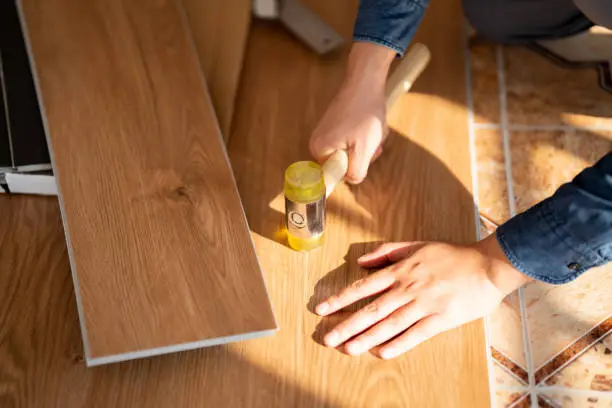
However, choosing bathroom flooring should involve more than simply selecting a material that looks attractive. Homeowners should consider moisture exposure, subfloor conditions, installation requirements, maintenance, surface texture, plank dimensions, and the overall design of the bathroom.
This guide explains what to consider when selecting vinyl plank flooring for a bathroom and how to create a durable and attractive space.
What Is LVP?
LVP stands for luxury vinyl plank. It is a type of resilient flooring manufactured in plank-shaped formats. Many products are designed to reproduce the appearance of natural materials such as hardwood while offering the practical characteristics associated with vinyl flooring.
Modern vinyl planks can include several layers. The surface generally includes a protective wear layer that helps the flooring withstand everyday use. Beneath it is a decorative layer that provides the visual pattern. Depending on the product, the construction can also include a vinyl core or rigid core designed to provide stability.
One reason homeowners consider LVP for bathroom projects is the variety of available designs. Wood-inspired colors can create a warm appearance, while lighter shades can help a smaller bathroom feel more open.
The visual flexibility means that homeowners do not necessarily have to choose between appearance and practicality. Flooring can become part of the overall bathroom design rather than simply serving as a functional surface.
Why Consider LVP for Bathrooms?
Bathrooms have different flooring requirements than bedrooms or living rooms. Moisture is one of the most important considerations. Water can reach the floor around sinks, showers, bathtubs, and toilets.
Vinyl flooring can be a practical choice when the product is specifically designed for areas where moisture is present. However, homeowners should always check the manufacturer's specifications before installation because not every vinyl product has the same construction or warranty conditions.
Another benefit is comfort. Vinyl can provide a somewhat softer and warmer feeling underfoot than hard surfaces such as ceramic or porcelain tile. This can be particularly noticeable when walking barefoot.
Durability is another factor. A quality vinyl product with an appropriate wear layer can be designed to handle regular foot traffic, cleaning, and everyday activity.
For homeowners researching waterproof vinyl bathroom flooring, product specifications should be examined carefully. The terms waterproof and water resistant are not always interchangeable. Understanding the manufacturer's stated performance is important before making a purchase.
Moisture Resistance and Bathroom Performance
Water is one of the biggest concerns when selecting flooring for a bathroom. A floor may encounter occasional splashes as well as regular humidity and cleaning.
The construction of the flooring plays an important role. Some vinyl products use a waterproof core that helps prevent water from passing through the flooring material. Rigid-core products can also provide dimensional stability in environments where temperature and moisture levels change.
Parma Floors offers SPC flooring designed with a waterproof core and describes it as suitable for moisture-prone areas including bathrooms, kitchens, laundry rooms, and basements.
Homeowners comparing rigid-core options can explore the SPC flooring collection to review Parma Floors products designed for moisture-prone areas.
It is important to remember that waterproof flooring does not mean that the entire bathroom installation is automatically protected from water damage. Water can still reach the subfloor through gaps, plumbing leaks, damaged transitions, or improper installation.
Proper preparation and installation remain essential.
Choosing the Right Design for Your Bathroom
Flooring has a significant visual impact on a bathroom. Because bathrooms are often smaller than other rooms, the color and pattern of the floor can influence how spacious the room feels.
Light-colored flooring can help create an airy appearance. Soft oak tones, pale beige shades, and natural wood colors can work well in bathrooms that use white or neutral walls.
Darker flooring can create contrast. Deep brown or charcoal-inspired surfaces can work particularly well with lighter cabinetry, walls, and fixtures.
For a natural interior, wood-look planks can provide warmth without requiring natural hardwood throughout the bathroom. They can also coordinate with wood cabinetry and other interior finishes.
When choosing luxury vinyl plank bathroom flooring, consider the complete design rather than the floor alone. Think about wall color, vanity finishes, countertops, lighting, hardware, mirrors, and fixtures.
A floor that looks attractive in a showroom may appear different under the lighting conditions in your bathroom. Ordering a sample can help you evaluate the color alongside existing materials.
Plank Size and Bathroom Proportions
The dimensions of flooring can affect the visual appearance of a room.
Longer planks can create a sense of continuity and may work particularly well in larger bathrooms. Shorter or narrower formats can be useful when working around compact layouts or multiple fixtures.
The direction in which planks are installed can also affect the room's visual flow. Installing planks along the longest dimension of a narrow bathroom may make the space appear more elongated.
However, layout decisions should also account for installation efficiency and the location of plumbing fixtures.
Before purchasing flooring, measure the room carefully. Include alcoves and irregular areas in the calculations and allow for additional material to accommodate cuts and future repairs.
Understanding Waterproof Bathroom Flooring
The phrase waterproof bathroom flooring can refer to several different flooring categories. Vinyl, SPC, tile, and certain specialized flooring systems may be designed to handle significant moisture exposure.
However, their construction and installation methods can differ substantially.
With vinyl flooring, homeowners should look at the product's specifications instead of relying only on general descriptions. Consider the core construction, wear layer, thickness, installation method, warranty, and manufacturer's recommendations.
Parma Floors describes its SPC flooring as waterproof and notes that its rigid construction is intended to provide stability in areas where moisture and temperature can fluctuate.
For additional information about construction and applications, homeowners can review the SPC flooring guide before comparing different flooring options.
This research is especially useful when comparing traditional vinyl plank with rigid-core products.
Preparing the Bathroom Subfloor
Even high-quality flooring depends on a suitable subfloor.
Before installation, the subfloor should generally be clean, dry, solid, and sufficiently level for the flooring system being installed. Any existing moisture problems should be addressed before new flooring is installed.
Uneven areas can affect how planks connect and may result in movement or visible imperfections. Moisture trapped beneath flooring can also create problems over time.
Bathroom renovations may involve removing old tile, vinyl, or other materials. After removal, inspect the surface for damage, moisture, cracks, or uneven areas.
Plumbing areas deserve particular attention. If there has previously been a leak around a toilet, bathtub, shower, or sink, the underlying area should be inspected before installing new flooring.
Good preparation can help protect the new floor and contribute to a cleaner finished installation.
Installation Considerations
The installation method depends on the specific product.
Many modern rigid vinyl products use click-lock systems. These planks can connect together without requiring adhesive across the entire floor. The exact installation process still depends on the manufacturer's instructions.
Bathrooms can require additional attention around plumbing fixtures and transitions. Cuts around toilets, cabinets, pipes, and doorways should be carefully measured.
The perimeter and transitions between the bathroom and adjacent rooms also need to be handled according to the flooring manufacturer's installation instructions.
Homeowners completing a renovation themselves should read the product installation guide before beginning. Professional installation may be appropriate when the subfloor requires substantial preparation or when the bathroom layout includes complicated cuts.
Maintenance and Cleaning
One of the practical advantages of vinyl flooring is its relatively straightforward maintenance.
Regular sweeping or vacuuming can remove dust, hair, and other particles that accumulate on the floor. Occasional damp mopping can help remove surface dirt.
Cleaning products should be compatible with the specific flooring. Avoid using harsh chemicals or abrasive tools unless the manufacturer specifically recommends them.
Bathroom floors may require more frequent cleaning than floors in bedrooms or formal living spaces. Hair, soap residue, cosmetic products, and water spots can accumulate quickly.
Promptly cleaning spills is also a sensible practice. Although a waterproof product can provide protection against water exposure, standing water should not be allowed to remain unnecessarily.
Keeping the bathroom well ventilated can also help reduce excessive humidity. Exhaust fans, windows, and appropriate ventilation can contribute to a more comfortable environment.
LVP vs. Other Bathroom Flooring Options
There is no single flooring material that is appropriate for every bathroom. The right choice depends on design preferences, budget, installation conditions, and performance requirements.
LVP vs. Ceramic Tile
Ceramic and porcelain tile are established bathroom flooring materials. They offer a large selection of colors, patterns, and textures and can provide a hard, durable surface.
Vinyl can feel softer underfoot and may be simpler to install depending on the product and subfloor. Tile installation can require more preparation, cutting, adhesive, and grout work.
LVP vs. Laminate
Laminate flooring can reproduce the appearance of hardwood and is available in many designs. However, homeowners should distinguish between water-resistant and waterproof products.
Parma Floors' laminate guidance notes that its laminate flooring is not intended for damp rooms such as bathrooms or areas that could potentially flood. This makes it important to check product-specific recommendations rather than assuming all laminate products have the same moisture performance.
Homeowners comparing different flooring styles can also explore the laminate flooring collection for designs and product options.
LVP vs. Natural Hardwood
Natural hardwood provides an authentic appearance and can add warmth to interior spaces. However, bathrooms expose flooring to conditions that require careful consideration of moisture and maintenance.
Vinyl can provide a wood-inspired appearance without using natural wood throughout the room. This can make it an option for homeowners who want a wood-look bathroom while prioritizing moisture-related performance.
How to Create a Stylish Bathroom With Vinyl Flooring
A bathroom does not have to look purely functional. Flooring can establish the foundation for a coordinated interior.
For a modern bathroom, consider light gray, natural oak, or neutral flooring with simple fixtures and clean cabinetry.
For a warmer design, medium wood tones can complement cream walls, natural textures, and warm lighting.
For a minimalist bathroom, a simple plank pattern can work with white surfaces, matte hardware, and uncluttered cabinetry.
The key is balance. If the walls and fixtures already have strong patterns, a subtle flooring design may create a more cohesive result. If the bathroom uses simple finishes, flooring with realistic wood grain can add visual interest.
Factors to Check Before Buying
Before selecting a vinyl floor for a bathroom, consider the following factors.
Water Performance
Confirm whether the product is classified as waterproof or water resistant. Review the manufacturer's documentation rather than relying on general product descriptions.
Wear Layer
A stronger wear layer can provide additional protection against everyday surface wear. Consider the expected traffic level of the bathroom.
Core Construction
The core affects stability and performance. Rigid-core products such as SPC can provide a firm flooring structure.
Installation System
Check whether the product uses click-lock, glue-down, or another installation method. Make sure the method is suitable for the bathroom and existing subfloor.
Warranty
Review the warranty carefully. Look at coverage periods, installation requirements, exclusions, and maintenance conditions.
Appearance
Order samples when possible. Compare the flooring with the bathroom's cabinets, wall color, countertops, fixtures, and lighting.
Why Product Specifications Matter
Marketing terms can sometimes make different flooring products sound similar even though their construction varies.
A product described as vinyl flooring may have different layers, cores, thicknesses, wear layers, and installation systems from another vinyl product.
For this reason, homeowners should review technical information before making a final decision.
Parma Floors describes its SPC flooring as having multiple layers, including a protective finish, wear layer, vinyl print layer, SPC core, and base layer. The company also notes that its products are designed for durability, moisture exposure, and everyday maintenance.
Reviewing these details can help homeowners understand what they are purchasing rather than selecting flooring based only on appearance.
Making the Bathroom Floor Part of the Overall Design
The floor should work with the rest of the bathroom instead of being treated as an isolated feature.
Start by identifying the dominant colors already present in the room. Then consider whether the floor should blend with those colors or create contrast.
For bathrooms with white walls and cabinets, natural wood tones can introduce warmth. For bathrooms with dark cabinetry, lighter flooring can create balance.
Pattern direction also matters. Consistent plank placement can create visual continuity across an open bathroom area.
Transitions should also be considered when the bathroom connects directly to a bedroom, hallway, or dressing area. Coordinating flooring colors can create a smoother transition between spaces.
Final Thoughts
Choosing flooring for a bathroom requires a balance between appearance, moisture performance, durability, installation requirements, and maintenance. Modern vinyl products provide homeowners with many design choices while offering practical characteristics that can suit busy household environments.
When considering lvp for bathrooms, focus on the specific product rather than relying only on the general category. Check its moisture rating, construction, wear layer, installation requirements, warranty, and care instructions.
A thoughtfully selected vinyl floor can complement everything from a compact powder room to a large primary bathroom. By combining appropriate product specifications with proper subfloor preparation and installation, homeowners can create a bathroom floor that supports both everyday functionality and long-term interior design goals.
Frequently Asked Questions
Q: Is LVP suitable for bathroom floors?
A: Many LVP products are designed for moisture-prone areas, but suitability depends on the specific product. Always verify the manufacturer's waterproof rating, installation instructions, warranty conditions, and recommendations before using a particular vinyl product in a bathroom.
Q: Is vinyl plank flooring waterproof?
A: Some vinyl plank products are waterproof while others are only water resistant. Product construction and installation can vary, so homeowners should review the manufacturer's specifications to confirm the level of moisture protection provided.
Q: Can vinyl plank flooring look like real wood?
A: Yes. Modern vinyl planks are available in many wood-inspired colors, textures, and grain patterns. These designs can recreate the appearance of oak and other wood species while providing the practical characteristics associated with resilient flooring.
Q: How do you maintain vinyl flooring in a bathroom?
A: Regular sweeping or vacuuming helps remove dirt and debris. Occasional damp mopping can clean the surface. Use manufacturer-approved cleaning products and remove spills promptly to keep the floor looking clean and well maintained.
Q: What should I check before installing vinyl flooring in a bathroom?
A: Check the product's moisture rating, core construction, wear layer, installation method, warranty, and subfloor requirements. The subfloor should also be clean, dry, solid, and appropriately prepared before installation.