Your Electric Wall Heater Options, Ranked Honestly
Posted by Eheat Inc
170 views
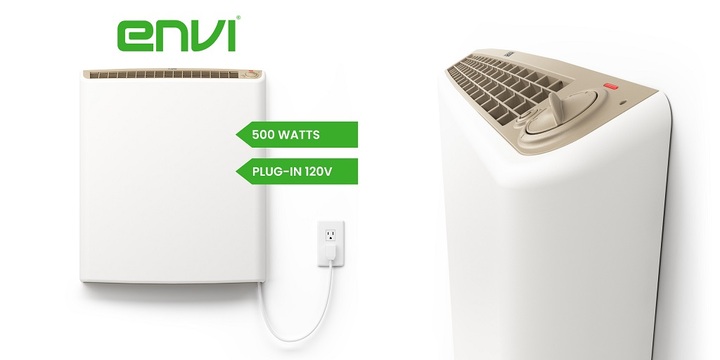
Old homes have real character. They come with plaster walls, inadequate insulation, and zero ductwork. Retrofitting central heat into a century-old craftsman or a mid-century brick ranch can run $10,000 to $30,000 easily, and that's before anyone touches the floors or ceilings. For a lot of homeowners, the practical answer is a well-chosen electric wall heater, and the real question isn't whether to go that route but which type actually fits the space.
Which Electric Wall Heater Type Is Actually Right for Your Space?
Heating products get lumped together far more than they should. The main categories worth knowing are convection wall heaters, radiant wall panel heaters, and panel heaters electric units that mount flush against the surface. They work differently, and each one fits a different situation.
A convection wall heater pulls cool air in at the bottom, warms it over a heating element, and pushes warmed air out the top. It heats the air volume in the room, which makes it a better choice for larger living areas where you need general warmth throughout. A radiant wall panel heater does something different: it emits infrared heat that warms people and objects directly, similar to how sunlight feels warm even when the outdoor air is cold. You can run a good electric wall heater in the radiant category at a lower thermostat setting and still feel warmer, because the heat targets you, not just the cubic footage around you.
Wall mounted heaters beat portable electric room heater units in old homes. They stay put, keep the floor clear, and don't end up toppled over every time someone rearranges the furniture.
How an Electric Wall Heater Stacks Up Against Your Other No-Duct Options
The realistic contenders for a home with no existing ductwork: electric baseboard heat, ductless mini-splits, wood or pellet stoves, and wall-mounted electric units. Knowing where each one actually lands makes the decision less stressful.
Baseboard heat works, but it's slow to warm a room and eats up floor space along every wall where furniture can't go. Mini-splits are more effective per watt, but each zone requires professional installation, an outdoor condenser unit, and typically $2,000 to $4,000 per room. Wood and pellet stoves can heat a single room well, but only when someone is actively managing them, which is a real limitation for most people's daily schedules.
A properly sized electric wall heater used as supplemental electric heating in a cold bedroom or a drafty front room fits neatly in the gap. Wiring one in generally runs a few hundred dollars for an electrician. No condenser, no ductwork, no coordinating three different contractors.
The bathroom wall heater question deserves its own mention. Old houses tend to leave bathrooms as the coldest rooms in the place, cut off from whatever heating plan the rest of the house runs on. Size one unit to that room and it takes care of itself.
What to Know Before You Buy an Electric Wall Heater
Sizing matters more than any list of product features. Start at 10 watts per square foot for a moderately insulated room, but old homes typically need to go a size up because walls hold cold longer and drafts eat through heat faster than newer construction does.
An energy efficient wall heater in the residential range typically runs 750 to 2,000 watts, and most standard circuits handle 1,500 comfortably. Anything above that needs a dedicated 240V circuit.
Get the wattage wrong and the unit runs constantly. It costs more to run and wears down faster than it should. That's the whole reason sizing matters first.
Eheat's electric wall heater lineup covers exactly this kind of setup. Their product pages include sizing guidance built around real square footage, so the guesswork stays out of it.
-------------------------------------------------------------------
For More Information About Bathroom Heater and Heaters On Sale Please Visit: Eheat, Inc.