What a Plug-In Electric Heater Can Do About That One Cold Room in a Warm House
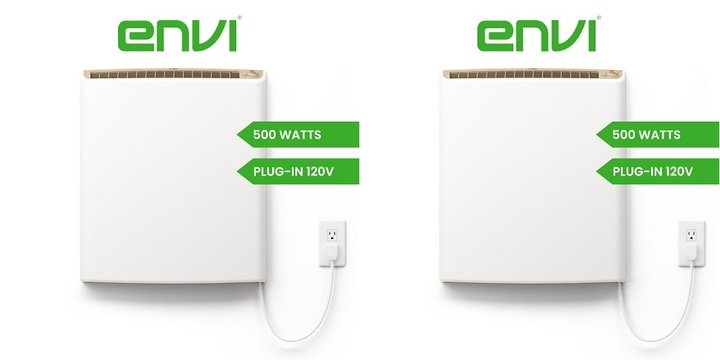
Every house has one. A room that runs cold while the rest sits at a comfortable temperature. The bedroom above the garage. The back office on the north side of the house. The sunroom everyone loves in summer and avoids from November through March. Adding more heat to the whole house doesn't fix it because the problem isn't the thermostat setting. The ductwork, insulation, or room geometry can't keep up. A plug-in electric heater addresses that room on its own terms, without pulling the rest of the system into it.
Rooms That Run Cold Don't Respond to Thermostat Fixes
Ductwork loses efficiency over long runs. A room at the far end of the house might receive half the airflow of a room near the furnace, even at full blast. Rooms with large windows, exterior walls on two or three sides, or ceilings that open to uninsulated spaces lose heat faster than the central system can replace it. Supplemental room heating fills that gap where central systems simply weren't designed to compensate. A dedicated plug-in electric heater in that room provides an independent source of warmth, so the temperature responds to the actual thermostat setting rather than to whatever the rest of the house happens to be doing.
Picking the Right Plug-In Electric Heater for a Room That Won't Cooperate
Room size and layout both factor into which type of heater is most effective. A low-wattage heater that pulls 750 to 1,000 watts is ideal for a small bedroom or office without tripping breakers or running up electricity costs. For rooms with limited floor space, a wall-mounted heater keeps the heating element off the ground. Finding the right plug-in electric heater for a tight space often means going vertical. A small electric wall heater works especially well in narrow guest rooms or bathrooms where a floor unit would create a tripping hazard or just crowd the space.
A convection wall heater fits naturally into rooms that need steady, even heat rather than a strong burst. Convection moves air slowly across a heating element and releases it gradually into the room, helping keep temperatures consistent without large swings. An electric panel heater operates on the same principle and mounts flush to the wall, out of the path of furniture and foot traffic. For anyone who wants to run heat without watching their electricity bill climb, an energy-efficient electric heater with a programmable thermostat makes a real difference. It heats to a set temperature, then cycles off. The heater plug-in stays active, but the element isn't drawing power continuously.
Does Running a Plug-In Electric Heater All Winter Actually Make Financial Sense?
The cost comparison usually favors the dedicated unit. Raising the whole-house thermostat by a few degrees to warm one room costs money in every room, including the ones that were already comfortable. Running a plug-in electric heater in one specific space targets the expense where the need actually exists. In a well-insulated room around 150 to 200 square feet, a 1,000-watt unit at average electricity rates costs roughly $1 to $1.50 per eight-hour day. The math changes by region and usage, but it rarely adds up to more than running the whole system harder all winter.
Whether the room justifies that cost depends on how much it gets used. A home office five days a week, a bedroom every night, a basement space someone actually spends time in. Those make the case. A guest room that sees traffic a few times a year probably doesn't.
Eheat's product lineup covers a range of plug-in electric heater options built around exactly this kind of targeted approach, worth a look for anyone tired of fighting a problem room every time temperatures drop.
For more information about Convection Heater and Heaters For Sale Please visit: Eheat, Inc