A Closer Look at THCa Rosin and Why It Stands Out
Posted by WNC CBD
440 views
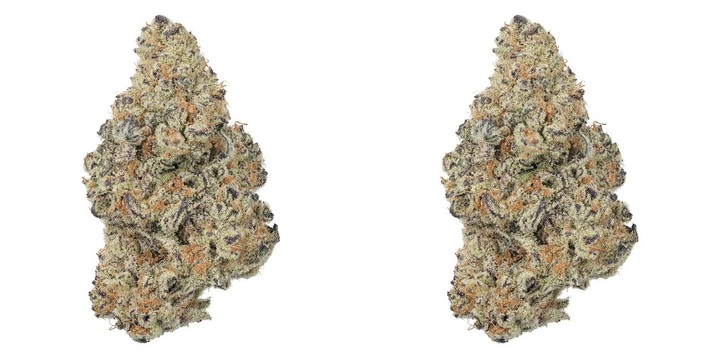
If you’ve been looking into cannabis concentrates, you’ve likely bumped into THCa Rosin. It’s often praised for being a clean and high-purity option, but what does that actually look like in practice? This article breaks down how it’s made, what’s inside, and how it holds up against other concentrates on the market.
What is THCa Rosin?
THCa rosin is a cannabis concentrate rich in tetrahydrocannabinolic acid (THCa), the non-psychoactive precursor to THC. In its raw form, THCa doesn’t produce intoxicating effects. When exposed to heat, it converts into THC, which is responsible for the familiar psychoactive experience.
What stands out is its composition. THCa rosin preserves a dense concentration of cannabinoids along with naturally occurring terpenes, which shape aroma and flavor. This combination results in a product that closely reflects the original plant, with minimal interference.
You may notice textures ranging from smooth and buttery to slightly crystalline. These variations depend on factors like extraction temperature and post-processing techniques.
How THCa Rosin is Made: The Solventless Extraction Process
The production of THCa rosin relies on a solventless method that uses only heat and pressure. It begins with carefully selected cannabis material, often fresh or expertly cured to maintain terpene integrity.
The plant material is placed in a press where controlled heat softens the resin while pressure extracts it. This process separates the resin from the plant without introducing external chemicals.
Precise temperature management is fundamental to the extraction process. Lower temperatures help retain delicate terpenes, preserving aroma and flavor. Pressure levels influence yield and consistency, requiring careful adjustment to achieve the desired result.
The outcome is a concentrated extract that captures the essence of the plant cleanly and directly.
Benefits and Potential Uses of THCa Rosin
THCa rosin offers flexibility depending on how it’s used. In its raw form, THCa is being studied for potential anti-inflammatory and neuroprotective properties, which may appeal to those interested in wellness-focused applications.
When heat is applied, the THCa converts into THC, producing effects that can include relaxation, mood shifts, or enhanced sensory perception. The terpene profile also contributes to the experience, influencing both taste and subtle variations in how the effects feel.
Its solventless nature is another key factor. Many people choose this type of concentrate because it avoids chemical extraction steps, focusing instead on mechanical separation.
Distinguishing THCa Rosin from Other Cannabis Concentrates
Understanding the differences between concentrates can help you choose what fits your preferences.
Live resin is made from frozen cannabis and extracted using solvents, which helps preserve flavor but involves chemical processing. BHO (butane hash oil) follows a similar approach, using butane to separate compounds from the plant.
THCa rosin uses only heat and pressure, resulting in a product that maintains a closer connection to the original plant profile. This method also influences appearance and texture, often producing a more opaque and creamy consistency compared to the glass-like look of some solvent-based extracts.
Guide to Buying and Storing High-Quality THCa Rosin
When selecting THCa rosin, the starting material makes a noticeable difference. High-quality cannabis leads to better aroma, flavor, and consistency in the final product.
Look for a stable texture with a slightly glossy finish. Strong, natural aroma can signal well-preserved terpenes. Products that appear overly dry or lack scent may have been stored improperly or kept for too long.
Proper storage helps maintain quality over time. Keep your rosin in an airtight container, away from light and heat. Cooler temperatures help preserve both potency and terpene content, ensuring a more consistent experience.
The Craft of Creating Premium THCa Rosin: From Plant to Product
Creating premium rosin requires attention at every stage. Cultivation practices influence cannabinoid levels and terpene development, while harvest timing affects overall quality.
During extraction, precise control of heat and pressure determines how much resin is collected and how well its characteristics are preserved. Small changes in these variables can shift texture, potency, and flavor.
This process reflects a hands-on approach where technique and material quality work together to produce a refined concentrate.
Explore Quality THCa Rosin with WNC
If you’re interested in exploring THCa rosin further, WNC offers products developed with careful sourcing and solventless extraction methods. Taking the time to choose well-crafted options can help you better understand the qualities that make this concentrate stand out.
For more information about Glass pipes and Indoor THCa Flower Please visit: WNC CBD.