How Robo Drain Keeps CPG Packaging Lines From Slipping When It Matters Most
Posted by Air & Vacuum Process Inc
Filed in Business 185 views
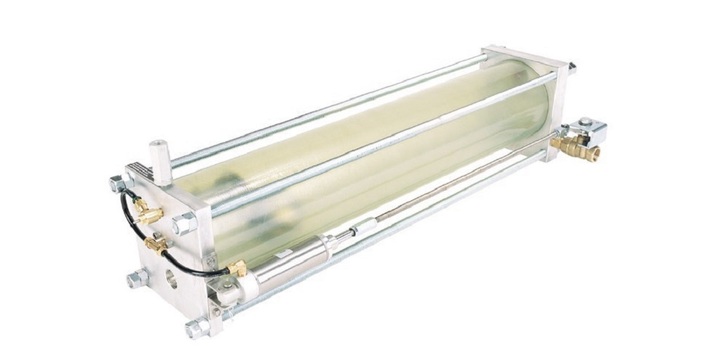
CPG lines don’t slow down to figure things out. They run hard, they run long, and they expose every weak point in your system. That’s where Robo Drain earns its place. It deals with the kind of buildup most teams ignore until something breaks, and it keeps packaging lines from losing rhythm when pressure is high.
Packaging operations depend on precision. Barcodes must scan. Seals must hold. Counts must stay accurate. Behind all that, vacuum systems and compressed air lines do the heavy lifting. A neglected compressed air system drain turns into a liability fast when condensate starts collecting where it shouldn’t.
Most teams don’t notice the problem right away. The line still runs, just not as clean. Then the misses start. Picks fail. Seals vary. Maintenance calls increase. That pattern always leads back to moisture.
Condensate Builds Faster Than Most Teams Expect And Robo Drain Handles It
Air carries moisture. That’s the starting point. Once you compress it, that moisture concentrates and turns into liquid at a much faster rate. High-cycle systems push even more volume through, which means more condensate forms across the day.
Facilities running continuous packaging lines see this in real time. Tanks fill. Lines collect moisture. Without a proper automatic condensate drain, that buildup moves downstream and starts affecting performance.
Robo Drain responds directly to that reality. It opens only when condensate is present, which keeps the system clean without releasing air. That behavior matters because airflow consistency keeps packaging equipment stable.
A standard electronic drain valve doesn’t operate with that same control. Timed discharge sends air out whether moisture is present or not. That creates pressure drops across the system, and those drops show up as inconsistent machine behavior.
Pressure Loss And Energy Waste Add Up Faster Than Most Plants Realize
Compressed air systems carry a hidden cost. Energy drives most of it. Once air leaves the system unnecessarily, compressors work harder to replace it. That cycle repeats all day.
Many plants accept that loss because it feels small in the moment. Over time, it builds into a real number. Facilities running multiple packaging lines feel it first. Pressure drops start affecting response times across vacuum systems and pneumatic equipment.
Robo Drain functions as a no-loss drain, which keeps compressed air inside the system where it belongs. It removes moisture without bleeding off pressure. That keeps system behavior steady and helps control energy use without adding complexity.
This approach supports long-term air compressor maintenance as well. Systems under stable pressure don’t strain as much. Components last longer. Maintenance stays predictable instead of reactive.
Moisture Inside Vacuum Systems Disrupts Packaging Accuracy And Robo Drain Keeps It Clean
Vacuum systems sit at the center of many packaging operations. They handle pick-and-place, forming, sealing, and product movement. When moisture enters those systems, airflow loses consistency.
That inconsistency shows up in small ways first. A missed pick here. A weak seal there. Then it spreads. Line efficiency drops. Operators start adjusting settings to compensate. That creates even more variation.
A solid condensate management solution keeps those variables under control. Robo Drain removes moisture at the point it collects, which protects vacuum stability. For teams running vacuum process equipment, that stability keeps output consistent across shifts.
Moisture also carries contaminants. Dust, oil, and residue move with it. In packaging environments, that mix builds up inside lines and components. Removing condensate early keeps those materials from spreading deeper into the system.
Debris, Residue, And Real-World Conditions Break Weak Drains Fast
Packaging plants don’t run in clean lab conditions. Paper dust floats through the air. Pet food lines generate fine particles. Cleaning chemicals leave residue behind. All of that finds its way into drainage systems.
A basic industrial drainage setup struggles in that environment. Valves clog. Timed drains fail to open or stay open too long. Maintenance teams end up chasing the same problem over and over.
Robo Drain handles those conditions with a design that clears condensate without constant intervention. It resists clogging and keeps flow consistent. That reduces the number of unexpected stops tied to drainage issues.
Teams spend less time fixing drains and more time keeping production moving. That shift in focus changes how the entire line operates.
Robo Drain Fits The Way Modern Packaging Systems Actually Run
Today’s packaging lines rely on coordination across systems. Air, vacuum, and mechanical components must stay aligned for output to hold steady. Small disruptions ripple across the entire operation.
Robo Drain supports that coordination without adding friction. It installs without electrical wiring. It runs based on real system conditions. It keeps moisture under control while preserving airflow.
That combination makes it a practical fit for facilities that demand consistency from their compressed air system drain setup. It supports uptime, keeps energy use in check, and reduces maintenance interruptions.
For operations reviewing their current drainage approach, Robo Drain offers a clear upgrade path. It addresses the problems teams deal with every day and keeps systems working the way they should.
More details about Robo Drain and related solutions can be found through Air & Vacuum Process, Inc., where system performance stays tied to real production demands.
For more information about Automatic Drain Valve and Quiet Compressor Please visit: Air & Vacuum Process Inc.