The Three Attributes of Steel to Consider in Hunting Knives
Posted by The Knife Connection
Filed in Business 60 views
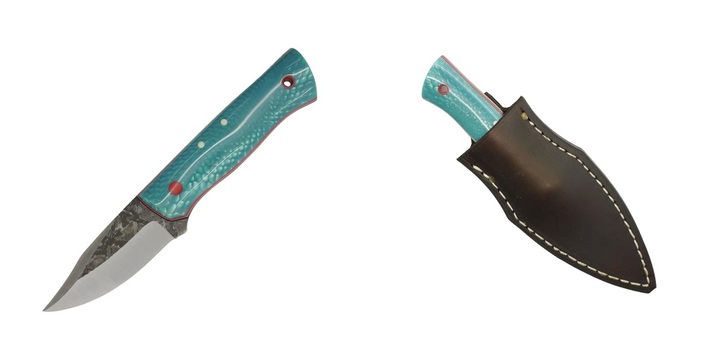
When it comes to the steel used in hunting knives, there are three main considerations you should take into account to determine if you’ll be getting something that’s designed to perform the way you need it to, or not.
Fortunately, hunting knives share these steel attributes in common with knives intended for other applications, like survival and bushcraft knives. It just so happens that what you might want in a hunting knife is a little different from what you’d want in, say, a bushcraft knife.
That being said, let’s dive right in.
Hardness/Wear Resistance (Edge Retention)
Hardness, also referred to as wear resistance, which yields edge retention, is one of the most important attributes in a steel that will be used to make a hunting knife.
The harder a steel is, the longer the edge will last before it needs to be sharpened again. It also will last longer when it comes into contact with bone, sinew, hair and feathers, all of which can incur surprising wear on the edge of a knife.
Now, this does not automatically mean that a knife with a harder steel is inherently better. It just is something to take into account. There are some who actually prefer hunting knives made with softer steels, like the 1095 steel used in ESEE Knives, precisely because the softer steel is easier to sharpen in the field.
Corrosion Resistance
Corrosion resistance is another primary steel attribute to consider in a hunting knife. Now, some hunting knives are marketed as “stainless” but make no mistake about it, any steel will rust if you provide it with the right encouragement.
That being said, the thing you want to look for in an alloy is chromium. The more chromium a knife steel has, the more stainless it will be. Anything north of 10% and the alloy is likely to resist rust well.
By the way, corrosion resistance in a hunting knife can be one of its most critical attributes, as hunting knives are often subjected to very harsh conditions on top of high humidity, which can cause most knife steels to rust. The more stainless a hunting knife is, the less maintenance it will exact of you.
Toughness
Lastly, we have toughness, which refers to how durable the knife steel is. In other words, how likely the edge or the blade is to chip or snap or roll under stress, or how likely the blade is to shatter when struck.
As a general rule, toughness is more important in bushcraft and camp knives and survival knives than it is in hunting knives, as most hunting knives are not abused in the same ways. Still, the tougher a knife is, the more you can rely on it in the field, and the less you need to worry about it experiencing a catastrophic failure.
Explore Hunting Knives from the Top Brands at The Knife Connection
Now that you know the three main things to look for in hunting knives with respect to knife steel, you just need to know where to get your next knife. Visit The Knife Connection. They carry hunting knives from the top brands along with a ton of useful accessories. Visit their website and if you have any questions, get in touch with them directly.
For More Information About Winkler Axe and Esee 5 Please Visit: The Knife Connection.