About the A2 Steel Used in Many LT Wright Knives
Posted by The Knife Connection
Filed in Business 223 views
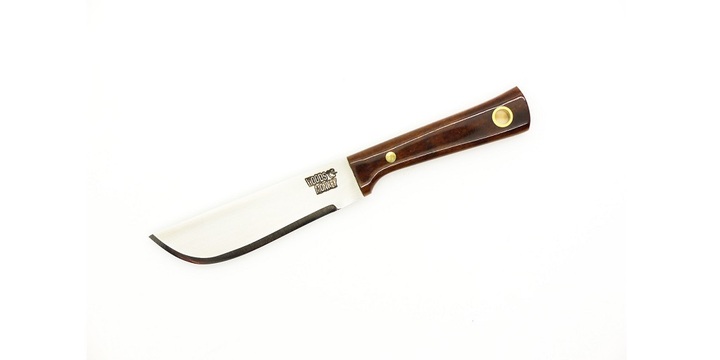
A2 steel is a dinosaur among knife steels, but thanks to a unique combination of properties, it is still in common use as a quality tool steel that still makes a good knife.
It is also fairly commonly used in LT Wright knives, alongside other tool steels like 1075 and AEB-L.
This short post will take a closer look at this tool steel, used in many LT Wright Knife models like the Maverick Scout.
Toughness, Wear Resistance, and More
Let’s start with steel chemistry. A2 steel contains 1% carbon, 5% chromium, 1% molybdenum, and a smidge of vanadium at .4%.
That 1% of carbon is a pretty common staple. It’s a common carbon concentration, very close to what 1095 offers as well.
This amount of carbon gives the steel a good ability to take a solid heat treatment, resulting in a hard edge and reasonable wear resistance.
The most interesting inclusion here is the 5% concentration of chromium. That amount is far too low to offer any real degree of corrosion resistance, but it is enough to give the alloy a reasonable degree of “air hardenability”.
As a result, knives made with A2 steel can be air hardened rather than quenched, which offers a higher degree of flexibility when the black stock is being forged.
It is also important to note here that this concentration of chromium will do little to nothing in the way of offering corrosion resistance to the steel, as a 5% concentration is just too low to make a steel stainless. So one thing you will need to bear in mind with A2 steel is that it will not resist rust well.
The addition of molybdenum to this alloy also improves hardenability here, which offers another edge in concert with the chromium included in the steel.
But, that’s not all molybdenum does. This element, when included in knife steel, also improves toughness and wear resistance, resulting in a steel alloy that is more resistant to abuse and consistent hard use.
Lastly, there is a small concentration of vanadium in A2 steel that is commonly used in LT Wright knives.
Vanadium, however, does not increase hardenability in a steel, though it does improve the grain structure of steel, and it also, critically, forms carbides in the steel matrix.
Think of vanadium carbide as a very hard material, almost like a ceramic; these carbides are distributed through steel alloys that bear them, and in that steel alloy they contribute considerable strength but primarily hardness.
Steels that are rich in carbides are harder and more wear-resistant than those that are not. The primary effect here is that steels with a high carbide concentration will hold an edge longer, which reduces the frequency with which you will need to sharpen the knife, all things considered.
Where to Explore More LT Wright Knives
Want to learn more about LT Wright knives that are made with A2 and other tool steels like 1075 and AEB-L? Visit The Knife Connection. They carry a wide range of LT Wright knives and can also help answer any questions you have left before you buy.
For more information about Winkler Axe and Karesuando Knives Please visit: The Knife Connection.