AGV Load Capacity
Posted by Herbert Jones
Filed in Technology 366 views
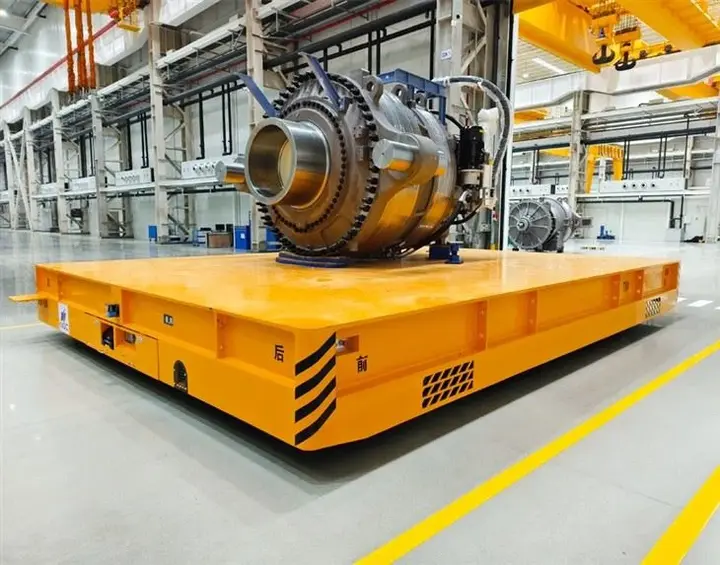
The load capacity of AGVs (Automated Guided Vehicles) is often one of the first questions raised by enterprise users. However, in practical engineering applications, the answer is not a simple numerical value; it is closely related to the application scenario, operational mode, and structural design.
Factors Affecting the Load Capacity of AGVs
| Vehicle Structure: The rigidity and torsional resistance of the vehicle frame must meet heavy-load requirements to prevent deformation that could impact operation. Materials such as high-strength steel and aluminum alloys can enhance the vehicle's load-bearing capacity, ensuring that it does not deform under heavy loads. Additionally, the number, diameter, and layout of the wheels also influence the load capacity of the AGV. For instance, larger diameter wheels can increase the contact area with the ground, improving load-bearing capacity.

| Power System: The motors must provide sufficient torque to drive the heavily loaded AGV. Insufficient power can lead to slow acceleration, difficulties in climbing, or the inability to start. If the battery capacity is too small, it can result in decreased endurance of the AGV.
| Safety Redundancy Design: Installing pressure sensors can automatically trigger alarms or stop operation when the load exceeds a set threshold. Heavy-load AGVs also need robust braking systems to stop quickly in emergencies.
Mainstream Load Capacity Range of AGVs
| AGV Type | Typical Load Range |
| Lightweight AGVs | 300kg - 1 ton |
| Medium-weight AGVs | 1 ton - 3 tons |
| Heavy-load AGVs | 3 tons - 10 tons |
| Super-heavy AGVs | 10 tons - 100 tons+ |
How to Determine Load Requirements for AGVs?
In practical projects, it is advisable to assess the load requirements from the following dimensions:
| Goods Weight and Center of Gravity: Determine the maximum weight of the goods to be transported, including individual pallets, boxes, or bulk materials. If the goods are large, ensure the AGV's load platform can accommodate them to avoid load capacity restrictions. Additionally, evaluate the center of gravity of the goods; if the weight distribution is uneven, calculate the maximum localized load to ensure safe operation under both full and partial loads.
| Handling Scenario: For e-commerce warehousing, generally, a lightweight AGV with a capacity of 500kg to 1 ton will suffice. In contrast, if used in manufacturing, such as an automotive assembly line, where transporting engine assemblies may require AGVs with a load capacity exceeding 3 tons. For ports needing container handling, custom heavy-load AGVs may be necessary.
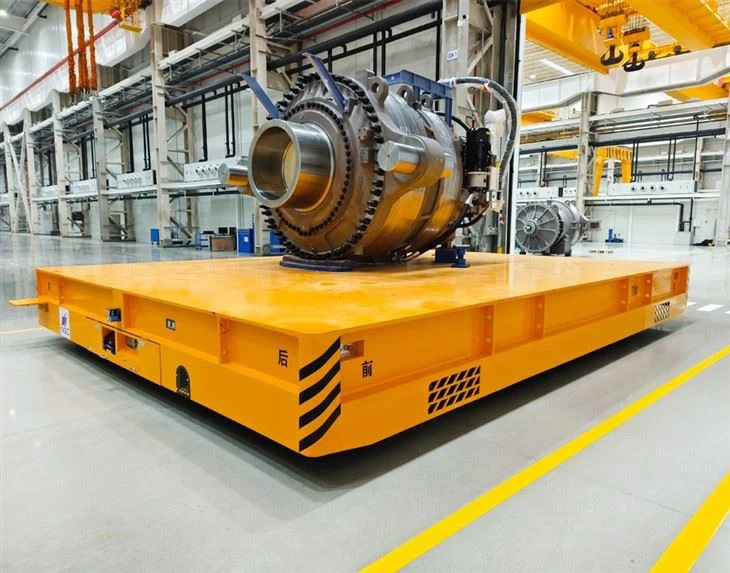
| Ground Load-Bearing Capacity: Calculating the ground load-bearing capacity is an often-overlooked aspect. It requires the total weight of the AGV at full load (AGV weight + goods weight) combined with the AGV's track width and tire contact area to determine the pressure on the ground per unit area. Ensure that the ground's load-bearing capacity exceeds the maximum pressure created when the AGV is in operation to prevent ground settling or damage.
Misunderstandings About AGV Load Capacity: Higher Capacity is Always Better
| Cost and Cost-Effectiveness Imbalance: High-capacity AGVs typically come at a higher price, along with increased maintenance costs (e.g., battery replacement, component wear). If the actual weight of the goods being handled is significantly lower than the maximum load, it equates to paying for unnecessary excess capacity, thus reducing return on investment. For the handling of electronic components, light industrial products, etc., AGVs with capacities of 500kg to 1 ton are sufficient to meet needs.
| Limited Flexibility: Heavy-load AGVs are often larger and have greater turning radii, potentially restricting movement in narrow aisles, dense storage, or complex layouts, thereby impacting logistics efficiency.
| Increased Energy Consumption: High-capacity AGVs require more powerful systems and larger battery capacities, leading to higher energy consumption. This can result in increased charging frequency or reduced endurance, affecting continuous operational capabilities.
Image Source: Demark-filling & Rmktransfercart