What Rosacea Treatment means in medical context
Posted by Bisma dynamic
Filed in Health 303 views
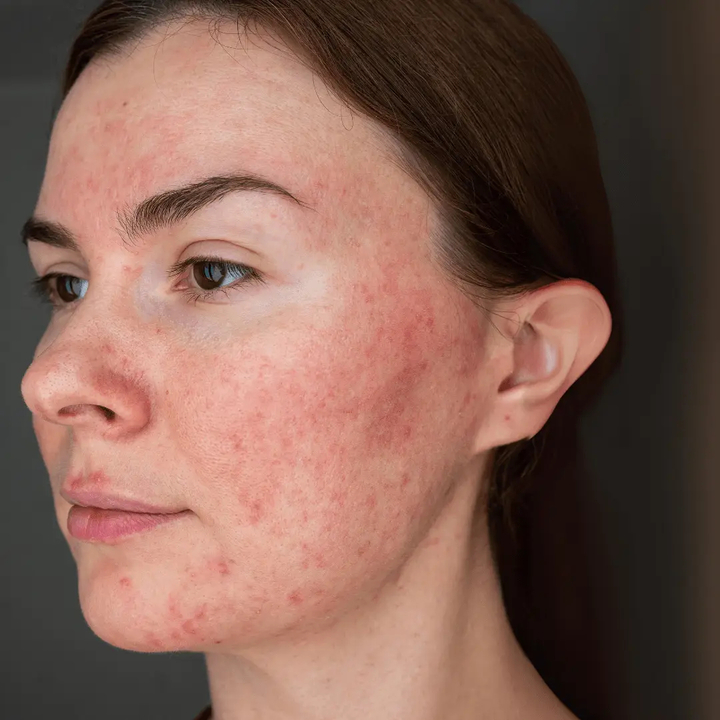
Rosacea Treatment refers to a medically guided approach used to manage a chronic inflammatory skin condition that primarily affects facial blood vessels, causing persistent redness, visible capillaries, sensitivity, and sometimes acne-like bumps. In dermatology practice, it is not defined as a single procedure but rather a combination of strategies aimed at controlling flare-ups and improving skin stability over time. In Dubai, individuals often seek professional evaluation for long-term skin redness concerns, including consultations where options such as Rosacea Treatment in Dubai are discussed in a clinical setting, with support available at centers like Dynamic Clinic in Dubai as part of broader dermatological care.
In medical terminology, Rosacea Treatment is centered on identifying the subtype of the condition, understanding its triggers, and applying targeted interventions that reduce inflammation and vascular reactivity rather than offering a permanent cure.
Medical Understanding of Rosacea in Dermatology
From a clinical perspective, rosacea is a chronic inflammatory disorder that primarily affects the central face, including the cheeks, nose, chin, and forehead. It is associated with neurovascular dysregulation, meaning the blood vessels in the skin become overly reactive to environmental and internal triggers.
Doctors classify rosacea into different patterns, which helps guide treatment direction:
- Erythematotelangiectatic rosacea: persistent redness and visible capillaries
- Papulopustular rosacea: acne-like breakouts with inflammation
- Phymatous rosacea: thickening of skin, often around the nose
- Ocular rosacea: irritation affecting the eyes and eyelids
Each type requires a slightly different management plan, making medical evaluation an important step in defining what Rosacea Treatment should include for an individual.
Common Symptoms and Trigger Factors
Rosacea is influenced by both genetic predisposition and environmental triggers. Symptoms tend to fluctuate, often worsening with exposure to certain conditions.
Common symptoms include:
- Persistent facial redness or flushing
- Visible small blood vessels
- Burning or stinging sensation on the skin
- Small red bumps or pustules
- Skin sensitivity to skincare products
- Eye dryness or irritation in some cases
Common triggers include:
- Hot or cold weather extremes
- Sun exposure without protection
- Spicy foods and hot beverages
- Emotional stress or anxiety
- Alcohol consumption
- Harsh skincare products
Understanding these triggers is an essential part of Rosacea Treatment because symptom control often depends on lifestyle modification alongside medical care.
Diagnostic Approach in Clinical Practice
Diagnosis of rosacea is primarily clinical, meaning it is based on physical examination and patient history rather than laboratory testing. Dermatologists evaluate the pattern of redness, skin sensitivity, and flare-up frequency to differentiate rosacea from similar conditions such as acne, eczema, or allergic reactions.
A structured diagnostic approach may involve:
- Visual skin assessment under normal and magnified conditions
- Detailed discussion of symptom history
- Review of environmental and lifestyle triggers
- Evaluation of eye involvement in suspected ocular rosacea
This process ensures that Rosacea Treatment is accurately tailored, preventing unnecessary or ineffective interventions.
Management Principles in Rosacea Treatment
Medical management focuses on long-term control rather than short-term correction. Since rosacea is chronic, treatment aims to minimize flare-ups and improve skin comfort over time.
Key principles include:
- Topical therapies: Used to reduce inflammation and redness
- Oral medications: Sometimes prescribed for moderate or severe cases
- Laser and light-based therapies: Target visible blood vessels and redness
- Barrier repair skincare: Supports skin sensitivity and hydration balance
- Trigger avoidance strategies: Reducing exposure to known aggravating factors
Consistency is essential, as irregular management often leads to recurring symptoms. In modern dermatology, combination approaches are commonly used for better control.
Rosacea Awareness and Skin Health in Dubai
In regions like Dubai, environmental factors such as high heat, humidity, and sun exposure can influence rosacea flare-ups. This makes preventive skincare and early consultation particularly important for individuals experiencing persistent facial redness.
Awareness of Rosacea Treatment in a medical context helps individuals distinguish between temporary irritation and a chronic dermatological condition. Early identification supports better long-term outcomes and reduces the likelihood of progression into more advanced stages.
Conclusion
Rosacea Treatment in medical terms represents a structured, evidence-based approach aimed at controlling a chronic skin condition through diagnosis, symptom management, and trigger regulation. It is not limited to one solution but involves a combination of dermatological strategies tailored to each patient’s condition and skin response patterns.