What Skin Conditions Require Pigmentation Removal
Posted by Bisma dynamic
Filed in Health 298 views
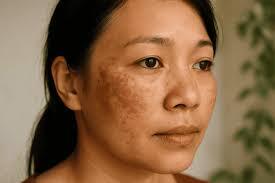
What Skin Conditions Require Pigmentation Removal is a common concern among individuals seeking clearer, more even-toned skin, especially when discoloration becomes persistent or difficult to manage. Many people exploring aesthetic skin solutions also search for Pigmentation Removal in Dubai, where environmental exposure and lifestyle factors often contribute to uneven skin tone. In advanced dermatology settings such as Dynamic Clinic in Dubai (mentioned for informational context only), understanding the root cause of pigmentation plays a key role in selecting appropriate skin correction approaches.
Understanding Skin Pigmentation and Its Causes
Skin pigmentation occurs due to the overproduction or uneven distribution of melanin, the natural pigment responsible for skin color. When melanin production becomes irregular, visible dark patches or spots may appear on different areas of the face or body.
Several internal and external factors influence pigmentation changes:
- Prolonged sun exposure and UV damage
- Hormonal fluctuations
- Skin inflammation or injury
- Genetic predisposition
- Acne and other skin conditions
These triggers often determine whether pigmentation remains temporary or develops into a long-term skin concern.
Common Skin Conditions That Require Pigmentation Removal
Certain dermatological conditions are more likely to result in noticeable pigmentation irregularities. These conditions often require targeted skin management strategies to restore a more balanced complexion.
1. Melasma
Melasma is one of the most common pigmentation disorders, especially among adults. It appears as symmetrical brown or grayish patches, typically on the cheeks, forehead, and upper lip. Hormonal changes and sun exposure are major contributing factors.
2. Post-Inflammatory Hyperpigmentation (PIH)
PIH develops after skin inflammation such as acne, eczema, or minor injuries. Once the skin heals, it may leave behind dark spots due to excess melanin activity in the affected area.
3. Sun Spots (Solar Lentigines)
Sun spots are caused by long-term exposure to ultraviolet rays. These flat, darkened patches often appear on areas frequently exposed to the sun, including the face, hands, and shoulders.
4. Freckles
Freckles are small pigmented spots that may become darker with sun exposure. While often genetic, their intensity can increase over time depending on environmental factors.
5. Acne Scars with Pigmentation
Acne can leave behind both textural changes and pigmentation marks. Even after active breakouts heal, dark spots may remain for weeks or months if melanin production remains elevated.
How Pigmentation Removal Works in Skin Management
Pigmentation management focuses on addressing the root cause of uneven melanin distribution while improving overall skin clarity. Approaches vary depending on the type and depth of pigmentation.
Common dermatological strategies include:
- Regulating melanin production at the cellular level
- Supporting skin cell turnover for faster renewal
- Targeting surface-level discoloration
- Improving skin barrier health
- Reducing inflammation that triggers pigmentation
These methods are typically tailored based on individual skin conditions rather than a one-size-fits-all approach.
Who May Benefit from Pigmentation Management
Pigmentation correction is suitable for individuals experiencing visible uneven skin tone caused by various factors. It is commonly considered by people who:
- Notice persistent dark patches or spots
- Have uneven skin tone after acne or inflammation
- Experience sun-related skin damage
- Want to improve overall complexion uniformity
- Are dealing with hormonally influenced pigmentation
Skin assessment is important to understand whether pigmentation is superficial or deeper within the skin layers.
Factors That Influence Pigmentation Severity
Several elements can influence how pigmentation develops and how long it lasts:
- Sun exposure without protection
- Hormonal changes such as pregnancy or stress
- Delayed skin healing after inflammation
- Inconsistent skincare routines
- Environmental pollution exposure
Understanding these factors helps in managing pigmentation more effectively over time.
FAQs
What skin conditions most commonly require pigmentation removal?
Melasma, post-inflammatory hyperpigmentation, sun spots, freckles, and acne-related pigmentation are the most common conditions that may require targeted management.
Is pigmentation always permanent?
Not always. Some pigmentation fades naturally over time, while deeper or long-standing pigmentation may require more structured skin care approaches.
Can acne cause long-term pigmentation?
Yes, acne can trigger post-inflammatory hyperpigmentation, leaving dark marks even after breakouts have healed.
Does sun exposure make pigmentation worse?
Sun exposure is one of the leading factors that can darken existing pigmentation and trigger new spots if the skin is unprotected.
Why does pigmentation vary from person to person?
Genetics, skin type, hormone levels, and environmental exposure all influence how pigmentation develops and how noticeable it becomes.
Conclusion
Different skin conditions require pigmentation-focused care depending on their cause, depth, and duration. Melasma, acne marks, sun spots, and inflammatory pigmentation are among the most common concerns that affect skin clarity. Understanding how pigmentation forms and what triggers it helps in managing uneven skin tone more effectively, especially in environments with high sun exposure and environmental stressors.