Lightweight and Durable Packaging for Pet Food Shipping
Posted by Lara Walker
Filed in Business 540 views
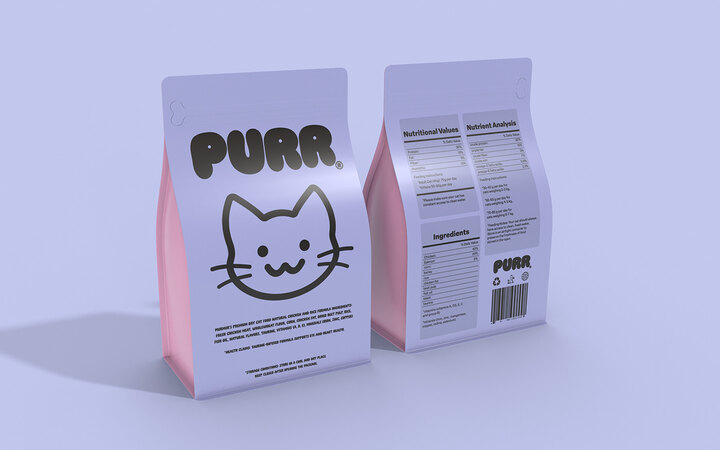
In the pet food industry, ensuring that products reach consumers in fresh and safe condition is paramount. The right packaging not only protects the product but also enhances brand reputation and customer satisfaction. Lightweight and durable solutions are increasingly preferred for shipping, as they reduce transportation costs while maintaining product integrity. One essential solution in this regard is moisture-resistant pet food packaging, which safeguards pet food against environmental factors that could compromise quality.
Why Moisture Resistance Matters in Pet Food Packaging
Pet food, whether dry kibble or wet formulations, is highly sensitive to moisture. Exposure to humidity can lead to clumping, spoilage, and microbial growth. Incorporating moisture-resistant pet food packaging ensures that the product maintains its texture, flavor, and nutritional value throughout the supply chain.
Key benefits include:
-
Extended shelf life: Prevents premature spoilage and preserves freshness.
-
Maintained texture and flavor: Avoids clumping and degradation of taste.
-
Reduced returns and complaints: Customers receive products in optimal condition, improving brand trust.
Using advanced materials such as multi-layer films, laminated barriers, and coated cartons allows manufacturers to provide this protection without adding significant weight to the packaging, which is vital for shipping efficiency.
Materials Commonly Used in Lightweight Pet Food Packaging
Selecting the right materials is crucial to achieve both durability and reduced shipping costs. Modern pet food packaging leverages innovative solutions:
-
High-barrier films: Multi-layer laminates that block moisture, oxygen, and light.
-
Paperboard cartons with barrier coating: Sturdy, lightweight, and recyclable options.
-
Biodegradable films: Eco-friendly alternatives that reduce environmental impact while offering moderate moisture resistance.
These materials are combined with structural designs like stand-up pouches, gusseted bags, and rigid boxes, which provide stability and ease of stacking during shipping.
Advantages of Lightweight Packaging for Shipping
Lightweight packaging offers multiple advantages, particularly in logistics and supply chain management:
-
Lower shipping costs: Reduced weight translates to lower fuel consumption and transport expenses.
-
Eco-friendly shipping: Less material and lighter loads contribute to reduced carbon footprint.
-
Ease of handling: Warehouse staff and delivery personnel can manage packages more efficiently.
Despite the reduction in weight, the packaging must remain durable enough to protect products from mechanical stress, accidental drops, and punctures during transit.
Ensuring Food Safety with Food-Grade Packaging
All pet food packaging must comply with safety regulations to ensure that products are safe for animal consumption. Food-grade packaging for pets guarantees that the materials used do not leach harmful substances into the food.
Important considerations include:
-
Non-toxic inks and coatings for printed packaging
-
Barrier layers to prevent contamination from external pollutants
-
Sealed closures such as zippers or heat seals to prevent accidental exposure
By using certified food-grade materials, brands demonstrate commitment to product quality and animal health, fostering trust among consumers.
Incorporating Biodegradable Solutions
Sustainability is becoming a priority in packaging, and biodegradable pet food packaging addresses both environmental concerns and consumer preferences.
-
Compostable pouches: Made from plant-based films, they decompose naturally.
-
Recyclable cartons: Paper-based boxes with water-resistant coatings offer a sustainable alternative without compromising durability.
-
Reduced plastic usage: Helps meet eco-conscious consumer expectations while maintaining protection against moisture.
Brands adopting biodegradable solutions benefit from positive brand perception and differentiation in a competitive market.
Tamper-Evident Features for Enhanced Security
Tamper-evident packaging is essential for pet food shipped over long distances. Tamper-evident pet food packaging provides visible indicators if a package has been opened or altered, ensuring product integrity from manufacturer to consumer.
Common techniques include:
-
Heat-sealed pouches: Securely sealed and difficult to reseal without visible damage
-
Perforated tear strips: Easily opened by customers but indicate tampering if removed prematurely
-
Shrink bands or caps: Additional layer of security for jars or bottles
These features not only protect pets from contaminated food but also help brands maintain credibility and trust.
Design Considerations for Lightweight Pet Food Packaging
Functionality is critical, but packaging design should also attract consumers and communicate brand identity. Effective designs include:
-
Clear labeling: Nutritional information, feeding guidelines, and ingredient lists
-
Vibrant graphics: Catch the eye on retail shelves and online images
-
Custom shapes and sizes: Stand-up pouches, boxes, and multi-pack options enhance convenience and display
By combining aesthetic appeal with structural functionality, brands ensure both consumer satisfaction and logistical efficiency.
Benefits of Using Custom Product Packaging for Pet Food
Customization is key to meeting diverse business needs. Incorporating tailored solutions allows brands to optimize moisture-resistant pet food packaging for their specific products and shipping requirements. Benefits include:
-
Brand differentiation: Unique designs help products stand out in a crowded market
-
Enhanced protection: Custom inserts or compartments reduce movement and prevent damage
-
Optimized shipping: Tailored dimensions reduce wasted space and shipping costs
Partnering with a reliable custom product packaging provider ensures that packaging aligns with both marketing goals and logistical demands.
Conclusion
The pet food industry requires packaging solutions that balance durability, lightness, and protection. Moisture-resistant pet food packaging ensures freshness, prevents spoilage, and maintains the nutritional integrity of products. By integrating food-grade materials, biodegradable options, and tamper-evident features, brands can protect their products and demonstrate commitment to quality.
Lightweight designs reduce shipping costs, improve handling, and contribute to sustainability, while custom product packaging enhances brand recognition and customer satisfaction.
Investing in smart packaging strategies not only safeguards pet food during transit but also strengthens a brand’s reputation in the competitive pet market. By focusing on durability, safety, and design, manufacturers can deliver products that delight both pets and their owners.