Why Video Coaching is a Must-Have Feature in Modern Fitness App Development?
Posted by Steve Jonas
Filed in Technology 329 views
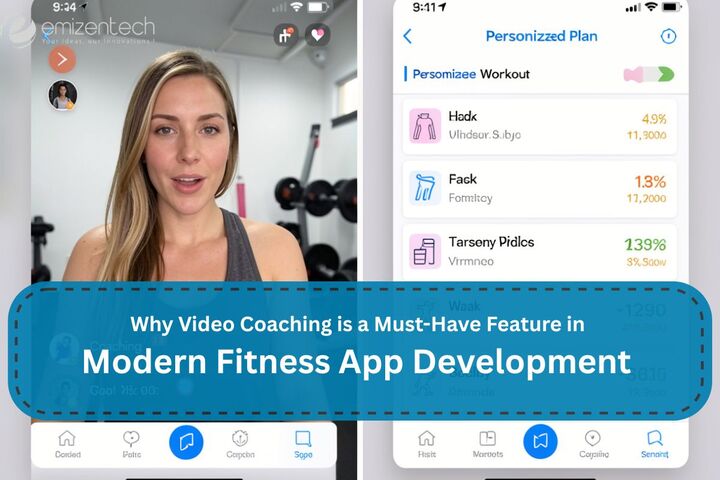
The fitness app landscape has evolved far beyond static workout plans and basic tracking. In today’s market, users expect interactive, guided, and experience-driven platforms that replicate real-world training as closely as possible. This shift is exactly why video coaching has become a must-have feature in modern fitness app development rather than just an optional enhancement.
Video coaching is no longer just about showing exercises—it plays a direct role in user retention, engagement, and monetization. Apps that fail to include this feature often struggle to keep users active beyond the initial usage phase.
It Replicates Real-World Training in a Digital Format
One of the biggest limitations of early fitness apps was the lack of proper guidance. Text-based instructions and static visuals often left users unsure about posture, pace, and execution.
Video coaching solves this by delivering clear, visual demonstrations that users can follow in real time. This significantly improves workout accuracy and reduces the chances of injury. More importantly, it builds user confidence, which is critical for long-term consistency.
By replicating the experience of a personal trainer, video coaching transforms a passive app into an active training environment.
Direct Impact on User Retention and Engagement
User drop-off is one of the biggest challenges in fitness apps, especially within the first week. Video coaching directly addresses this problem by making workouts more structured and engaging.
Instead of reading instructions, users participate in guided sessions that feel immersive and goal-driven. This increases session duration and encourages repeat usage.
Key engagement benefits include:
-
Longer workout session time
-
Higher completion rates for programs
-
Increased daily and weekly app usage
-
Reduced early-stage user drop-offs
These factors make video coaching one of the most impactful features for improving retention metrics.
Enables Scalable Personalization at Content Level
Modern fitness apps are built around personalization, and video coaching enhances this by delivering tailored content experiences.
Instead of offering one-size-fits-all workouts, apps can provide structured video programs based on user goals, fitness levels, and preferences. Beginners can start with guided basics, while advanced users can follow more intense routines.
When combined with technologies like AI fitness app development, video content can adapt dynamically—ensuring users always receive relevant workouts at the right stage of their journey. This level of personalization significantly improves user satisfaction and long-term engagement.
Builds Trust Through Human-Led Experiences
Fitness is not purely functional—it is emotional and motivational. Users are more likely to stay consistent when they feel guided by a real presence rather than an automated system.
Video coaching introduces this human element into the app. Seeing a trainer demonstrate exercises, explain techniques, and provide encouragement builds trust and credibility. It reduces hesitation and creates a stronger psychological connection with the app.
This trust factor is often what separates apps that users try once from those they rely on daily.
Drives Strong Monetization Opportunities
From a business perspective, video coaching is a high-value feature that directly supports revenue growth. Users are more willing to pay for guided, structured, and premium-quality content compared to basic tracking features.
Fitness apps can leverage video coaching through multiple monetization models:
-
Subscription-based workout programs
-
Premium video content libraries
-
Live coaching or trainer-led sessions
-
Exclusive member-only fitness series
This makes video coaching not just an engagement tool, but a core revenue driver.
Aligns with the Shift Toward On-Demand Fitness
The rise of on-demand services has significantly influenced user behavior in the fitness industry. People now prefer flexible workout options that fit their schedules rather than fixed gym routines.
Video coaching supports this shift perfectly by allowing users to access guided workouts anytime, anywhere. This flexibility increases adoption and makes fitness more accessible to a broader audience.
As a result, apps that integrate video coaching are better aligned with current market expectations.
Technical Considerations for Implementing Video Coaching
While video coaching offers clear benefits, implementing it effectively requires strong technical planning. It is not just about embedding videos—it involves building a system that supports performance, scalability, and seamless user experience.
Key technical factors include:
-
Smooth video streaming without buffering
-
Efficient content delivery and storage
-
Integration with user data for personalization
-
Scalability to handle large user volumes
This is why businesses often rely on a specialized fitness app development company to ensure that video features are implemented without compromising performance or scalability.
How Video Coaching Impacts Fitness App Success Metrics
Beyond user experience, video coaching has a measurable impact on key business metrics.
It directly contributes to:
-
Higher user retention rates
-
Increased session duration
-
Better workout completion rates
-
Higher conversion to paid subscriptions
These improvements make video coaching one of the most ROI-driven features in modern fitness apps.
Conclusion
Video coaching has evolved from an optional feature into a core component of successful fitness apps. It enhances engagement, improves retention, enables personalization, and creates strong monetization opportunities.
In a competitive market where user attention is limited, apps that provide guided, interactive experiences are far more likely to succeed. For businesses investing in fitness app development, integrating video coaching is no longer a choice—it is a necessity for building a scalable and high-performing product.