Custom Golf App Development vs Ready-Made Solutions: Which Is Better?
Posted by Steve Jonas
Filed in Technology 8 views
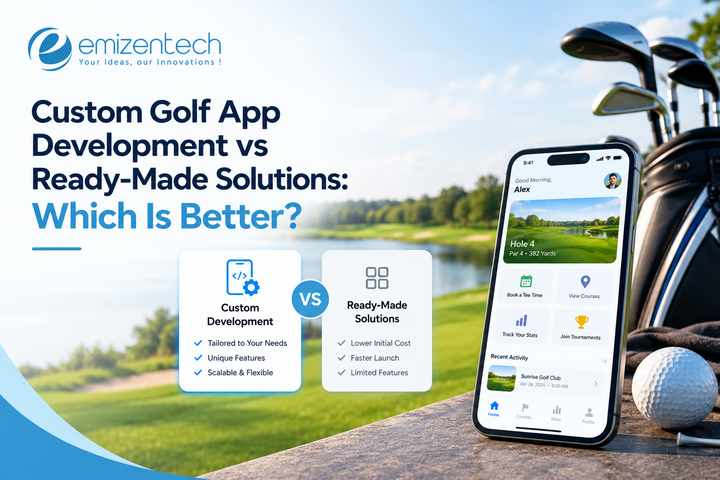
Golf courses, clubs, and equipment brands are increasingly turning to mobile apps to manage tee time bookings, track scores, and keep members engaged between visits. As demand grows, most businesses face the same early decision: buy an off-the-shelf platform or build something from scratch. The right choice depends less on trends and more on what the business actually needs today and where it plans to be in a few years. This article walks through both paths, what each involves, and how to figure out which one fits a given golf business.
What Is a Ready-Made Golf App Solution?
A ready-made golf app is a pre-built platform that golf courses or clubs can license and configure with their own branding, course details, and pricing. These solutions typically come with standard features already built in, such as tee time booking, digital scorecards, GPS rangefinders, and membership management. Because the core functionality is already developed and tested, a course can usually go live within weeks rather than months.
Pros:
-
Faster to launch, often within weeks rather than months
-
Lower upfront cost since core features are already built
-
Proven reliability, as major bugs are typically already resolved through wide use
Cons:
-
Generic features that may not match a specific course's layout, loyalty structure, or booking rules
-
Recurring license fees regardless of actual usage
-
New feature requests depend on the vendor's own product roadmap, not the course's priorities
What Is Custom Golf App Development?
Custom golf app development means building an application from the ground up around a specific business's requirements, rather than adapting an existing template. This could include a golf course chain that wants a single app to manage bookings across multiple properties, or a golf tourism operator that needs to combine course reservations with travel packages and local recommendations. Every feature, from the booking flow to the loyalty program structure, is designed around how that particular business actually operates.
Pros:
-
The app fits the business rather than the other way around
-
A course with a unique membership tiering system doesn't have to force that structure into a generic app's rigid settings
-
Custom builds scale more easily as a business grows, since new features, integrations, or additional locations can be added without hitting a vendor's built-in limits
-
Easier to stand out from competitors using the same off-the-shelf app
Cons:
-
Building custom software means paying for design, development, and testing, all of which take longer than switching on a pre-built platform
-
A golf course chain building a custom app for the first time should expect a multi-month project rather than a multi-week one
-
Ongoing maintenance becomes the business's own responsibility rather than a vendor's
Key Differences Between Custom and Ready-Made Golf Apps
Beyond the general trade-offs, a few concrete differences tend to matter most when comparing the two approaches directly.
Cost structure
Ready-made apps usually involve lower upfront costs but ongoing subscription fees; custom apps require a larger initial investment with fewer recurring platform charges.
Time to launch
Ready-made platforms can go live in weeks; custom golf app development typically takes several months from planning to release.
Scalability
Custom apps are easier to expand as a business adds locations, services, or new booking logic; ready-made platforms may cap what can be added.
Customization
Custom builds allow full control over design, features, and workflow; ready-made apps limit changes to what the vendor's settings allow.
Data ownership
With custom development, the business typically owns the codebase and data outright; with ready-made platforms, data often sits within the vendor's system.
Integration flexibility
Custom apps can connect with existing point-of-sale, CRM, or payment systems more precisely, while ready-made apps depend on whatever integrations the vendor already supports.
Which Option Fits Different Types of Golf Businesses
The right choice often comes down to the type and scale of the golf business making the decision.
Independent golf courses
A single, smaller course with a modest technology budget and straightforward booking needs is usually well served by a ready-made solution, since the standard feature set covers most day-to-day requirements.
Golf course chains or franchises
Businesses managing multiple properties under one brand often need consistent booking logic, shared membership data, and centralized reporting, which is harder to achieve with a generic platform built for single-location use.
Golf equipment and retail brands
Brands looking to combine product sales, loyalty programs, and course partnerships within one app usually need custom development, since this mix of features rarely exists in a single ready-made package.
Golf tourism and booking platforms
Operators connecting golfers with courses, accommodation, and travel logistics need flexible booking rules and third-party integrations that go beyond what most pre-built golf apps are designed to handle.
Factors to Consider Before Choosing
A few practical questions can help narrow down whether to invest in golf app development services or go with a ready-made platform.
Budget and timeline
A business that needs to launch quickly with limited funds will likely lean toward a ready-made platform, while one with a longer runway and clearer long-term vision may find custom development worth the wait.
Required integrations
If the app needs to connect tightly with an existing point-of-sale system, CRM, or payment processor, it's worth checking whether a ready-made platform supports that integration before assuming custom build is the only option.
Long-term growth plans
A course planning to add locations, new services, or loyalty programs within the next few years may find that a custom app avoids the cost of migrating platforms later.
In-house technical resources
Businesses without any internal technical staff should weigh whether they have the capacity to manage an ongoing golf app development relationship, or whether a supported ready-made platform is a better operational fit for now.
Conclusion
There isn't a single right answer to whether custom or ready-made is better for a golf business; it depends on budget, timeline, and how much the app needs to reflect a specific way of operating. A small course focused on getting online booking up quickly may do just fine with a ready-made platform, while a multi-location chain or a business combining several services will likely outgrow one faster than expected. Working through these questions with a development partner that understands both routes can make the decision clearer. EmizenTech works with golf businesses to evaluate these options and build solutions suited to how they actually run.
FAQs
1. What's the difference between custom and ready-made golf apps?
A ready-made app is a pre-built platform configured with a business's branding and settings, while a custom app is built from scratch around that business's specific requirements.
2. How much does custom golf app development cost?
Costs vary widely based on features and complexity, but custom builds generally involve a higher upfront investment than licensing a ready-made platform.
3. Are ready-made golf apps good enough for small golf courses?
For many smaller courses with standard booking needs, a ready-made platform covers the essentials without the cost or time of a custom build.
4. Can a ready-made golf app be upgraded later into a custom solution?
In most cases, a business would need to migrate to a new custom-built app rather than upgrade the existing platform, since the two are built on different foundations.
5. What features should a golf app include?
Common features include tee time booking, digital scorecards, GPS rangefinders, membership management, and payment processing, though the right mix depends on the business type.