What Acne Scars Respond Best to Chemical Peels for Acne Scars?
Posted by Dynamic Life Clinics dubai
Filed in Health 363 views
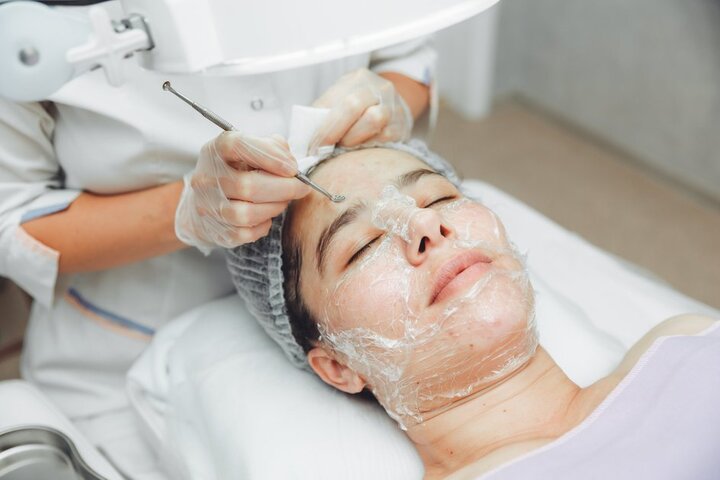
Acne scarring can affect skin texture, smoothness, and overall confidence, especially when marks remain long after breakouts have healed. In modern dermatology, Chemical Peels Treatment in Dubai is widely recognized for improving certain types of acne scars by exfoliating damaged skin layers and promoting new skin regeneration over time.
Understanding Acne Scars
Acne scars form when inflammation from acne damages the skin’s deeper layers. As the skin heals, it may produce too little or too much collagen, leading to uneven texture, discoloration, or indentations on the surface.
Why Some Scars Respond Better Than Others
Not all acne scars are the same. Some are located on the surface of the skin, while others extend deeper into the dermis. Chemical peels primarily work on the outer and middle skin layers, which makes certain scar types more responsive than others.
How Chemical Peels Work on Acne Scars
Chemical peels use controlled exfoliating solutions to remove damaged outer skin layers. This process encourages skin renewal, improves texture, and gradually reduces the appearance of mild to moderate acne scars.
Acne Scars That Respond Best to Chemical Peels
- Post-inflammatory hyperpigmentation (dark acne marks)
- Mild surface-level scars
- Shallow boxcar scars
- Uneven skin texture from past acne
- Red or brown acne marks
Post-Inflammatory Hyperpigmentation (PIH)
PIH is one of the most responsive concerns for chemical peels. These are flat dark spots left after acne heals. Since they sit on the upper skin layers, exfoliation helps fade them more effectively over time.
Surface-Level Acne Scars
Shallow scars that affect only the top layer of skin respond well because chemical peels can directly target and renew these damaged surface cells, leading to smoother skin texture.
Boxcar Scars (Mild Cases)
Mild boxcar scars, which have shallow, defined edges, may show improvement with repeated peeling sessions. While deeper versions may require additional treatments, lighter ones respond to exfoliation and collagen stimulation.
Uneven Skin Texture
Skin that feels rough or uneven after acne often improves with chemical peels. By removing dead skin buildup, peels help refine the surface and create a more even appearance.
Red Acne Marks (Post-Inflammatory Erythema)
Red marks caused by inflammation can gradually improve as chemical peels enhance skin renewal and improve overall tone consistency.
Acne Scars That Respond Less Effectively
- Deep ice pick scars
- Severe rolling scars
- Thick, deep boxcar scars
- Scar tissue with significant indentation
These deeper scars often require more advanced or combined treatments because chemical peels cannot fully reach the deeper skin layers where these scars form.
Why Depth of Scar Matters
The deeper the scar, the less likely it is to respond fully to surface-level exfoliation. Chemical peels are most effective when the damage is closer to the skin’s outer layer.
How Skin Renewal Improves Appearance
Chemical peels stimulate controlled exfoliation, encouraging the skin to replace damaged cells with healthier new ones. Over time, this improves smoothness, brightness, and overall texture.
Importance of Collagen Stimulation
Some chemical peels also support mild collagen production, which can help improve skin firmness and reduce the visibility of shallow scars gradually.
Factors That Influence Results
- Type and depth of acne scars
- Skin sensitivity and type
- Strength of chemical peel used
- Number of treatment sessions
- Post-treatment skincare routine
Why Multiple Sessions Are Needed
Acne scar improvement is gradual. Multiple peel sessions allow consistent exfoliation and skin regeneration, leading to better texture and more visible improvement over time.
How Skin Tone Improves with Treatment
In addition to texture improvement, chemical peels also help even out pigmentation, making the skin look brighter and more uniform overall.
FAQ's:
Which acne scars respond best to chemical peels?
Surface-level scars and dark marks respond best.
Do chemical peels remove deep scars?
No, deeper scars need advanced treatments.
How do peels improve skin texture?
They remove damaged outer skin layers.
Are results immediate?
No, improvements develop gradually.
Do peels help with dark acne marks?
Yes, they help fade pigmentation over time.
Conclusion
Chemical peels are an effective option for improving specific types of acne scars, especially those located on the skin’s surface. With Chemical Peels Treatment in Dubai, post-acne marks, mild scars, and uneven texture can gradually become smoother and more refined through controlled exfoliation and skin renewal. While deeper scars may require additional treatments, chemical peels remain a valuable solution for achieving clearer, brighter, and more even-looking skin over time.