Beginner’s Guide to IELTS: Key Exam Details
Posted by The Princeton Review
Filed in Other 851 views
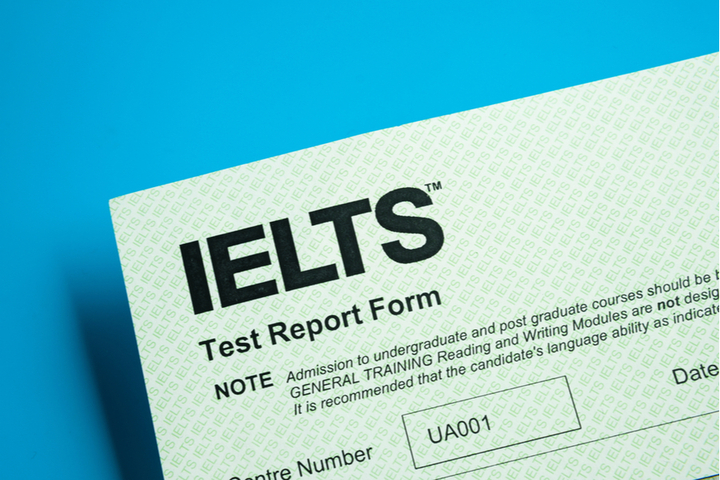
If you are planning to study, work, or migrate abroad, the IELTS exam is often one of the first requirements you will encounter. Designed to assess real-world English communication skills, IELTS is trusted by universities, employers, and immigration authorities worldwide. This beginner’s guide explains the key exam details you need to know before registering for the IELTS exam Singapore.
What Is IELTS?
IELTS stands for the International English Language Testing System. It measures how effectively you can use English in everyday, academic, and professional situations. The test is suitable for people whose first language is not English and is accepted by thousands of institutions across the globe.
There are two main test types:
- IELTS Academic – for higher education and professional registration
- IELTS General Training – for work experience, training, or migration
Choosing the correct version depends on your goals.
IELTS Test Format
The IELTS exam evaluates four language skills:
- Listening
- Reading
- Writing
- Speaking
The Listening, Reading, and Writing sections are completed on the same day, while the Speaking test may be scheduled separately. The total test time is approximately 2 hours and 45 minutes.
Each section is designed to reflect real-life language use, ensuring that candidates are assessed fairly and practically.
How IELTS Scoring Works
IELTS uses a 9-band scoring system. Each skill receives an individual band score, and the average of these forms your overall band score. Scores range from band 1 (non-user) to band 9 (expert user).
Different organizations require different scores. Universities, for example, often ask for bands between 6.0 and 7.5, depending on the course and institution.
Why IELTS Matters
IELTS is more than just an exam it demonstrates your ability to communicate effectively in English. A strong score can improve your chances of:
- University admission
- Visa approval
- Employment opportunities
Because the test evaluates practical communication skills, preparation should focus on understanding exam formats as well as improving language accuracy and confidence.
Preparation Tips for Beginners
If you are new to IELTS, start with the basics:
- Understand the test structure and timing
- Take a diagnostic test to assess your level
- Practice all four skills consistently
- Learn common question types and strategies
Beginners often benefit from structured study plans and guided practice to avoid confusion and wasted effort.
Final Thoughts
IELTS can seem challenging at first, but with a clear understanding of the exam format and scoring system, beginners can prepare confidently. Knowing what to expect helps reduce anxiety and allows you to focus on improving your English skills. With consistent preparation and the right resources, achieving your target band score is an achievable goal.