How to Identify Your Motherboard: Easy Methods for Every PC User
Posted by summy steve
Filed in Music 13 views
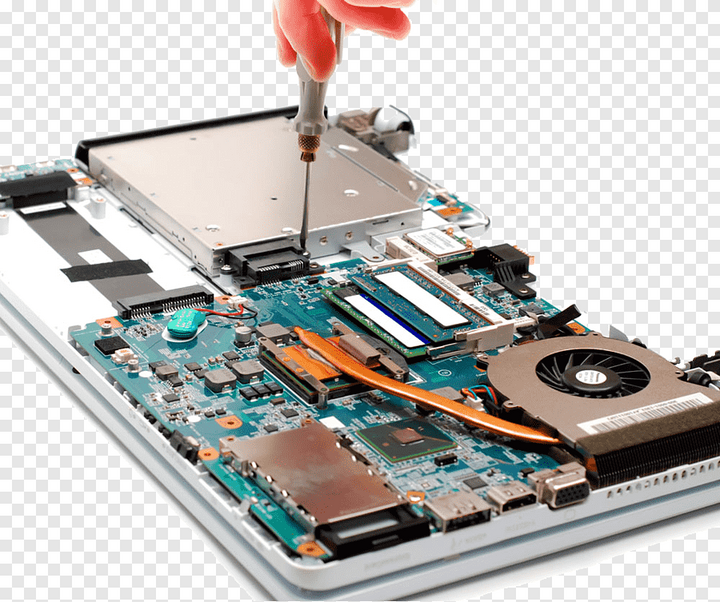
Your computer's motherboard is one of its most important internal components. It connects the processor, memory, storage, graphics card, and other hardware so that everything can work together. Despite its importance, many computer owners do not know the exact model of their motherboard.
That information becomes especially useful when you want to upgrade your PC, install new drivers, troubleshoot hardware, or replace a component. Fortunately, identifying a motherboard is usually easier than it sounds.
If you are wondering how to identify your motherboard, there are several methods you can use. Windows has built-in tools that can reveal motherboard details, while BIOS, physical inspection, and hardware information programs provide additional options.
Understanding Your Motherboard
Before looking for the model number, it is helpful to understand what the motherboard actually does.
The motherboard is the main circuit board inside a computer. It provides connections between the CPU, RAM, storage devices, graphics hardware, and other components.
It may include:
-
CPU socket
-
RAM slots
-
PCIe expansion slots
-
SATA connectors
-
M.2 slots
-
USB headers
-
Audio connections
-
Network hardware
-
BIOS or UEFI firmware
The motherboard's design determines which components your computer can support.
For this reason, identifying the motherboard is an important part of computer maintenance.
Why You Should Know Your Motherboard Model
You may need your motherboard information for several reasons.
Perhaps you want to upgrade your processor. Maybe you are adding more RAM or installing a faster SSD. You may also need to download a chipset driver or update the BIOS.
In each situation, the exact motherboard model helps you find accurate information.
Knowing the model can help you determine:
-
Supported CPUs
-
RAM compatibility
-
Maximum memory capacity
-
Storage options
-
Expansion capabilities
-
BIOS versions
-
Driver availability
-
Hardware limitations
Instead of making assumptions, you can use the manufacturer's specifications to make informed decisions.
Method 1: Find Your Motherboard With System Information
Windows System Information is one of the easiest ways to identify a motherboard.
Press Windows + R to open the Run window.
Type:
msinfo32
Press Enter.
The System Information window will open.
Scroll through the information until you find:
BaseBoard Manufacturer
This shows the motherboard manufacturer.
BaseBoard Product
This normally shows the motherboard model.
BaseBoard Version
This may show the motherboard revision.
Record the information exactly as displayed.
This method is quick, free, and does not require opening your computer.
Method 2: Identify the Motherboard With PowerShell
PowerShell offers another simple way to retrieve motherboard details.
Open PowerShell from the Start menu.
Enter:
Get-CimInstance Win32_BaseBoard | Format-List Manufacturer,Product,Version,SerialNumber
Press Enter.
The system should display motherboard information.
You can copy the results and save them for later use.
This method can be particularly convenient for users who are comfortable working with Windows command-line tools.
Method 3: Use Command Prompt
Command Prompt can also provide motherboard information.
Open Command Prompt and enter:
wmic baseboard get manufacturer,product,version,serialnumber
Press Enter.
The command may display the manufacturer, product, version, and serial number.
If WMIC is not available on your version of Windows, PowerShell is a good alternative.
Method 4: Check BIOS or UEFI
Another way to identify your motherboard is through BIOS or UEFI.
Restart the computer and press the correct key while it starts. Common keys include F2, Delete, F10, F12, and Esc.
The exact key depends on the computer or motherboard manufacturer.
Once you enter BIOS or UEFI, look for a system information page.
You may find:
-
Motherboard manufacturer
-
Motherboard model
-
BIOS version
-
Processor
-
Memory information
This method can be especially helpful if Windows will not boot.
If you are unfamiliar with BIOS settings, do not change anything. Simply find the information you need and exit.
Method 5: Look at the Motherboard
If Windows and BIOS do not provide enough information, you can inspect the motherboard directly.
This method works best with desktop computers.
Turn off your PC, disconnect the power cable, and carefully remove the side panel.
Look for printed model information on the motherboard.
Manufacturers often place the model number near the RAM slots, CPU socket, PCIe slots, or bottom edge of the board.
You may find a label containing a series of letters and numbers.
Write down the complete model number.
If the text is difficult to read, take a photograph and zoom in on it.
How to Identify a Laptop Motherboard
Identifying a laptop motherboard can require a different approach.
Laptop motherboards are usually customized for specific models and are located inside compact cases.
Start by opening Windows System Information.
Check:
-
System Manufacturer
-
System Model
-
BaseBoard Manufacturer
-
BaseBoard Product
-
BaseBoard Version
The laptop's exact model can often be used to find technical specifications from the manufacturer's support website.
If you need the information for a motherboard replacement, avoid opening the laptop unless you have the proper tools and experience.
Third-Party Hardware Information Software
Another option is a reputable hardware information program.
These applications can sometimes provide more detailed motherboard information than Windows.
Depending on the program, you may see:
-
Manufacturer
-
Motherboard model
-
Chipset
-
BIOS version
-
CPU socket
-
RAM slots
-
PCIe information
-
Storage interfaces
Use caution when downloading third-party software. Choose established sources and avoid applications that bundle unnecessary programs.
For basic identification, Windows tools are usually enough.
How to Identify Your Motherboard for a CPU Upgrade
If you want to upgrade your processor, motherboard identification is essential.
Start by finding the exact motherboard model. Then visit the manufacturer's specifications page.
Check the supported CPU list.
Important details include:
-
Processor socket
-
Supported CPU families
-
Chipset
-
BIOS requirements
-
Power specifications
A processor may use a socket that physically fits the motherboard but still be unsupported. BIOS compatibility can also affect whether a CPU works.
Always check the official CPU support list before purchasing a new processor.
How to Identify Your Motherboard for RAM Upgrades
RAM compatibility is another important consideration.
Your motherboard determines the type and amount of memory your system can use.
Before buying RAM, check:
-
Supported memory generation
-
Maximum capacity
-
Number of slots
-
Supported speeds
-
Recommended memory configuration
For example, a motherboard designed for one memory generation may not accept another generation.
Checking the motherboard specifications first can prevent an incompatible purchase.
Check Storage Compatibility
Motherboard identification is also important when installing new storage.
Depending on the motherboard, your computer may support SATA drives, M.2 SSDs, or both.
However, M.2 slots can have different specifications. Some may support different interfaces or sizes.
After identifying the motherboard, check the manufacturer's storage specifications before buying an SSD.
Check Expansion Slot Information
Your motherboard also determines which expansion devices you can install.
Graphics cards, network adapters, sound cards, capture cards, and other hardware may use PCI Express slots.
Before purchasing an expansion card, check the motherboard layout and available slots.
You should also consider the physical size of the computer case and the power supply.
Motherboard identification is therefore only one part of compatibility checking, but it provides important information.
What If Windows Shows the Wrong Information?
Sometimes Windows may display incomplete or generic motherboard information.
This does not necessarily indicate a hardware problem.
Some systems do not store complete motherboard identification data in firmware.
If this happens, try checking BIOS or UEFI. You can also inspect the physical board or use reputable hardware information software.
For branded desktop and laptop computers, the manufacturer's system model can also help identify the appropriate motherboard information.
How to Find the Motherboard Revision
Some motherboards have different hardware revisions.
The revision may appear as a number such as 1.0, 1.1, 2.0, or a similar format.
This information can matter when downloading BIOS updates or checking hardware compatibility.
If your motherboard has a visible revision number, record it along with the model.
Do not assume that every revision uses the same firmware.
Verify the Information Before Making Changes
After identifying your motherboard, verify the details before purchasing hardware or changing firmware.
Search for the exact model on the manufacturer's official website.
Compare the model number, chipset, board layout, and specifications.
This extra step is particularly important when downloading BIOS updates.
Using the wrong firmware can create serious problems, so always confirm the exact model before proceeding.
Keep Your Motherboard Details Saved
Once you have identified the motherboard, save the information.
You can create a simple hardware record containing:
-
Manufacturer
-
Model
-
Revision
-
BIOS version
-
Processor
-
RAM
-
Storage
-
Graphics card
This information can save time during future repairs or upgrades.
It can also make technical support conversations easier because you can provide accurate hardware details immediately.
Final Thoughts
Learning how to identify your motherboard is a useful skill for every computer owner. Whether you are troubleshooting a hardware issue, upgrading your RAM, replacing a processor, installing an SSD, or updating BIOS, the motherboard model provides valuable information.
For most users, Windows System Information is the easiest place to start. PowerShell and Command Prompt provide additional options, while BIOS or UEFI can help when Windows is unavailable. Desktop users can also inspect the physical motherboard if necessary.
Once you have the exact model, verify its specifications through reliable manufacturer documentation. Taking a few minutes to identify your motherboard can help you avoid compatibility mistakes and make future computer maintenance much easier.