Mental Health Counsellor Helping Manage Stress, Anxiety and Depression Effectively
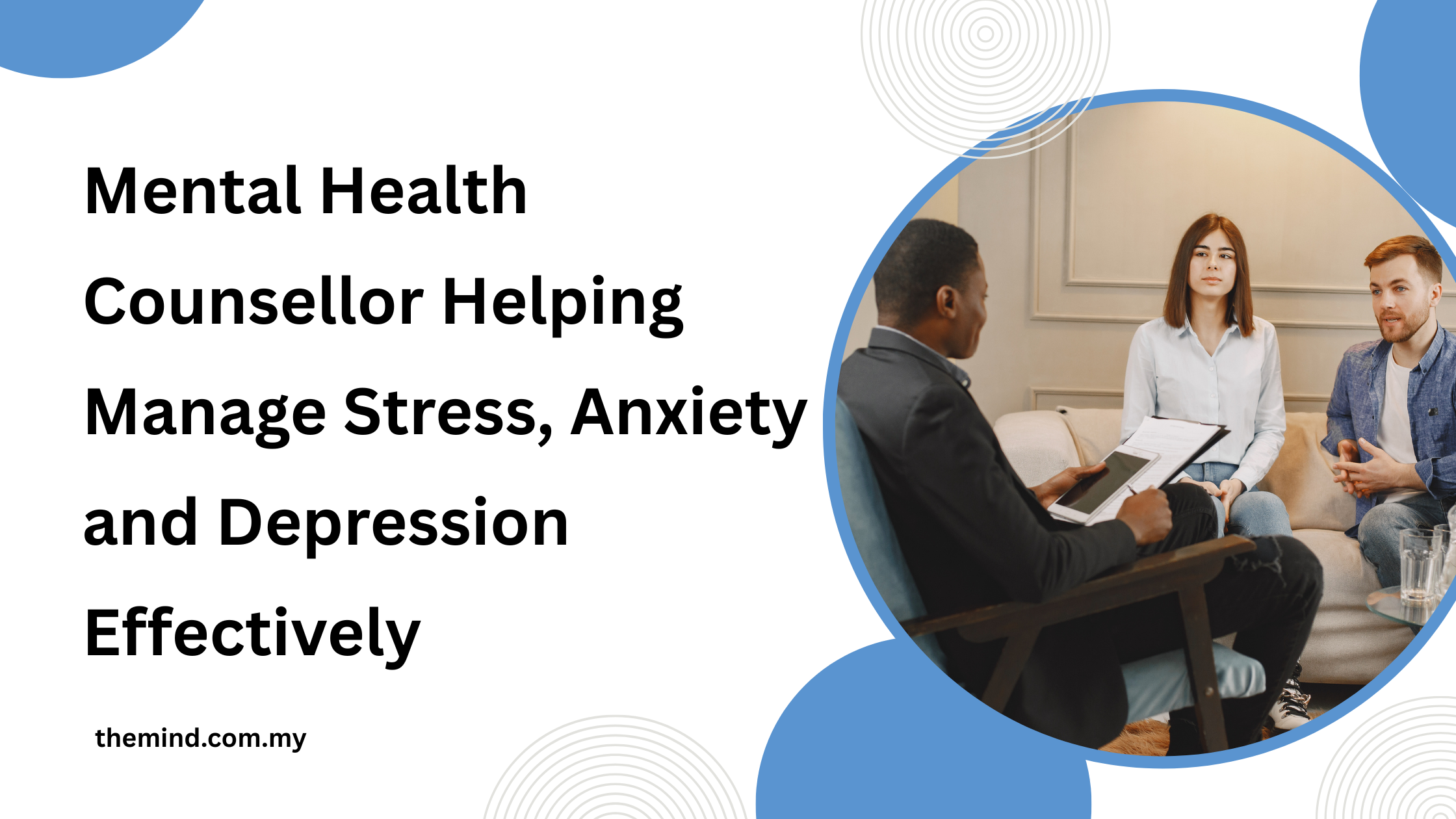
Mental health is an essential part of living a healthy and balanced life. However, the pressures of work, education, family responsibilities, financial concerns, and unexpected life events can sometimes become overwhelming. When stress, anxiety, or depression begin to affect daily life, seeking support from a mental health counsellor can be an important step toward recovery and emotional wellbeing.
A mental health counsellor provides professional guidance, evidence-based strategies, and a safe environment where individuals can openly discuss their concerns. Rather than facing emotional challenges alone, counselling empowers people to understand their feelings, build healthy coping skills, and improve their overall quality of life.
Understanding Stress, Anxiety and Depression
Everyone experiences stress from time to time. It is the body's natural response to challenges or demanding situations. While short-term stress can motivate people to complete tasks, ongoing stress may begin to affect both physical and emotional health.
Anxiety goes beyond ordinary worry. It often involves persistent fear, nervousness, or excessive concern about everyday situations. Individuals may experience difficulty concentrating, restlessness, rapid heartbeat, muscle tension, or trouble sleeping.
Depression is a mental health condition that can cause prolonged sadness, loss of interest in daily activities, fatigue, hopelessness, and changes in appetite or sleep patterns. Without appropriate support, these symptoms can interfere with work, relationships, and personal wellbeing.
Although these conditions affect people differently, professional counselling can provide practical tools to help individuals manage them effectively.
The Role of a Mental Health Counsellor
A mental health counsellor is trained to help individuals understand their emotions, behaviors, and thought patterns. Counselling sessions are confidential, supportive, and tailored to each person's unique experiences and goals.
A counsellor works with clients to:
Explore emotional challenges
Identify sources of stress
Understand negative thinking patterns
Develop healthier coping strategies
Improve communication skills
Strengthen emotional resilience
The goal is not simply to reduce symptoms but also to promote long-term emotional wellbeing and personal growth.
Helping Individuals Manage Stress
Modern lifestyles often involve juggling multiple responsibilities, which can lead to chronic stress. Left unmanaged, stress may contribute to burnout, poor concentration, sleep problems, and physical health concerns.
Mental health counsellors help individuals manage stress by teaching practical techniques such as:
Time management skills
Relaxation and breathing exercises
Mindfulness practices
Healthy problem-solving strategies
Work-life balance techniques
These approaches help clients respond more calmly to challenging situations and reduce the impact of stress on their daily lives.
Supporting Anxiety Management
Anxiety can make even routine activities feel overwhelming. Counsellors help individuals recognize anxiety triggers and understand how thoughts, emotions, and behaviors are connected.
Therapy often focuses on:
Challenging unhelpful thought patterns
Building confidence in managing uncertainty
Learning emotional regulation techniques
Developing healthy coping mechanisms
With consistent support, many individuals become better equipped to manage anxiety and regain confidence in their everyday activities.
Assisting Recovery from Depression
Depression can affect motivation, relationships, productivity, and overall quality of life. Counselling provides a compassionate and structured approach to recovery by helping individuals process emotions and rebuild healthy routines.
A mental health counsellor may assist clients by:
Identifying underlying emotional concerns
Encouraging realistic goal setting
Promoting positive lifestyle changes
Supporting emotional expression
Strengthening self-esteem and resilience
Recovery is often gradual, but professional guidance helps individuals make steady progress toward improved mental health.
Creating a Safe and Supportive Environment
One of the greatest benefits of counselling is having a confidential space where individuals can speak openly without fear of criticism or judgment.
Mental health counsellors create an environment based on:
Trust
Empathy
Respect
Active listening
Confidentiality
This supportive relationship allows clients to explore difficult emotions honestly and work toward meaningful solutions.
Building Long-Term Emotional Resilience
Counselling is not only about overcoming immediate challenges. It also equips individuals with lifelong skills that support ongoing mental wellness.
Through regular counselling, individuals often develop:
Greater self-awareness
Improved emotional regulation
Better communication skills
Increased confidence
Stronger problem-solving abilities
Healthier relationships
These skills help people navigate future challenges with greater resilience and emotional balance.
When Should You Consider Seeing a Mental Health Counsellor?
Seeking professional support can be beneficial if you experience:
Persistent stress or worry
Frequent feelings of sadness
Difficulty coping with daily responsibilities
Sleep disturbances
Relationship conflicts
Emotional exhaustion
Low motivation or self-esteem
Significant life changes or losses
Early support can often prevent emotional difficulties from becoming more severe and improve overall wellbeing.
The Benefits of Professional Counselling
Working with a mental health counsellor can lead to many positive outcomes, including:
Better stress management
Reduced anxiety symptoms
Improved emotional wellbeing
Enhanced self-confidence
Stronger coping skills
Healthier personal relationships
Improved work and academic performance
Greater overall life satisfaction
These benefits often extend beyond counselling sessions, helping individuals maintain positive mental health in the long term.
Conclusion
A mental health counsellor plays a vital role in helping individuals manage stress, anxiety, and depression effectively. By providing professional guidance, emotional support, and practical coping strategies, counsellors empower people to better understand themselves and respond to life's challenges with confidence.
Seeking counselling is a positive step toward improving mental health and achieving greater emotional balance. Whether you are facing ongoing stress, anxiety, or depression, professional support can help you build resilience, strengthen your wellbeing, and enjoy a healthier, more fulfilling life.