How to Find a Lost Phone in the Philippines Using GPS Location Tracking
Posted by Vl bookpro
Filed in Music 5 views
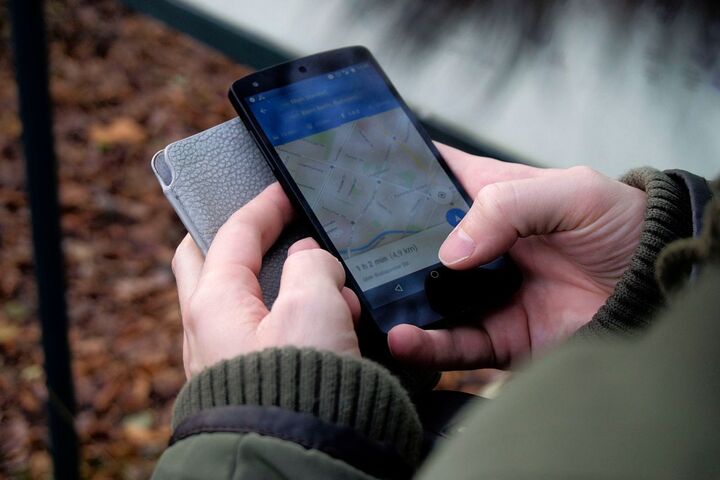
Losing a phone can become a serious problem, especially when it contains banking apps, personal photos, work files, contacts, and private messages. In the Philippines, GPS location tracking gives phone owners a practical way to locate a missing device, provided the required location and account settings were enabled before the phone was lost.
The process is not complicated, but timing matters. Most people skip this part: GPS tracking works best when the phone is still switched on, connected to the internet, and linked to the correct Google or Apple account.
How GPS Location Tracking Works
GPS uses satellite signals to estimate the phone's physical location. Modern smartphones also combine GPS with Wi-Fi networks, mobile towers, and other location signals to improve accuracy.
When a lost device has location services enabled, its connected account can often display its recent or current location on a map. The result is not always exact. Indoor locations, tall buildings, weak signals, and a switched-off phone can reduce accuracy.
This matters more in 2026 because smartphones are closely connected to cloud accounts and security services. A phone is no longer just a device. It is also an access point to many personal accounts.
For anyone searching for track lost phone Philippines options, understanding these location technologies is the first step. GPS itself does not recover a phone; it provides location information that can guide the recovery process.
Use Google's Find Hub on Android Phones
Android users can use Google's Find Hub to locate a missing smartphone. The service works through the Google account connected to the device.
The basic process is straightforward:
- Open Google's Find Hub on another phone or computer.
- Sign in with the Google account used on the lost phone.
- Select the missing smartphone from the available devices.
- Check the location shown on the map.
- Use available security options if the phone is nearby or cannot be recovered immediately.
The displayed location can help identify whether the phone is at home, in a vehicle, at work, or somewhere else.
A quick point often missed: the map location is evidence of where the phone was detected, not automatically proof that someone currently has it.
If the phone is nearby, the sound function can also be useful. A ringing phone can be easier to locate inside a room, vehicle, bag, or shop.
Find a Lost iPhone Through Apple Find My
For an iPhone, Apple's Find My network provides the main location-tracking option.
The owner can use another Apple device or access the Find My service through a supported browser. After signing in with the same Apple Account, the missing iPhone can be selected to view its location.
If the device is online, its location can often update more quickly. If it is offline, the last known location can still provide an important clue.
The Lost Mode feature is particularly useful. It can lock the iPhone and display contact information on the screen. This prevents a stranger from easily accessing the device.
Most importantly, a phone should not be removed from the owner's account simply because it has disappeared. Removing it can interfere with certain tracking and security protections.
What If the Phone Is Switched Off?
This is where expectations need to be realistic.
A switched-off phone cannot continuously transmit its live GPS position. However, newer Android and Apple devices can provide offline or recently detected location information under supported conditions.
The last known location can still be useful.
For example, if a phone was last detected near a shopping centre in Manila and then disappeared from the network, that location gives a starting point for checking the route, security desk, taxi, shop, or nearby area.
That said, GPS does not magically recover every lost phone. If the battery is completely dead, location information may stop updating.
Lock the Phone Before Trying to Recover It
Finding the location is only half the job. Securing the phone is equally important.
Android and iPhone security tools allow owners to lock a missing device and display a message or contact number. This can help an honest person return it without exposing private information.
A simple message such as “Phone lost. Please call this number” is often enough.
Most people focus on the map first, but account protection matters more if the phone contains banking or payment applications.
The owner should also contact the mobile network provider and ask about blocking the SIM or replacing it. This reduces the risk of unauthorised calls, messages, and account recovery attempts.
What to Do If the Map Shows an Unknown Location
A strange location can be worrying, but it does not automatically mean the phone has been stolen.
Location accuracy can vary. The displayed point might represent a nearby building, road, business, or Wi-Fi location rather than the exact room where the phone is located.
If the phone appears to be in a private residence or unfamiliar area, visiting the location alone is not advisable.
In the Philippines, contacting local authorities can be more appropriate when theft is suspected. The device's IMEI number, purchase records, screenshots, and location history can help establish ownership and provide useful information.
Another practical point: the owner should never share account passwords or verification codes with someone claiming to have found the phone.
Can the IMEI Number Track a Phone?
The IMEI number identifies a mobile device, but ordinary users cannot simply enter an IMEI number into a website and receive its live GPS location.
This is a common misunderstanding.
Telecommunications operators and authorised authorities can use network-related information under applicable procedures, but the IMEI itself is not a consumer GPS tracking tool.
The IMEI is still worth recording. It can help with device identification, network blocking, insurance claims, and police reports.
How to Improve the Chances of Recovery
GPS tracking works best when preparation happens before the phone disappears.
Important settings include:
- Location services enabled
- Google or Apple account connected
- Find Hub or Find My enabled
- Screen lock activated
- Mobile data or Wi-Fi available
- Device backup enabled
- IMEI number stored somewhere safe
A strong screen lock also protects personal data if the phone cannot be recovered.
Another point many users overlook: keeping the phone's operating system updated can improve access to newer security and tracking features.
Final Steps After Losing a Phone
The first priority is locating the device. The second is securing personal information. The third is documenting what happened.
The owner should check the tracking service, lock the phone, contact the mobile provider, protect important accounts, and report suspected theft through the appropriate local authorities.
For people searching for how to find a lost phone in the Philippines using GPS location tracking, the key is understanding that GPS is only one part of the recovery process. Google and Apple tracking systems, internet connectivity, account security, mobile networks, and local reporting procedures all work together.
A location pin can provide a valuable lead, but it does not guarantee recovery. Quick action, strong security settings, and careful handling of personal information remain the practical approach.