What to Know Before Starting a Custom Home Renovation
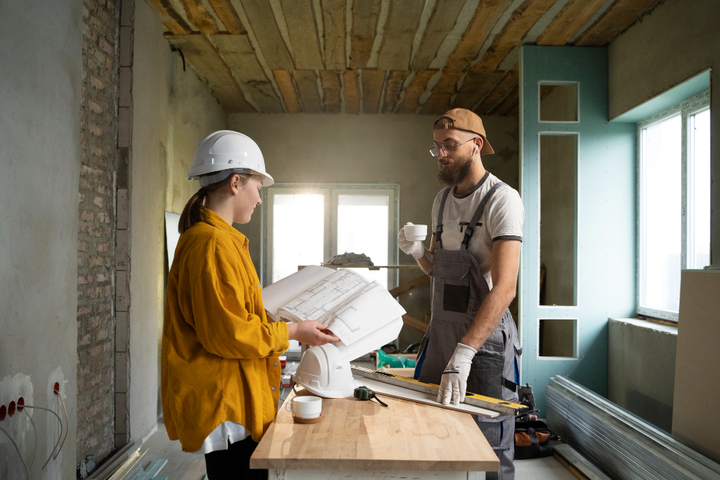
Renovating a home is an exciting opportunity to improve comfort, functionality, and style. However, a major renovation requires more than choosing attractive finishes and furniture. Homeowners need to consider planning, budgeting, design, materials, permits, contractors, and unexpected issues before construction begins. A clear plan can make the process easier and help prevent costly mistakes.
Whether you want to update one area or transform the entire property, understanding the renovation process will help you make better decisions. Taking time to prepare before work starts can also keep your project organized and aligned with your long-term goals.
Start With Clear Renovation Goals
The first step in any renovation is deciding what you want to accomplish. Think about which areas of your home need improvement and why. You may want a more functional kitchen, additional living space, updated bathrooms, better storage, or an entirely different layout. Defining your priorities will make later decisions much easier.
It is also helpful to separate essential improvements from features that would simply be nice to have. Structural repairs, electrical upgrades, plumbing problems, and water damage should generally receive priority over cosmetic changes. A clear list of goals gives your project a practical direction from the beginning.
Establish a Realistic Renovation Budget
Budgeting is one of the most important parts of home renovation planning. Before selecting materials or finalizing a design, determine how much you can comfortably invest in the project. Consider labor, materials, permits, design fees, demolition, waste removal, and other related expenses rather than focusing only on visible upgrades.
It is wise to keep a contingency fund for unexpected costs. Older homes, in particular, can reveal hidden problems once walls, floors, or ceilings are opened. Setting aside additional money gives you flexibility if your contractor discovers outdated wiring, damaged framing, plumbing problems, or other necessary repairs.
Decide What You Want to Change
A renovation can range from small improvements to a complete transformation. Create a detailed list of spaces and features you want to change. Consider how your household currently uses the home and what could make everyday activities easier.
For example, you might consider:
-
Reconfiguring an outdated floor plan.
-
Expanding or updating the kitchen.
-
Adding or remodeling bathrooms.
-
Improving storage and closet space.
-
Replacing old flooring and finishes.
-
Upgrading windows, doors, or insulation.
-
Creating a more functional living area.
Prioritizing these improvements helps you avoid unnecessary spending and keeps the project focused.
Think About Design and Function Together
Beautiful design is important, but a successful renovation should also make your home easier to live in. Consider traffic flow, furniture placement, natural light, storage, accessibility, and the needs of everyone who uses the property. A design that looks impressive but creates daily inconvenience may not provide lasting value.
When planning custom home remodeling, think about how the space will work several years from now. Your family may grow, your lifestyle may change, or you may need additional accessibility features later. Designing with the future in mind can make your investment more practical and valuable.
Understand Local Permits and Building Requirements
Depending on the type and location of your renovation, permits may be required before construction begins. Structural modifications, electrical work, plumbing changes, additions, and other significant alterations can involve local building requirements.
A professional contractor can help determine which approvals are necessary and coordinate the process when appropriate. Starting work without required permits can create delays, fines, or complications when you eventually sell your home. Always make sure your renovation follows applicable local regulations.
Choose the Right Contractor
The contractor you hire can significantly influence the quality and overall experience of your renovation. Look for a professional with relevant experience, clear communication, positive references, and a strong understanding of projects similar to yours.
When comparing contractors, consider the following:
-
Experience with projects of similar size and complexity.
-
Clear written estimates and project scopes.
-
References or examples of completed work.
-
Proper licensing and insurance where required.
-
Communication and project management practices.
-
A realistic construction timeline.
Do not automatically choose the lowest estimate. A surprisingly low bid may leave out important work or rely on lower-quality materials and labor.
Review the Contract Carefully
Before construction begins, make sure your agreement clearly explains what the contractor will provide. The contract should outline the project scope, materials, payment schedule, estimated timeline, responsibilities, and procedures for handling changes.
Pay particular attention to allowances and exclusions. If something is not clearly explained, ask questions before signing. Written documentation protects both the homeowner and contractor by creating a shared understanding of expectations.
Consider Materials Carefully
Choosing materials is another major part of a successful renovation. Appearance matters, but durability, maintenance, availability, and cost should also influence your decisions. A material that looks attractive may not be suitable for a high-traffic area or a room exposed to moisture.
For home renovation projects, consider how often each surface will be used and how much maintenance you are willing to perform. Quality flooring, countertops, cabinets, fixtures, windows, and doors can provide long-term value when they are selected according to the home's needs.
Prepare for Construction Disruptions
Even a well-planned renovation can temporarily disrupt your normal routine. Depending on the project, you may have limited access to kitchens, bathrooms, bedrooms, or other areas. Dust, noise, deliveries, and construction activity can also affect daily life.
Before work begins, decide where you will store furniture and belongings. Protect valuable items and create alternative arrangements for essential spaces. If the renovation involves a kitchen or bathroom, plan temporary solutions so the household can continue functioning comfortably.
Build a Practical Project Timeline
A renovation timeline helps homeowners understand when different stages should occur. However, it is important to remember that construction schedules can change. Material shortages, weather, inspections, design changes, and unexpected repairs may affect completion dates.
Discuss the expected timeline with your contractor before construction begins. Ask which milestones are most important and how delays will be communicated. A realistic schedule is more useful than a rushed promise that cannot account for unforeseen circumstances.
Plan for Energy Efficiency
A renovation is an excellent opportunity to improve your home's energy performance. Depending on the project, you may be able to upgrade insulation, windows, lighting, appliances, HVAC systems, or plumbing fixtures. These improvements can increase comfort while potentially reducing energy and water consumption.
Energy-efficient choices should be evaluated based on both initial cost and long-term savings. Investing in improvements that reduce operating expenses can make your renovated home more comfortable and economical over time.
Why Professional Planning Matters in Buffalo
Homeowners considering Custom Home Renovation in Buffalo should pay close attention to the property's existing condition and local environmental factors. Older properties may require additional inspections or updates before major changes can safely be completed. Seasonal weather can also influence exterior work, scheduling, and material considerations.
Working with an experienced renovation professional can help identify potential challenges before construction begins. A knowledgeable team can evaluate the existing structure, coordinate different trades, recommend suitable materials, and keep the renovation aligned with the agreed design and budget.
Avoid Changing the Plan Too Often
Changes during construction can increase costs and extend the timeline. While some modifications are unavoidable, making frequent design changes after work begins can create unnecessary complications.
Try to finalize major decisions before construction starts. Review layouts, finishes, fixtures, and materials carefully during the planning stage. If you need to make a change later, discuss the cost and timeline impact with your contractor before approving the work.
Conclusion
A successful home renovation begins long before demolition starts. Clear goals, realistic budgeting, thoughtful design, proper permits, quality materials, and the right contractor all contribute to a smoother experience. Preparing for unexpected issues and maintaining realistic expectations can also protect your investment.
Whether you are updating a single room or completely transforming your property, careful preparation helps turn your ideas into a functional and comfortable home. With professional guidance and a well-organized plan, your renovation can deliver lasting improvements that suit both your lifestyle and your property's future needs.
Frequently Asked Questions
1. How much should I budget for a custom home renovation?
The budget depends on the property's size, project scope, materials, labor, and structural requirements. It is important to obtain a detailed estimate and keep a contingency reserve for unexpected repairs or changes.
2. How long does a custom home renovation usually take?
The timeline varies depending on the size and complexity of the project. A small renovation may take several weeks, while a whole-home renovation can require several months. Your contractor should provide a project schedule before work begins.
3. How can I choose a reliable home renovation contractor?
Look for relevant experience, references, clear contracts, proper insurance or licensing where required, and strong communication. Compare detailed estimates rather than choosing a contractor solely because they offer the lowest price.