What Makes Someone a Good Candidate for Forehead Lift Surgery?
Posted by Enfield Oman
Filed in Health 380 views
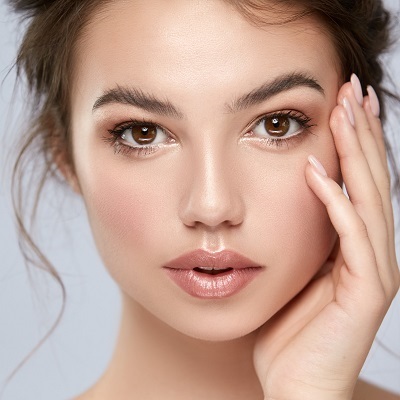
Forehead Lift Surgery in Muscat is a cosmetic procedure designed to rejuvenate the upper portion of the face. It can elevate sagging eyebrows, smooth deep forehead lines, and create a more youthful, refreshed appearance. However, not everyone is an ideal candidate. Understanding who benefits most from this procedure ensures safer outcomes, realistic expectations, and lasting satisfaction.
What is Forehead Lift Surgery?
Forehead lift surgery, often referred to as a brow lift, is a procedure that targets the forehead, brow, and sometimes the upper eyelids. It works by repositioning the skin, soft tissue, and muscles to:
-
Smooth horizontal forehead lines
-
Lift drooping eyebrows
-
Reduce frown lines between the brows
-
Restore a more alert, youthful facial expression
The surgery can be performed using techniques such as endoscopic lifts, traditional coronal lifts, or temporal lifts. The choice of method depends on the patient’s anatomy, goals, and the extent of correction required.
Why Choosing the Right Candidate Matters
Selecting an appropriate candidate is crucial for achieving natural, long-lasting results. Good candidates generally have healthy skin, realistic expectations, and a desire to improve their facial appearance without pursuing perfection. When candidates meet these criteria, recovery is smoother, and the aesthetic outcome aligns with their goals.
Ideal Age and Physical Health
Although there is no strict age requirement, forehead lift surgery is most commonly performed on individuals between 40 and 65 years old. This is when age-related changes—such as brow drooping and forehead wrinkles—become noticeable.
Key health considerations include:
-
Overall Physical Health: Patients should be in good general health with no serious medical conditions that could complicate surgery or healing.
-
Non-Smokers: Smoking impairs blood flow and can slow recovery. Patients are typically advised to stop smoking before and after surgery.
-
Stable Weight: Sudden weight fluctuations can affect facial appearance, so candidates should ideally maintain a stable weight.
-
Skin Quality: Good skin elasticity helps ensure smoother results, though forehead lifts can benefit a range of skin types.
Specific Facial Features and Concerns
Certain facial characteristics make someone an especially good candidate:
-
Sagging Eyebrows: Drooping brows can give the face a tired or stern appearance. Lifting the eyebrows restores a youthful, alert look.
-
Deep Forehead Lines: Horizontal forehead wrinkles can be softened significantly by repositioning skin and tissue.
-
Frown Lines Between Brows: Also called glabellar lines, these vertical wrinkles can create a stressed or angry expression.
-
Upper Eyelid Hooding: Patients with excess upper eyelid skin may benefit from a combined brow lift and eyelid procedure.
Candidates should have concerns that are primarily due to aging rather than unrelated medical conditions. For example, forehead lift surgery does not address fine lines caused by sun damage alone or facial asymmetry resulting from injury.
Realistic Expectations
One of the most critical factors in determining candidacy is the patient’s mindset:
-
Understanding Limitations: Forehead lift surgery improves natural facial contours but does not create a completely new face.
-
Desire for Natural Results: Candidates seeking subtle, balanced changes are more likely to be satisfied than those expecting dramatic transformations.
-
Commitment to Recovery: A willingness to follow post-operative instructions and allow adequate healing time is essential for optimal outcomes.
Patients with realistic expectations are generally happier with the results, experiencing increased confidence and satisfaction without disappointment.
Psychological Readiness
Emotional and psychological preparedness is just as important as physical health:
-
Confidence in Decision-Making: Candidates should undergo surgery for themselves, not due to external pressure.
-
Ability to Handle Temporary Changes: Swelling, bruising, and mild discomfort are part of the initial recovery process.
-
Mental Health: Stable mental health supports smoother recovery and realistic assessment of post-surgery appearance.
A mentally prepared patient is better equipped to navigate the healing stages and enjoy long-term benefits.
Common Conditions That May Affect Candidacy
While most healthy adults can undergo forehead lift surgery, certain conditions may influence the decision:
-
Chronic Medical Conditions: Heart disease, uncontrolled diabetes, or bleeding disorders may complicate surgery or healing.
-
Poor Skin Elasticity: Severely sun-damaged or extremely thin skin may limit the degree of achievable lift.
-
Prior Forehead or Brow Surgeries: Previous procedures can impact tissue flexibility and incision planning.
Patients with these concerns should consult with a qualified surgeon to determine whether modifications or alternative treatments are more appropriate.
Non-Surgical Alternatives
Not every individual is ready or suitable for surgery. Non-invasive options may temporarily improve the forehead and brow area, such as:
-
Botox or Dysport: Reduces forehead and frown lines by relaxing underlying muscles.
-
Dermal Fillers: Restore volume and soften wrinkles.
-
Thread Lifts: Provide a subtle lift using absorbable threads.
While these alternatives can be effective, they do not offer the long-term, dramatic results that a surgical forehead lift provides.
Recovery Considerations
Good candidates are prepared for the recovery process, which may include:
-
Swelling and bruising for 1–2 weeks
-
Temporary numbness or tingling in the forehead
-
Gradual fading of incision marks over several months
-
Restriction from heavy lifting or strenuous exercise for at least 2–3 weeks
Understanding these factors helps ensure a smoother recovery and reduces the risk of complications.
FAQs About Forehead Lift Surgery in Muscat
1. Who is the best candidate for forehead lift surgery?
Ideal candidates are generally healthy adults with sagging brows, forehead lines, or frown lines who have realistic expectations and good skin elasticity.
2. Is there an age limit for forehead lift surgery?
While most patients are between 40–65 years old, healthy adults outside this range may also be considered if they meet the physical and emotional criteria.
3. Can smokers undergo forehead lift surgery?
Smoking increases the risk of complications. Patients are usually advised to quit several weeks before and after surgery.
4. How long is the recovery period?
Most patients resume normal activities within 10–14 days, with full results visible after 2–3 months.
5. Are non-surgical alternatives effective?
Non-surgical treatments like Botox or fillers can improve appearance temporarily but do not provide the long-term lift achieved with surgery.
6. Can forehead lift surgery be combined with other procedures?
Yes, combining a brow lift with eyelid surgery or facial rejuvenation procedures is common for more comprehensive results.
7. How long do the results last?
Results typically last 7–10 years, although natural aging continues, and minor touch-ups may be desired over time.
Conclusion
Forehead lift surgery in Muscat is an effective solution for individuals looking to rejuvenate the upper face and restore a youthful appearance. The ideal candidate is in good physical and mental health, has realistic expectations, and exhibits signs of brow sagging or forehead lines that affect appearance or expression. By understanding candidacy criteria, patients can make informed decisions, enjoy a smooth recovery, and achieve natural, long-lasting results that enhance confidence and overall facial harmony.