North-East India’s Specialist EPC Contractor for Grid Projects
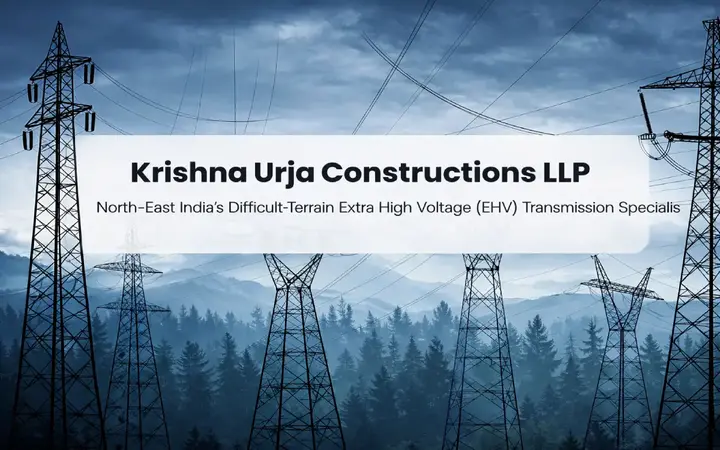
A strong power transmission and distribution network is essential for economic growth and social development. Industries, businesses, schools, hospitals, and households all depend on a reliable electricity supply. To make this possible, grid infrastructure must be planned, designed, and executed with precision.
In recent years, the North-Eastern region of India has witnessed significant improvements in power infrastructure. Governments and utility companies have been investing heavily in transmission lines, substations, and grid modernization projects to ensure uninterrupted electricity supply.
This is where a North-East India’s specialist EPC contractor plays an important role. EPC contractors handle the complete execution of power projects, from engineering and procurement to construction and commissioning. Their expertise helps ensure that complex grid projects are completed efficiently, safely, and within budget.
This article explores the importance of EPC contractors, their responsibilities, and why specialized expertise is essential for grid projects in North-East India.
Understanding EPC Contracting
EPC stands for Engineering, Procurement, and Construction. It is a project delivery model where a contractor takes responsibility for the entire project lifecycle.
The three main components include:
Engineering
Engineering involves planning, designing, and developing technical solutions for power infrastructure projects. This stage includes:
- Route surveys
- Grid planning
- Structural design
- Electrical design
- Safety assessments
- Project documentation
Proper engineering ensures that the project meets operational and regulatory requirements.
Procurement
Procurement involves sourcing and purchasing all necessary materials and equipment required for the project.
These may include:
- Transformers
- Transmission towers
- Conductors
- Insulators
- Switchgear
- Protection systems
- Control equipment
Effective procurement ensures quality materials are available at the right time.
Construction
Construction is the physical execution of the project. It includes:
- Site preparation
- Foundation work
- Tower erection
- Stringing of conductors
- Substation construction
- Equipment installation
- Testing and commissioning
The contractor manages all activities until the project becomes operational.
Importance of Grid Projects in North-East India
North-East India has unique geographical and infrastructural characteristics. The region consists of hills, valleys, forests, rivers, and remote settlements.
Because of these conditions, power infrastructure development requires specialized knowledge and experience.
Grid projects help the region by:
- Improving electricity access
- Supporting industrial growth
- Enhancing rural electrification
- Reducing transmission losses
- Increasing grid reliability
- Supporting renewable energy integration
- Encouraging economic development
Modern transmission infrastructure is essential for connecting remote areas and ensuring stable power distribution.
Why Specialized EPC Expertise Matters
Not every contractor can successfully execute grid projects in challenging terrains.
A North-East India’s specialist EPC contractor understands the region's specific requirements and can address unique challenges effectively.
Knowledge of Terrain
The North-East region includes mountainous and forested areas that can make construction difficult.
Specialized contractors understand:
- Terrain assessment
- Accessibility planning
- Site logistics
- Foundation requirements
- Environmental considerations
Their experience helps avoid costly delays and technical issues.
Understanding Weather Conditions
Heavy rainfall and seasonal weather changes can affect project schedules.
Experienced EPC contractors plan construction activities by considering:
- Monsoon conditions
- Flood-prone areas
- Soil stability
- Landslide risks
This helps maintain project progress while ensuring safety.
Regional Compliance Knowledge
Grid projects must comply with multiple regulations and standards.
Specialized contractors are familiar with:
- State regulations
- Central government guidelines
- Environmental requirements
- Safety standards
- Utility specifications
This ensures smooth project execution and approvals.
Major Components of Grid Infrastructure Projects
Grid projects involve multiple interconnected systems.
Transmission Lines
Transmission lines transport electricity from generating stations to substations over long distances.
Key activities include:
- Route surveys
- Foundation construction
- Tower erection
- Conductor installation
- Testing
Reliable transmission lines are essential for uninterrupted power supply.
Substations
Substations help regulate and distribute electricity across the network.
Functions include:
- Voltage transformation
- Load management
- System protection
- Network monitoring
Modern substations improve grid efficiency and operational reliability.
Distribution Infrastructure
Distribution systems deliver electricity directly to consumers.
These systems include:
- Distribution transformers
- Distribution lines
- Protection equipment
- Metering systems
Strong distribution infrastructure improves service quality and customer satisfaction.
Challenges in Grid Project Execution
Grid projects are large-scale undertakings that involve various challenges.
Difficult Accessibility
Many project sites are located in remote regions.
Challenges include:
- Limited road access
- Transportation difficulties
- Material handling issues
- Workforce mobilization
Experienced contractors develop effective logistics plans to overcome these obstacles.
Environmental Considerations
Grid projects often pass through environmentally sensitive areas.
Contractors must carefully manage:
- Forest clearances
- Vegetation management
- Wildlife protection
- Land restoration
Responsible project execution minimizes environmental impact.
Project Coordination
Multiple stakeholders are involved in grid infrastructure projects.
These may include:
- Government agencies
- Utility companies
- Equipment suppliers
- Local authorities
- Landowners
Proper coordination is essential for timely project completion.
Safety Management
Electrical infrastructure projects involve significant safety risks.
Professional EPC contractors implement:
- Safety training programs
- Risk assessments
- Protective equipment usage
- Emergency response procedures
Safety remains a top priority throughout the project lifecycle.
Benefits of Hiring a Specialist EPC Contractor
Choosing the right contractor can significantly impact project success.
Single Point Responsibility
One of the biggest advantages of EPC contracting is single-point accountability.
The contractor manages:
- Design
- Procurement
- Construction
- Testing
- Commissioning
This simplifies project management for clients.
Improved Project Efficiency
Specialized contractors have established processes and experienced teams.
Benefits include:
- Faster execution
- Better coordination
- Reduced delays
- Efficient resource utilization
This contributes to successful project delivery.
Cost Control
Effective planning and procurement help control project costs.
Specialist EPC contractors:
- Optimize resource usage
- Minimize wastage
- Manage risks effectively
- Reduce rework
This leads to better financial outcomes.
Quality Assurance
Quality is critical for power infrastructure projects.
Experienced contractors follow strict quality control procedures during:
- Material procurement
- Installation
- Construction
- Testing
High-quality execution improves long-term system reliability.
Technology in Modern Grid Projects
The power sector is increasingly adopting advanced technologies.
Modern EPC contractors utilize technology to improve project performance.
Digital Project Management
Digital tools help monitor project progress in real time.
Benefits include:
- Better scheduling
- Resource tracking
- Progress reporting
- Improved communication
This enhances project transparency and control.
GIS and Survey Technologies
Geographic Information Systems (GIS) support accurate route planning and design.
These technologies help:
- Reduce survey errors
- Improve route selection
- Optimize infrastructure placement
Accurate planning reduces future operational issues.
Advanced Testing Systems
Modern testing equipment ensures system reliability before commissioning.
Testing includes:
- Electrical performance verification
- Protection system checks
- Equipment functionality tests
- Safety inspections
Comprehensive testing improves overall project quality.
Supporting Renewable Energy Integration
India is rapidly expanding renewable energy generation.
Grid infrastructure plays a vital role in integrating renewable energy sources into the power network.
Specialized EPC contractors help develop infrastructure that supports:
- Solar power projects
- Wind energy projects
- Hybrid energy systems
- Energy storage solutions
Efficient transmission systems ensure renewable energy reaches consumers effectively.
Future of Grid Infrastructure in North-East India
The future of power infrastructure in North-East India looks promising.
Government initiatives and increasing energy demand are driving investments in:
- New transmission corridors
- High-capacity substations
- Smart grid technologies
- Rural electrification projects
- Renewable energy integration
As these developments continue, the need for experienced EPC contractors will grow.
Specialized contractors will play an essential role in building modern, reliable, and efficient power networks that support regional growth and development.
How to Choose the Right EPC Contractor
Selecting the right contractor is critical for project success.
Consider the following factors:
Experience
Choose a contractor with proven experience in power transmission and distribution projects.
Technical Expertise
Evaluate engineering capabilities, project management skills, and technical resources.
Safety Record
Review safety performance and compliance practices.
Quality Standards
Ensure the contractor follows established quality assurance procedures.
Resource Availability
Assess workforce strength, equipment availability, and supply chain capabilities.
Project Portfolio
Examine previous projects to understand their capabilities and performance.
A contractor with strong technical expertise and regional experience can significantly improve project outcomes.
Conclusion
Power infrastructure development is essential for supporting economic growth, industrial expansion, and improved living standards across the North-Eastern region of India. Grid projects require careful planning, technical expertise, quality execution, and strong project management to ensure long-term reliability.
A North-East India’s specialist EPC contractor brings the experience and knowledge needed to overcome regional challenges, manage complex infrastructure projects, and deliver dependable power solutions. With growing investments in transmission and distribution networks, choosing an experienced EPC partner becomes increasingly important for project success.
Companies such as Krishna Urja Constructions LLP contribute to this progress by supporting the development of robust grid infrastructure that helps strengthen the region's power network and future growth.