New Ways to Jump: Exploring a Creative Geometry Dash Experience
Posted by Keira Burrows
575 views
Introduction
If you’ve ever watched a fast-paced platformer and thought, “That looks wild,” you’re not alone. Geometry Dash offers a different kind of thrill: precise timing, quick reflexes, and a rhythm that makes every jump feel like part of a tiny, glowing dance. This isn’t about blasting through levels with brute force; it’s about feeling the cadence of the game, learning its physics, and turning small mistakes into opportunities to adjust your approach. In this article, we’ll walk through what makes a Geometry Dash session engaging and how to experience a satisfying “geometry jump” without feeling overwhelmed. Think of it as a guided tour through timing, patience, and the joy of small, well-placed movements.
Gameplay: what makes the jump feel unique
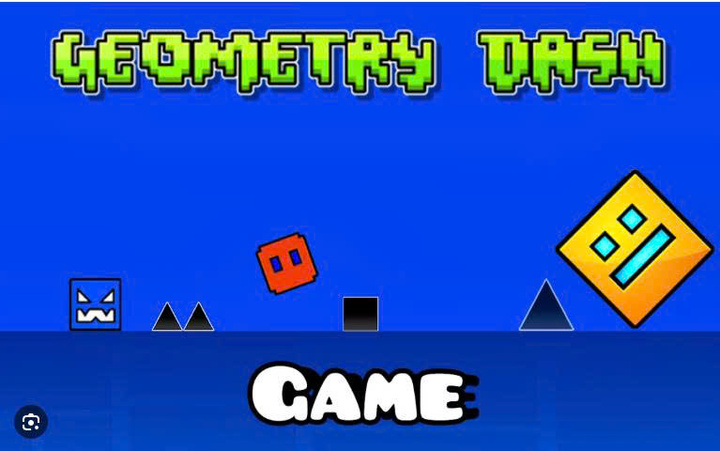
Geometry Dash centers on controlling a small, cube-shaped jumper that moves with a consistent set of physics. You press a button to jump, and the game measures the arc of each leap with ruthless precision. What makes the experience compelling is the way level design uses timing rather than just obstacle density. From the moment you press jump, you’re not only trying to avoid spikes or pits; you’re syncing with a pulse—the game’s background music, the speed of the level, and the rhythm of the obstacles.
- Timing as a core mechanic: Jumps are not just about height. They’re about the arc’s duration, the distance between hazards, and how the block lands relative to the next obstacle. A successful jump often feels like you’ve matched the level’s tempo rather than simply reacting to it.
- Predictability with room to improvise: The game’s physics are steady. Once you learn the jump height and gravity, you can anticipate where you’ll land. Yet the level design introduces subtle changes—shifting platforms, gravity gates, or slowdowns—that require you to adjust your timing on the fly.
- Visual cues and feedback: The game rewards accurate jumps with immediate feedback: a clean landing, a tiny celebratory tone, and sometimes a visual flourish. When you miss, the consequence is clear—an immediate restart that nudges you to try again with a slightly different rhythm.
If you want to test the waters or simply enjoy a clean, focused jump mechanic, a quick study of a few practice runs helps. Find a short, forgiving section and play it repeatedly, listening for the cadence and watching how your timing aligns with the beat. After a few tries, you’ll start recognizing micro-patterns: a tap a beat earlier, a hold to stretch the jump, or a quick release to reset your momentum.
Tips: building your own rhythm and staying in the flow
- Start with a calm mindset: Geometry Dash can feel intense because the pace can spike abruptly. If you approach a level with a calm, almost meditative mindset, you’ll notice the rhythm more clearly. Take a breath, pause at a checkpoint if you can, and reframe the moment as a sequence of beats you’re following rather than a race you must win instantly.
- Use the beat as your guide: Many players find it helpful to tune into the music’s tempo. Even if the game doesn’t have explicit audio cues for every jump, aligning your rhythm with the background music can help you predict when a jump is coming. Practice by muting and unmuting to see how the tempo feels in different sections.
- Break sections into micro-goals: Rather than thinking about the entire level, focus on small segments. Perfect a single jump sequence, then move a few steps further. This segmented approach reduces pressure and clarifies the timing you need to master.
- Practice in low-stakes modes: Geometry Dash often offers practice modes or shorter levels to test your skills. Use these to get comfortable with tricky sequences without the fear of starting from scratch every time. Repetition, not speed, builds muscle memory.
- Observe patterns and anticipate changes: The game rewards careful observation. Before attempting a difficult segment, take a moment to watch the path ahead—where spikes appear, where the gravity shifts, and where platforms vanish or reappear. Noting these patterns helps you plan your jumps rather than react impulsively.
- Fine-tune your control setup: If you’re playing on a keyboard, consider light, consistent key presses rather than hard taps. Some players prefer a gamepad for smoother, repeatable inputs. The key is consistency: the same press pressure, same response time, and the same gesture every time you jump.
- Embrace mistakes as data: A failed jump isn’t a defeat; it’s feedback. Ask yourself where your timing was off: too early, too late, or not releasing the button in time. Adjust and try again. The game’s challenge is cumulative learning, not a single perfect run.
- Explore user-generated content with curiosity: One of Geometry Dash’s strengths is its community-driven level design. Trying different user-made levels expands your understanding of what a well-timed jump feels like. It’s a chance to notice how varied rhythms can shape the same fundamental mechanic.
A quick note on the game’s ecosystem and accessibility
If you’re curious to peek into Geometry Dash’s broader world, you can explore more levels and community content at your own pace. The game encourages experimentation, and its lightweight controls invite players to experiment with timing and approach. When you’re ready to learn more about the game’s universe or look for new challenges, a quick online search can reveal a wealth of user-created levels—each with its own tempo and style.
For those who want a direct introduction, you can visit Geometry Dash here: Geometry Dash. The linked resource helps you locate the game and related community discussions, but the core experience remains simple: time your jumps, read the level, and enjoy the flow of movement.
Conclusion
A great geometry jump isn’t about speed or flashiness; it’s about rhythm, awareness, and a calm, patient approach. Geometry Dash invites you to become attuned to a world where each jump has purpose, each landing a small victory, and each retry a step toward mastery. Whether you’re new to platformers or returning after a break, focus on building a personal rhythm: listen to the beat, map the obstacles, and practice in short, deliberate bursts. As you collect tiny successes—one precise jump after another—you’ll find the experience becoming a satisfying, almost musical process. The challenge remains, but so does the joy of getting it just right.