Is FUT Hair Transplant treatment suitable for all hair loss?
Posted by Ahmad hassan
Filed in Health 405 views
Hair restoration has become a widely discussed solution for individuals experiencing hair thinning or baldness. FUT hair transplant treatment is one of the established surgical options used to address permanent hair loss, especially in cases where natural regrowth is unlikely. Many people searching for effective solutions often consider FUT Hair Transplant in Dubai due to the city’s advanced aesthetic treatments and skilled medical infrastructure. Facilities such as Dynamic Clinic are frequently referenced in discussions around modern hair restoration procedures in the region. Understanding whether FUT is suitable for every type of hair loss requires a closer look at how the procedure works, who it benefits most, and when other options may be more appropriate.
Understanding FUT Hair Transplant
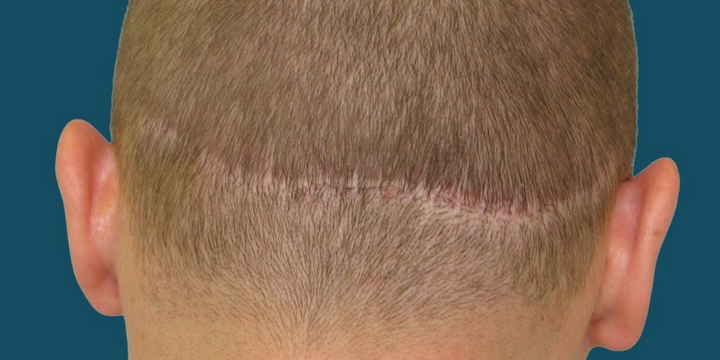
Follicular Unit Transplantation (FUT) is a surgical hair restoration technique that involves removing a thin strip of scalp from the donor area, typically the back of the head. Hair follicles are carefully extracted from this strip and transplanted into areas affected by hair loss.
The procedure focuses on relocating healthy hair follicles that are genetically resistant to balding. Once transplanted, these follicles continue to grow naturally in the new area. FUT has been used for many years in hair restoration and remains a reliable option for individuals who require a large number of grafts.
Key characteristics of FUT include:
-
Harvesting hair follicles from a donor strip of scalp
-
Transplanting naturally occurring follicular units
-
Providing dense coverage in areas with significant hair loss
-
Allowing surgeons to transplant a high number of grafts in one session
Common Types of Hair Loss Treated with FUT
Not every hair loss condition responds the same way to surgical treatment. FUT hair transplant procedures are primarily designed to treat permanent hair loss caused by genetic factors.
Some of the most common conditions where FUT may be considered include:
-
Male pattern baldness (Androgenetic alopecia)
-
Female pattern hair thinning
-
Hair loss from previous surgeries or injuries
-
Receding hairlines or thinning crowns
In these cases, the donor area typically remains stable, allowing surgeons to extract healthy follicles and redistribute them to thinning areas.
Situations Where FUT May Not Be Suitable
Although FUT is effective for many patients, it is not the ideal solution for every type of hair loss. Certain conditions affect the scalp or hair follicles in ways that make transplantation less predictable.
Examples where FUT may not be recommended include:
-
Temporary hair loss conditions, such as stress-related shedding
-
Diffuse thinning where the donor area is also weak
-
Autoimmune hair disorders affecting follicle survival
-
Active scalp infections or inflammatory conditions
In these situations, treating the underlying cause of hair loss often becomes the primary step before considering surgical solutions.
Factors That Determine FUT Suitability
The success of FUT hair transplantation depends on several individual factors. Specialists evaluate these aspects carefully before recommending the procedure.
Important considerations include:
-
Donor hair density: Sufficient healthy follicles must exist in the donor region.
-
Extent of hair loss: Individuals with advanced baldness often benefit most from FUT because it allows for higher graft numbers.
-
Hair texture and thickness: Thicker hair can create fuller visual coverage after transplantation.
-
Scalp flexibility: Adequate scalp laxity helps surgeons safely remove the donor strip.
-
Overall health and healing ability: Proper recovery supports successful graft survival.
These factors collectively help determine whether FUT can achieve natural-looking results.
FUT vs Other Hair Restoration Techniques
Hair transplant technology has evolved, and patients today may hear about several treatment methods. FUT remains widely used, but it is often compared with alternative techniques.
Common hair restoration options include:
-
FUT (Follicular Unit Transplantation): A strip of scalp is removed and grafts are harvested from it.
-
FUE (Follicular Unit Extraction): Individual follicles are extracted directly from the donor area.
-
Non-surgical therapies: Treatments that aim to slow hair loss or improve scalp health.
Each approach has unique advantages depending on hair loss patterns, lifestyle preferences, and recovery expectations.
Advantages of FUT Hair Transplant
For suitable candidates, FUT offers several benefits that have helped it remain relevant in modern hair restoration.
Notable advantages include:
-
Ability to transplant a large number of grafts in one procedure
-
Efficient treatment for advanced stages of baldness
-
Preservation of the donor area for potential future procedures
-
Long-lasting results when transplanted follicles continue natural growth
Because FUT allows high graft yields, it can be particularly helpful for individuals seeking significant density improvement.
Limitations to Consider
While FUT can be highly effective, understanding its limitations helps set realistic expectations.
Some aspects patients should consider include:
-
A linear scar may remain in the donor area
-
Recovery may require slightly more healing time compared to other techniques
-
Not ideal for people who prefer extremely short hairstyles due to potential visibility of the scar
These limitations are carefully discussed during consultation to determine whether the method aligns with the patient’s goals.
Hair Loss Assessment Before Treatment
Before recommending FUT hair transplant treatment, specialists perform a thorough hair and scalp evaluation. This assessment helps determine whether the procedure will produce stable and natural results.
The evaluation typically focuses on:
-
Pattern and progression of hair loss
-
Strength and stability of the donor area
-
Scalp health and elasticity
-
Medical history affecting hair growth
A detailed consultation ensures that the procedure is chosen for the right reasons rather than as a universal solution for every hair concern.
Is FUT Hair Transplant Right for Everyone?
FUT hair transplant treatment is a proven solution for many individuals experiencing permanent hair loss, particularly those with stable donor hair and well-defined balding areas. However, it is not designed to address every type of hair loss condition.
Temporary shedding, medical scalp disorders, or diffuse thinning may require alternative treatments or medical management before surgical intervention becomes an option. Understanding the underlying cause of hair loss is essential in choosing the most appropriate approach.
Conclusion
FUT hair transplant treatment remains one of the most effective surgical solutions for restoring hair in individuals with permanent baldness patterns. Its ability to transplant a large number of grafts in a single procedure makes it especially valuable for those experiencing advanced hair thinning. However, the procedure is not universally suitable for all forms of hair loss, and careful evaluation of scalp health, donor hair availability, and the underlying cause of hair thinning is necessary before proceeding. When recommended for the right candidate, FUT can provide natural-looking hair growth and long-term improvement in hair density.