Does Rhinoplasty Affect the Sense of Smell?
Posted by Ahmad hassan
Filed in Health 505 views
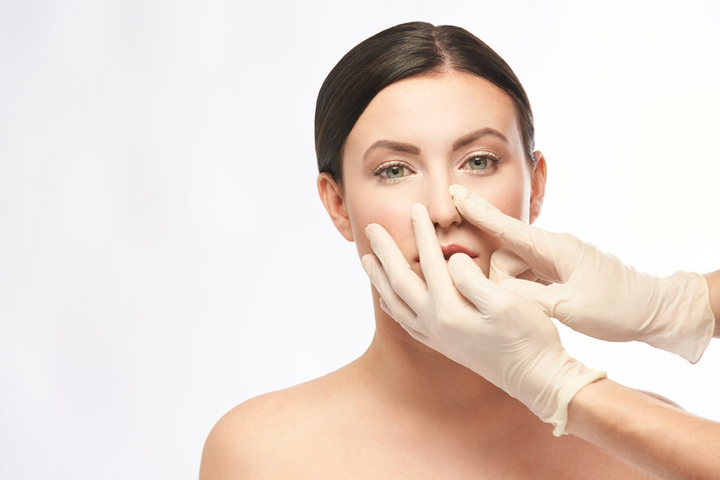
Rhinoplasty is one of the most popular cosmetic and functional procedures performed worldwide. People choose this surgery for many reasons, including improving nasal appearance, correcting breathing issues, or repairing structural problems caused by injury. In recent years, Rhinoplasty Dubai has gained significant attention as individuals seek advanced surgical techniques and expert care in a city known for its modern medical standards.
However, one common concern many people have before undergoing nasal surgery is whether rhinoplasty can affect their sense of smell. Since the nose plays a vital role in detecting scents, it’s natural to wonder if surgical changes might interfere with this function. Understanding how rhinoplasty interacts with the nasal structures can help patients make informed decisions.
Understanding How the Sense of Smell Works
The sense of smell, also known as olfaction, depends on specialized receptors located high inside the nasal cavity. When you inhale, odor molecules travel through the nose and reach these receptors, which then send signals to the brain to identify different scents.
Several parts of the nose contribute to this process, including:
-
The nasal passages that allow air to flow
-
The olfactory receptors responsible for detecting smells
-
The olfactory nerve that carries signals to the brain
Any condition that blocks airflow or causes swelling in the nose can temporarily affect the ability to smell. This is why people often notice reduced smell when they have a cold, allergies, or sinus infections.
Does Rhinoplasty Impact the Sense of Smell?
In most cases, rhinoplasty does not permanently affect the sense of smell. The procedure mainly focuses on reshaping the bone, cartilage, and outer structure of the nose. The olfactory receptors responsible for smell are located deeper in the nasal cavity and are typically not disturbed during standard rhinoplasty techniques.
However, some patients may experience temporary changes in smell after surgery. This is usually due to swelling inside the nose, which can partially block airflow. As the tissues heal and swelling subsides, the sense of smell typically returns to normal.
For individuals considering Rhinoplasty Dubai, understanding this temporary phase can help reduce anxiety during recovery.
Temporary Changes After Rhinoplasty
After rhinoplasty, it is common for patients to experience certain short-term symptoms while the nose heals. These may include:
-
Nasal swelling
-
Mild congestion
-
Temporary reduction in the ability to smell
-
Sensation of blocked nasal passages
These symptoms are a natural part of the healing process. Swelling inside the nasal passages can limit airflow to the olfactory receptors, making smells less noticeable. In most cases, normal smell perception gradually returns as healing progresses over several weeks.
It is important to remember that this temporary change is not typically related to damage to the smell receptors themselves.
When Rhinoplasty May Improve the Sense of Smell
Interestingly, rhinoplasty can sometimes improve the sense of smell, especially when the procedure corrects structural problems that previously restricted airflow.
Certain conditions can reduce the ability to smell, such as:
-
Deviated nasal septum
-
Nasal obstruction
-
Enlarged turbinates
-
Structural abnormalities affecting airflow
When rhinoplasty is combined with functional corrections that open the nasal passages, patients may experience better airflow through the nose. Improved airflow can allow odor molecules to reach the olfactory receptors more efficiently, which may enhance the sense of smell.
This functional benefit is one reason why many people choose Rhinoplasty Dubai, as advanced surgical techniques often address both aesthetic and breathing concerns simultaneously.
Factors That Influence Smell Recovery
Although long-term smell problems after rhinoplasty are rare, several factors can influence how quickly the sense of smell returns to normal.
1. Post-Surgical Swelling
Internal swelling is the most common reason for temporary smell changes. As swelling decreases, airflow improves and smell perception typically returns.
2. Surgical Technique
Modern rhinoplasty methods are designed to preserve nasal function. Experienced surgeons take great care to avoid areas responsible for smell detection.
3. Healing Process
Every patient heals differently. Some individuals regain their full sense of smell within weeks, while others may take a little longer.
4. Pre-Existing Nasal Conditions
Patients who already have sinus issues, allergies, or nasal obstruction may experience different recovery patterns compared to those with healthy nasal structures.
Tips for Supporting Recovery After Rhinoplasty
Following proper post-surgical care can help ensure a smooth recovery and support the return of normal nasal function.
Some helpful recovery practices include:
-
Following all aftercare instructions carefully
-
Avoiding activities that may irritate the nose
-
Keeping the nasal passages clean as advised
-
Attending follow-up appointments for monitoring healing
Patience is also important. The nose is a delicate structure, and internal tissues need time to heal fully.
When to Speak with a Specialist
While temporary smell changes are normal, persistent loss of smell lasting several months is uncommon. If a patient notices prolonged difficulty detecting scents after surgery, it is advisable to consult a qualified medical professional for evaluation.
In most situations, the sense of smell gradually improves as nasal tissues settle and airflow stabilizes.
Final Thoughts
Rhinoplasty is a highly refined procedure that focuses primarily on reshaping the nose while preserving its natural function. For the majority of patients, the sense of smell remains unchanged after surgery. Temporary reductions in smell can occur due to swelling, but these typically resolve as healing progresses.
For individuals exploring Rhinoplasty Dubai, understanding the relationship between nasal surgery and smell can provide reassurance during the decision-making process. With proper care, modern surgical techniques, and realistic expectations, patients can achieve both aesthetic improvements and maintained nasal function without long-term effects on their ability to enjoy everyday scents.