What Determines Dental Veneers Material Selection?
Posted by Taimoor Tahir
Filed in Health 396 views
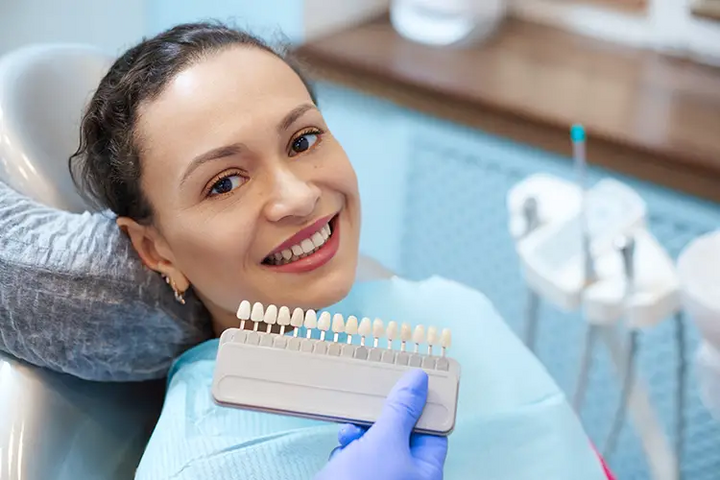
Dental veneers have become an increasingly popular choice for individuals looking to enhance their smiles. For those seeking Dental Veneers in Dubai, understanding the factors that determine the selection of veneer materials is essential for achieving optimal results. The right material not only affects the aesthetics of your smile but also its durability and long-term performance.
Understanding Dental Veneers
Dental veneers are thin shells designed to cover the front surface of teeth, improving their appearance by correcting discoloration, chips, gaps, and minor misalignments. While veneers may seem similar at first glance, the material used can significantly impact their look, strength, and longevity.
The most commonly used materials for dental veneers include:
- Porcelain
- Composite resin
- Lithium disilicate (E-max)
Each material has distinct characteristics, and selecting the right one depends on several clinical and aesthetic factors.
Factors Influencing Veneer Material Selection
When considering Dental Veneers in Dubai, dentists and patients take multiple aspects into account to ensure a natural-looking and durable outcome.
1. Aesthetic Goals
One of the primary reasons patients choose veneers is to enhance the appearance of their teeth. The material plays a critical role in achieving the desired look:
- Porcelain veneers offer a natural translucency and mimic the reflective properties of natural teeth, making them ideal for a bright, realistic smile.
- Composite veneers are versatile and can be color-matched easily, though they may not achieve the same level of translucency as porcelain.
- Lithium disilicate veneers combine strength and aesthetics, providing a lifelike appearance with exceptional durability.
The choice of material will depend on whether the patient prioritizes natural beauty, subtle enhancement, or dramatic transformation.
2. Durability and Longevity
Durability is a significant factor when selecting dental veneers. Some materials are better suited for long-term performance:
- Porcelain veneers are highly resistant to staining and wear, offering longevity of 10-15 years or more with proper care.
- Composite veneers are more prone to chipping and staining but can be repaired more easily than porcelain.
- Lithium disilicate veneers are known for their remarkable strength, making them suitable for patients with minor bite concerns or teeth grinding habits.
For patients seeking veneers that maintain their appearance and function for years, material selection plays a crucial role.
3. Tooth Condition and Preparation
The condition of the existing teeth often dictates the type of material suitable for veneers:
- Teeth with minimal enamel may require stronger materials like lithium disilicate or porcelain for adequate support.
- Severely worn or damaged teeth might benefit from composite veneers for a conservative approach, preserving more natural tooth structure.
A thorough dental assessment ensures that the selected material complements the patient’s oral health and structural requirements.
4. Bite and Functional Requirements
Your bite and how you use your teeth daily can influence the choice of veneer material:
- Patients with a strong bite or teeth-grinding habits may require more robust materials like porcelain or lithium disilicate.
- Composite veneers are generally recommended for low-stress areas or minor cosmetic adjustments, as they may wear faster under heavy biting forces.
Selecting a material that aligns with functional needs helps prevent premature damage and enhances long-term satisfaction.
5. Color and Shade Matching
Achieving a natural smile often depends on the material’s ability to match the surrounding teeth:
- Porcelain and lithium disilicate veneers provide superior shade matching and translucency, closely resembling natural teeth.
- Composite veneers offer flexibility in color adjustment but may require touch-ups over time to maintain their shade.
For patients in Dubai seeking a seamless, natural look, color compatibility is a key factor in material selection.
Why Material Selection Matters
Choosing the right veneer material is not merely a cosmetic decision. It affects:
- Appearance: Ensures a natural, radiant smile that blends well with adjacent teeth.
- Durability: Determines how long the veneers will last without chipping, cracking, or discoloration.
- Functionality: Maintains proper bite alignment and protects the underlying teeth.
- Maintenance: Influences care routines and the likelihood of needing repairs over time.
A careful evaluation of these factors guarantees that patients achieve both aesthetic and functional results that meet their expectations.
Final Thoughts
For anyone exploring Dental Veneers in Dubai, understanding the nuances of material selection is crucial. From aesthetic goals and durability to tooth condition and bite considerations, the choice of veneer material impacts every aspect of the final outcome. Consulting with a dental professional to assess these factors ensures that your veneers not only enhance your smile but also provide lasting performance and natural beauty.
By making informed decisions about the material, you can enjoy a confident smile that reflects both style and dental health.