Botox vs Fillers: Key Differences You Should Know
Posted by Health care
Filed in Health 371 views
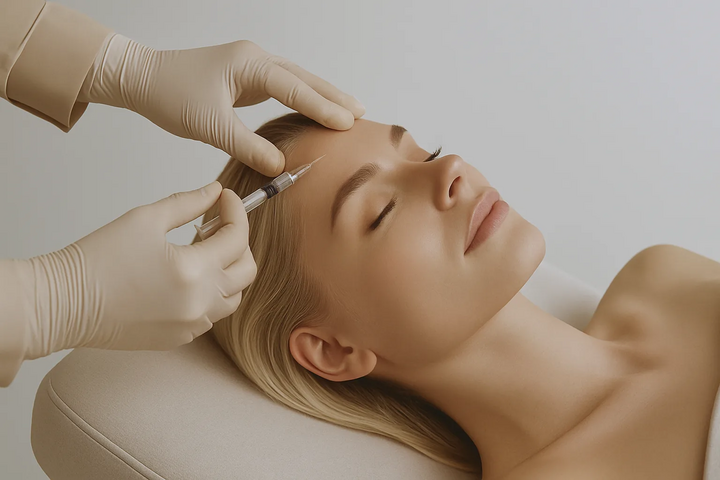
When exploring cosmetic treatments, many people often compare Botox and dermal fillers to understand which one suits their needs better. Whether you're researching facial rejuvenation options or simply trying to learn more about aesthetic enhancements like botox dubai price list, it’s important to understand that these two treatments work in completely different ways even though they are often discussed together.
Both Botox and fillers are popular non-surgical procedures designed to enhance facial appearance, reduce signs of aging, and restore youthful balance. However, they target different concerns, use different ingredients, and deliver different types of results. Let’s break it down in a simple, clear, and engaging way so you can confidently understand the key differences.
What Is Botox?
Botox is a purified protein that temporarily relaxes specific facial muscles. These muscles are responsible for creating dynamic wrinkles—lines that appear when you smile, frown, squint, or raise your eyebrows.
How Botox Works
Botox works by blocking nerve signals to targeted muscles. When these muscles stop contracting as strongly, the skin above them appears smoother and more relaxed.
This makes Botox especially effective for:
- Forehead lines
- Crow’s feet around the eyes
- Frown lines between the eyebrows
- Expression-related wrinkles
What Botox Does NOT Do
A common misconception is that Botox fills wrinkles or adds volume. In reality, it does not. Instead, it simply relaxes muscles to reduce movement-based lines. It won’t improve hollow areas or sagging skin.
What Are Dermal Fillers?
Dermal fillers are gel-like substances injected beneath the skin to restore lost volume, smooth static wrinkles, and enhance facial contours.
How Fillers Work
Unlike Botox, fillers physically “fill” areas where volume has decreased due to aging or facial structure. They add structure, fullness, and support to the skin.
Fillers are commonly used for:
- Plumping lips
- Enhancing cheeks
- Defining jawline
- Filling under-eye hollows
- Smoothing deep static wrinkles
What Fillers Do NOT Do
Fillers do not relax muscles or stop facial expressions. They are purely structural, meaning they enhance shape and volume rather than muscle activity.
Botox vs Fillers: The Core Difference
Understanding the difference between Botox and fillers becomes much easier when you focus on their purpose:
- Botox = relaxes muscles
- Fillers = add volume
Both treatments improve facial appearance, but they work on entirely different layers of the face.
How They Target Different Types of Wrinkles
Dynamic Wrinkles (Best for Botox)
Dynamic wrinkles appear when you make facial expressions. Over time, they become more visible even when your face is at rest.
Botox helps reduce:
- Forehead lines
- Smile-related crow’s feet
- Frown lines
Static Wrinkles (Best for Fillers)
Static wrinkles are visible even when your face is relaxed. These are caused by volume loss, aging, and skin thinning.
Fillers help improve:
- Deep smile lines
- Marionette lines
- Hollow cheeks
- Under-eye depressions
Treatment Procedure Differences
Botox Procedure Overview
Botox treatment involves small injections into specific muscles. The process is typically quick and requires minimal downtime. Most people return to daily activities shortly after.
Key points:
- Quick application
- Minimal discomfort
- Gradual results over a few days
Filler Procedure Overview
Fillers are injected into deeper layers of the skin to restore volume instantly.
Key points:
- Immediate visible results
- Slight swelling may occur
- Results are more noticeable right away
How Long Do Results Last?
Botox Duration
Botox results usually last for several months before the muscle activity gradually returns.
Factors affecting longevity:
- Muscle strength
- Metabolism
- Facial movement habits
Filler Duration
Fillers typically last longer than Botox, depending on the type used and the treated area.
Factors affecting longevity:
- Area treated
- Type of filler
- Individual skin structure
Some fillers gradually dissolve while others provide longer-lasting structural support.
Natural Appearance: Which Looks More Subtle?
Botox for Subtle Expression Softening
When done correctly, Botox softens expressions without freezing the face. It creates a smoother, more relaxed look while maintaining natural movement.
Fillers for Natural Volume Restoration
Fillers enhance facial harmony by restoring balance and volume. When applied properly, they should not look overfilled but instead refreshed and lifted.
Can Botox and Fillers Be Used Together?
Yes, many people combine both treatments for a more complete facial rejuvenation approach.
They complement each other well because:
- Botox smooths expression lines
- Fillers restore structure and volume
Together, they address both movement-related and volume-related aging signs.
Which One Should You Choose?
Choosing between Botox and fillers depends on your goals rather than one being better than the other.
Choose Botox If You Want:
- Smoother expression lines
- Prevention of wrinkle formation
- A more relaxed facial appearance
Choose Fillers If You Want:
- Fuller cheeks or lips
- Reduction of deep folds
- Enhanced facial contours
Choose Both If You Want:
- Full facial rejuvenation
- Balanced anti-aging results
- Combined smoothing and lifting effects
Safety and Considerations
Both Botox and fillers are widely used cosmetic treatments, but results depend on proper application and individual factors.
Important considerations include:
- Skin type and condition
- Desired outcome
- Treatment area sensitivity
- Realistic expectations
Temporary effects like mild swelling or redness may occur but typically resolve quickly.
Final Thoughts
Botox and dermal fillers are powerful aesthetic treatments, but they serve different purposes. Botox focuses on relaxing muscles to reduce expression lines, while fillers restore volume and reshape facial contours. Understanding these differences helps you make more informed decisions about your skincare and beauty goals.
Whether your goal is smoother skin, fuller features, or a balanced facial enhancement, knowing how each treatment works ensures you choose the right path for your needs and expectations.