What is the Hair Transplant process?
Posted by Hassan Dynamic
Filed in Health 462 views
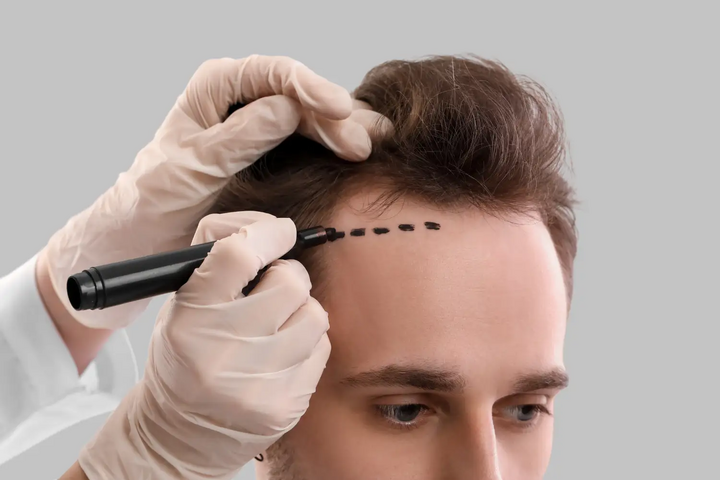
Hair loss is a common concern affecting both men and women, and understanding what is the Hair Transplant process can help individuals make informed decisions about restoring their hair. For those seeking Hair Transplant in Ras Al Khaimah, clinics like Dynamic Life Clinics offer advanced solutions tailored to hair restoration needs.
Hair transplant procedures involve moving healthy hair follicles from one part of the scalp, often the back or sides, to thinning or balding areas. This technique ensures that the transplanted hair continues to grow naturally, providing a long-term solution to hair loss.
Understanding the Basics of Hair Transplant
Hair transplant is a surgical procedure, but it is minimally invasive and designed to produce natural-looking results. The success of the transplant depends on factors like hair density, scalp condition, and the method chosen. There are two primary techniques:
-
FUT (Follicular Unit Transplantation): Involves removing a strip of scalp from the donor area, then dissecting it into individual hair follicles for transplantation.
-
FUE (Follicular Unit Extraction): Involves extracting individual hair follicles directly from the donor area, leaving minimal scarring and a quicker recovery.
Both methods require precision and expertise to ensure the transplanted hair aligns naturally with the existing hair pattern.
Step 1: Consultation and Planning
The first step in the hair transplant process is a thorough consultation. During this stage:
-
The specialist assesses hair loss patterns and scalp health
-
Determines the suitability for FUT or FUE
-
Discusses patient expectations and possible outcomes
-
Designs a hairline that complements facial features
This planning stage is essential for achieving a natural result and ensures the patient is fully informed about the procedure.
Step 2: Preparing the Donor Area
Before the transplant, the donor area is prepared carefully:
-
Hair is trimmed to allow better access to follicles
-
The scalp is cleaned and sterilized to prevent infection
-
Local anesthesia is administered to ensure a pain-free procedure
Proper preparation ensures that the hair follicles remain healthy and viable for transplantation.
Step 3: Harvesting Hair Follicles
The method of harvesting depends on the chosen technique:
-
FUT: A strip of scalp is removed and divided into grafts under a microscope.
-
FUE: Individual follicles are extracted using a small punch tool, leaving tiny, almost invisible marks.
Both approaches aim to maximize the number of viable follicles while minimizing trauma to the scalp.
Step 4: Creating Recipient Sites
Once the follicles are ready, the surgeon creates tiny incisions in the thinning or balding areas:
-
Incisions are made at precise angles to mimic natural hair growth
-
Density and placement are planned to ensure even coverage
-
Care is taken to avoid over-harvesting in one area
This step is crucial for achieving a natural appearance after the hair transplant.
Step 5: Implanting Hair Follicles
The harvested follicles are implanted one by one into the recipient sites:
-
Each graft is positioned carefully to match hair direction and density
-
Skilled handling ensures the follicles are not damaged during implantation
-
The process can take several hours depending on the number of grafts
Attention to detail during implantation determines how natural and full the final hair growth will appear.
Step 6: Post-Procedure Care
After the hair transplant, proper care is essential for optimal results:
-
The scalp may be tender, and mild swelling or redness can occur
-
Patients are advised to avoid strenuous activity for a few days
-
Gentle washing and prescribed medications help prevent infection and support healing
-
Hair shedding in the first few weeks is normal before new growth begins
Following post-operative instructions carefully significantly improves the chances of successful hair growth.
Expected Results and Recovery Timeline
Hair growth after a transplant is gradual:
-
0–3 months: Initial shedding occurs, which is a normal part of the process
-
4–6 months: New hair starts emerging, often fine at first
-
6–12 months: Noticeable hair growth with improved thickness and coverage
-
12–18 months: Full results with natural density and hairline
Patients can expect a permanent solution with proper care and follow-ups.
Benefits of the Hair Transplant Process
Hair transplants offer numerous advantages over other hair restoration methods:
-
Natural-looking results using one’s own hair
-
Permanent solution with minimal maintenance
-
Boost in confidence and self-esteem
-
Minimal scarring with advanced techniques like FUE
-
Customized hairlines designed to suit individual features
These benefits make hair transplants a preferred choice for individuals experiencing hair thinning or baldness.
Choosing the Right Clinic
Selecting the right clinic is critical for safe and effective hair restoration:
-
Look for clinics with certified specialists and a proven track record
-
Ensure they use advanced equipment and follow strict hygiene standards
-
Read patient testimonials and before-after results
-
Discuss expectations thoroughly during consultation
For residents seeking Hair Transplant in Ras Al Khaimah, clinics like Dynamic Life Clinics offer a combination of expertise, modern techniques, and patient-focused care.
Conclusion
Understanding what is the Hair Transplant process helps patients prepare mentally and physically for a successful procedure. From consultation to recovery, each stage plays a vital role in achieving natural, long-lasting results. By choosing experienced clinics and following post-operative care, individuals can restore their hair and regain confidence with minimal disruption to daily life.