Who Is the Best Candidate for Exilis Treatment Therapy?
Posted by Hassan Dynamic
Filed in Health 19 views
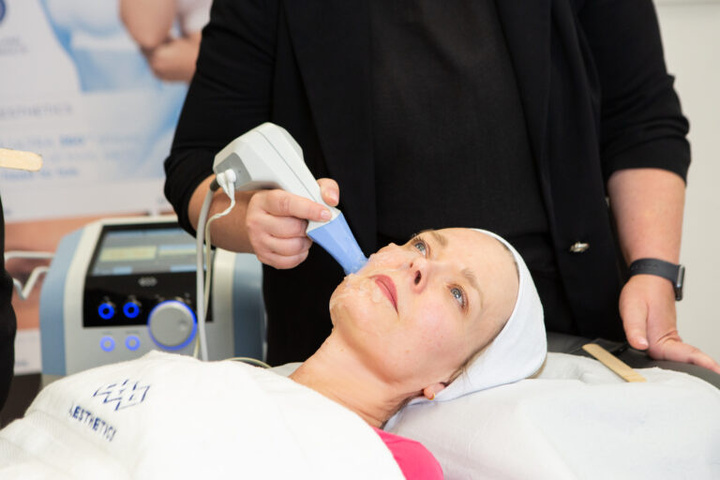
If you are noticing mild skin laxity, reduced firmness, or small areas of unwanted fat but do not want surgery, Exilis Treatment Dubai may be an option worth discussing with a qualified aesthetic professional. This non-invasive approach uses controlled energy to heat targeted tissue, supporting collagen remodeling and improving the appearance of skin firmness. However, the best candidate is not simply anyone who wants tighter-looking skin—the treatment is more suitable for people with specific concerns, realistic expectations, and no major contraindications.
What Is Exilis Treatment and How Does It Work?
Exilis is a non-invasive aesthetic technology that combines radiofrequency energy with ultrasound technology in certain systems to deliver controlled heating to targeted areas. Radiofrequency-based treatments are widely used for skin tightening because controlled heat can stimulate collagen remodeling within the skin. Clinical research involving Exilis devices and similar radiofrequency technologies has reported improvements in skin laxity and collagen-related changes.
The U.S. Food and Drug Administration has cleared Exilis XP and Exilis XP II devices under the classification of radiofrequency-induced heat devices, supporting their use within their authorized indications.
Rather than removing skin surgically, the treatment works through controlled thermal energy. This makes it particularly appealing to people who want gradual improvement without incisions or the downtime associated with surgery.
The treatment may be used on areas where mild laxity or contour concerns are present, depending on the specific device, treatment protocol, and professional assessment. Facial areas, the neck, abdomen, arms, thighs, and other body regions may be considered in appropriate patients.
Who Is an Ideal Candidate for Exilis Treatment?
The ideal candidate generally has mild to moderate skin laxity or localized aesthetic concerns and wants a non-surgical option. A consultation is important because skin quality, the amount of laxity, overall health, and treatment goals all influence whether the procedure is appropriate.
People who may be good candidates often include those who:
- Have mild or moderate loose or less-firm skin
- Want a non-invasive alternative to surgical skin tightening
- Have realistic expectations about gradual improvements
- Are generally healthy and medically suitable for the procedure
- Have relatively stable body weight
- Want improvements in firmness rather than dramatic surgical-level lifting
- Are comfortable with results developing progressively rather than immediately
- Understand that multiple sessions may sometimes be recommended
Research on monopolar radiofrequency has found improvements in skin laxity and other signs of facial aging, although outcomes vary between devices, treatment protocols, and individuals. One study specifically examining Exilis reported improvements following a course of treatments for facial aging and contour-related concerns.
For this reason, Exilis Treatment Dubai is often best considered as a refinement treatment for someone seeking moderate, natural-looking improvement rather than a replacement for surgery when substantial excess skin is present.
Is Exilis Suitable for Mild Skin Laxity?
People with early or mild skin laxity may be particularly suitable for non-surgical skin tightening because there may still be enough natural skin elasticity and collagen activity to respond to controlled energy treatment.
As we age, collagen production and skin elasticity decline. Radiofrequency treatment aims to use controlled heating to encourage collagen remodeling. Research has demonstrated that monopolar radiofrequency can affect collagen and elastic fibers in different layers of the skin, supporting its role in skin-firming procedures.
Someone noticing a softer jawline, slightly loose neck skin, early abdominal laxity, or less-firm skin around the arms may therefore discuss Exilis with a qualified practitioner.
However, expectations matter. Non-invasive treatments generally provide more subtle lifting than surgical procedures. The American Academy of Dermatology notes that non-invasive radiofrequency treatments can produce tightening, but collagen formation takes time and results are generally gradual.
This means a person looking for a modest improvement in firmness may be a better candidate than someone expecting a facelift-like transformation.
Who May Not Be a Good Candidate?
Not everyone seeking skin tightening should undergo Exilis. A professional assessment is necessary before treatment, particularly if you have a medical condition, implanted device, active skin problem, or other factor that could affect safety.
People may need to postpone or avoid treatment when they have circumstances such as:
- Pregnancy or certain pregnancy-related considerations
- An active infection or significant inflammation in the proposed treatment area
- Significant unexplained skin changes
- Certain implanted electronic or medical devices
- Medical conditions or medications that could make heat-based treatment inappropriate
- Extensive excess skin that would be better addressed through a surgical consultation
The American Academy of Dermatology specifically notes that skin-tightening procedures may not be appropriate for people who are pregnant, have a skin infection, or take certain medications. It also emphasizes that substantial sagging may not respond adequately to non-invasive tightening.
Importantly, these factors should not be used as a substitute for an individual medical assessment. The exact contraindications and precautions can depend on the particular Exilis device, treatment area, settings, and the patient's medical history.
Is Exilis Appropriate for People With More Significant Sagging?
This is one of the most important questions to consider before choosing an Exilis skin tightening treatment. If the primary concern is a small amount of looseness, a non-invasive procedure may offer a useful improvement. If there is substantial hanging or excess skin, however, energy-based treatment may not provide the degree of correction the person expects.
Non-invasive skin tightening works best when there is enough tissue quality for gradual remodeling to make a visible difference. The American Academy of Dermatology explains that people with extensive sagging may not obtain the desired benefit from skin-tightening procedures.
For someone with significant laxity after major weight loss, pronounced neck sagging, or considerable excess abdominal skin, a practitioner may recommend discussing surgical or alternative approaches instead.
This does not necessarily mean Exilis is ineffective. It means the treatment should be matched to the severity of the concern. Choosing a procedure based on the desired level of correction is more important than simply choosing the newest or most popular technology.
What About People Who Want Body Contouring?
Exilis may also appeal to people interested in improving the appearance of localized body areas. Some clinical research involving focused radiofrequency technology with an ultrasound component evaluated facial and body areas, including the arms, thighs, and abdomen, and reported improvements in appearance and high treatment comfort among study participants.
Still, candidates should distinguish between body contouring and major weight loss. A non-invasive aesthetic treatment should not be viewed as a replacement for a healthy diet, physical activity, or medically appropriate weight-management strategies.
Someone who is close to their preferred weight but has localized areas of mild laxity or contour irregularity may have more realistic expectations than someone hoping to lose a large amount of body weight.
Stable weight is also important because substantial weight fluctuations can change the appearance of treated areas and influence how long aesthetic improvements remain noticeable.
Why Realistic Expectations Matter
Being physically suitable for Exilis is only part of being a good candidate. Expectations are equally important.
The results of energy-based skin tightening are generally gradual because the body's collagen-remodeling process takes time. Research on monopolar radiofrequency has documented changes in skin laxity over follow-up periods extending several weeks or months, reinforcing the fact that improvement does not necessarily appear immediately.
A good candidate should therefore understand that:
- Results can vary from person to person.
- Improvement may develop progressively.
- More than one treatment may be recommended depending on the treatment plan.
- Results are usually more subtle than those of surgery.
- Maintaining healthy skin and stable weight can help support the overall appearance of the treated area.
This realistic approach can make the treatment experience more satisfying because the goal becomes natural improvement rather than an unrealistic transformation.
How a Consultation Determines Your Suitability
A professional consultation is the most reliable way to determine whether Exilis is appropriate for you. During an assessment, the practitioner can examine the amount of laxity, skin quality, treatment area, and your desired outcome.
They may also ask about your medical history, medications, previous procedures, implanted devices, pregnancy status, and any active skin conditions. These details help identify potential safety concerns before energy is applied to the treatment area.
The consultation should also establish what the treatment can realistically accomplish. If your concern is mild skin laxity, Exilis may be considered. If you have significant excess skin, another approach may be more appropriate.
This individualized process is especially important because not every person responds to radiofrequency treatment in exactly the same way. Even clinical studies show variation in outcomes among participants.
Final Takeaway: Is Exilis Right for You?
The best candidate for Exilis Treatment is generally someone with mild to moderate skin laxity or selected contour concerns who wants a non-invasive option and understands that results are gradual and typically more subtle than surgery. Good overall health, realistic expectations, stable weight, and the absence of relevant contraindications can all support candidacy.
If you are considering treatment, a qualified practitioner can evaluate your skin and determine whether Exilis matches your specific goals. A personalized assessment is ultimately more useful than choosing a treatment based solely on advertisements or general before-and-after photographs.