What Is a Keffiyeh Scarf & Why Everyone's Wearing One
Posted by Kuvrd Keffiyeh
Filed in Shopping 371 views
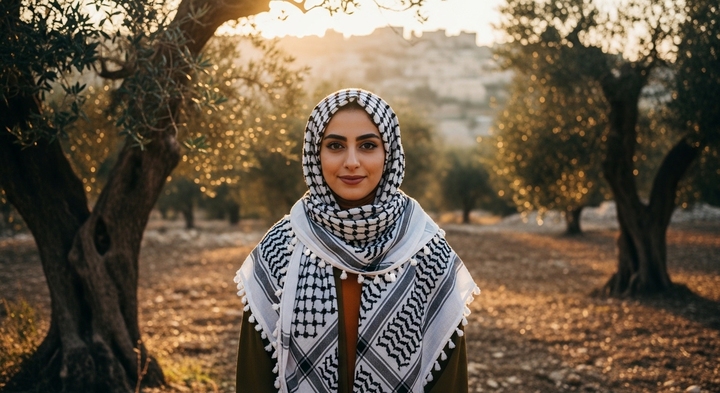
Introduction
A Keffiyeh Scarf is a traditional Middle Eastern woven headscarf with a centuries-long cultural history, originally designed for practical desert protection and gradually adopted as one of the most globally recognized symbols of Palestinian identity, political solidarity, and cultural pride. Today, it appears on fashion runways, city streets, protest marches, and outdoor trails worldwide. But what exactly is driving this global moment, and why are so many people from different backgrounds and communities reaching for this particular garment? This guide answers both questions honestly and completely.
The Origins of the Keffiyeh Scarf
Understanding why something is trending starts with understanding where it came from.
Ancient Roots in Middle Eastern Daily Life
The traditional woven headscarf has been part of Middle Eastern daily life for thousands of years. Originally worn by farmers, shepherds, and desert travelers across the Levant region, it served essential practical functions, protecting the head, face, and neck from intense sun, dust, and wind. Its design was not decorative in origin; it was functional, durable, and perfectly adapted to the environment.
How It Became Culturally Significant
Over centuries, the garment evolved from a practical tool into a cultural marker. Different regions developed distinct weaving styles and color combinations that identified the wearer's community, social standing, and regional affiliation. By the 20th century, it had become inseparable from palestinian keffiyeh identity worn as a visible statement of heritage, resistance, and solidarity during major political movements across the region.
The Spread Beyond the Middle East
The garment's global journey accelerated through the latter half of the 20th century as Palestinian political movements gained international attention. Activists, artists, and solidarity movements worldwide adopted the checkered pattern as a visual symbol, and from there it entered mainstream fashion consciousness, appearing in Western street style, music, and eventually high fashion.
What Makes a Keffiyeh Scarf Different From Other Scarves
Not all scarves are created equal, and this one is genuinely unique.
The Weave Structure
An authentic piece is woven rather than printed. The checkered pattern is built directly into the fabric structure through a counted thread weaving process — meaning the design exists in three dimensions within the cloth itself. This gives it a distinctive texture and weight that printed imitations simply cannot replicate.
The Fringe
Traditional keffiyeh scarves have knotted fringe along all four edges, a structural feature of the weaving process rather than a decorative addition. The knots secure the warp threads and are a reliable indicator of authentic construction. Scarves with cut or glued-on fringe are machine-made imitations.
The Fabric
Original Palestinian Keffiyehs are woven from 100% cotton, a deliberate material choice that makes the scarf breathable, durable, and naturally comfortable in both heat and cooler temperatures. Cotton also holds knots and folds better than synthetic alternatives, which is why it ties so well in traditional methods.
Keffiyeh vs Shemagh vs Ghutra: Understanding the Differences
Buyers often encounter multiple terms and get confused. Here is a clear breakdown.
Keffiyeh and Shemagh
The keffiyeh and shemagh are the most commonly confused pair. Both share the checkered pattern and similar construction, but the shemagh is typically heavier and more tightly woven, originally designed for military and harsh desert field conditions. The traditional Palestinian version is lighter and more flowing, designed for everyday cultural wear. The shemagh kufiya sits between both a hybrid term used across different regional contexts.
Ghutra
The ghutra is the white or red-and-white version worn in Gulf countries, Saudi Arabia, Kuwait, Qatar, and the UAE, typically held in place by an agal cord. It follows different wearing conventions and carries distinct Gulf cultural associations rather than specifically Palestinian ones. Both are authentic traditional garments; they simply come from different parts of the broader Middle Eastern textile tradition.
The Keffiyeh: Meaning Behind the Pattern
Every element of the design carries meaning.
Black and White Checkered
The black-and-white pattern is the most globally recognized and carries the strongest association with Palestinian cultural and political identity. The black threads are traditionally associated with Levantine trade routes and urban life, while white represents peace. Together they form a visual language that has become one of the most recognizable symbols in global political culture.
Red and White Checkered
The red-and-white pattern carries its own deep regional authenticity rooted in Jordanian and Bedouin heritage. Red traditionally represents bravery and strength. This version is equally historical and valid, simply tied to a different geography within the broader Middle Eastern tradition.
The Palestine Scarf as Symbol
Beyond pattern and color, the garment as a whole has become what many call the palestine scarf, a term that reflects its deepest cultural association. Wearing it today connects the wearer to an ongoing global conversation about identity, solidarity, and cultural preservation.
Why the Keffiyeh Scarf Is Trending Right Now
Several intersecting forces are driving its current global moment.
Political Awareness and Solidarity
Renewed global attention to Palestinian rights and identity has brought the garment back into sharp public focus. People across communities and cultures are wearing it as a visible act of solidarity, a way of expressing political and humanitarian support that transcends language barriers.
Fashion and Street Culture
The checkered pattern has been embraced by streetwear culture, independent designers, and fashion-forward communities worldwide. Its bold geometric structure fits naturally into contemporary aesthetic trends appearing in collections, editorial shoots, and social media style content far beyond its original cultural context.
Functionality and Versatility
Beyond symbolism, the garment is simply an exceptionally versatile accessory. Brands like KUVRD have made authentic quality pieces accessible to a global audience who may be drawn initially by the aesthetic and discover the cultural depth afterward. The scarf works as a headwrap, neck wrap, face cover, shoulder drape, and everything in between.
Cultural Curiosity and Conscious Consumption
A growing number of consumers are actively seeking out garments with cultural depth and authentic heritage pushing back against disposable fast fashion in favor of pieces with real stories behind them. This cultural shift has brought renewed appreciation for traditional craftsmanship worldwide, and this particular garment sits at the center of that conversation.
How to Wear a Keffiyeh Scarf: The Basics
Interest in the garment naturally leads to the question of wear.
Starting Simply
How to wear a keffiyeh for the first time does not require expert technique. The simplest starting point is the shoulder drape, folding the scarf loosely and placing it around the neck with both ends falling forward. This takes thirty seconds and works with almost any outfit while you build familiarity with the fabric.
Progressing to Traditional Methods
As you become more comfortable with the weight and drape of the fabric, traditional methods become more accessible. The classic headwrap, the single shoulder wrap, and the full face cover all follow simple folding and wrapping logic that becomes intuitive with practice. The key is starting with a quality Keffiyeh Scarf that holds its shape and ties cleanly, which always comes back to cotton construction and authentic weaving.
Wearing It With Cultural Awareness
The garment's popularity comes with responsibility.
Appreciation vs Appropriation
The global spread of any culturally significant garment opens a conversation about the difference between appreciation and appropriation. The most respectful approach is not to avoid wearing it but to understand what you are wearing, source it from authentic makers who support Palestinian communities, and wear it with genuine awareness rather than treating it as a disposable trend.
How to Engage Respectfully
-
Learn the basic history before wearing it publicly
-
Buy from sources that support Palestinian artisans
-
Be prepared to answer questions about what you are wearing
-
Avoid reducing it to a purely aesthetic choice with no cultural context
Conclusion
The global moment this traditional woven scarf is experiencing right now is not accidental. It sits at the intersection of political awareness, cultural appreciation, fashion evolution, and a growing hunger for garments with real meaning behind them. Whether you are drawn to it through solidarity, style, function, or simple curiosity, the most important thing you can do is engage with it honestly. Understand its origins, choose an authentic piece, wear it with awareness, and let it be more than an accessory. That is exactly why it has endured for centuries and why it continues to matter today.
Frequently Asked Questions
What exactly is a Keffiyeh Scarf and where does it come from?
A Keffiyeh Scarf is a traditional Middle Eastern woven cotton headscarf with roots spanning thousands of years across the Levant region. Originally a practical garment designed for desert protection, it evolved into one of the most culturally and politically significant textiles in the world, most closely associated with Palestinian identity and solidarity. Today, it is worn globally as a cultural, political, and fashion statement by people from many different backgrounds.
Why is the keffiyeh scarf so popular right now?
Several forces are converging simultaneously to renew global awareness of Palestinian identity and rights, the garment's natural fit within streetwear and contemporary fashion aesthetics, and a broader cultural shift toward conscious consumption of meaningful, heritage-rooted garments. It is trending not because of a single moment but because it sits at the center of multiple important global conversations.
Is it appropriate for non-Palestinians to wear this scarf?
Yes, when done with genuine awareness and intention. The key is understanding the cultural and political significance of what you are wearing, sourcing it from authentic makers who support Palestinian communities, and wearing it as an expression of appreciation or solidarity rather than as a costume or passing trend. Educating yourself, which reading this guide represents, is the most important first step toward wearing it respectfully.