How Keffiyeh Preserves Palestinian Identity
Posted by Kuvrd Keffiyeh
Filed in Shopping 514 views
Introduction
The keffiyeh is more than a scarf. It is a cultural sign, a memory of land, and a strong symbol of Palestinian life. Over time, this simple cloth has come to represent belonging, resilience, and pride. People wear it not only for style, but also to show a connection to history and heritage.
In today’s world, where identity can be weakened by fast trends and cultural loss, this traditional cloth still speaks clearly. It holds meaning for families, communities, and the diaspora, and it continues to stay visible in both daily wear and public life.
What This Traditional Scarf Really Means
At first glance, it may look like a simple patterned cloth. But for many people, it carries a deeper message. It has long been used in Palestine as a practical item, yet it grew into something much larger than clothing.
From useful cloth to cultural symbol
People once wore it to protect themselves from the sun, dust, and cold. But over time, it became tied to national identity and social memory. That is why it is still so powerful today. It is not just worn on the body. It is carried in meaning.
A sign of belonging
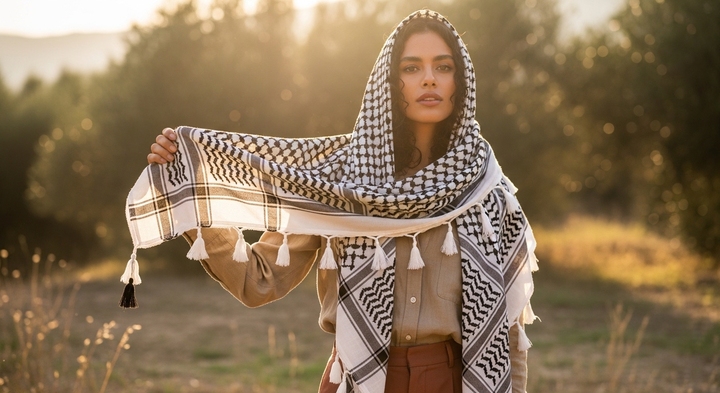
The black-and-white design is now widely recognized, but its meaning goes beyond appearance. It reflects a shared story, a connection to home, and a sense of continuity across generations. For many families, this is why it remains important.
The History Behind the Pattern
This cloth has deep roots in rural life. It was once common among farmers and workers who needed something practical and durable. Later, it became part of a wider cultural story.
A symbol shaped by history
During important political moments, the cloth took on new meaning. It became linked with resistance, dignity, and public identity. That shift helped turn a useful item into a powerful emblem.
Carried through generations
People in Palestine and across the diaspora continue to pass this tradition forward. It appears in family photos, cultural events, protests, and everyday outfits. That keeps the memory alive even when people live far from their original homes.
How It Protects Identity
One of the strongest things about this tradition is how it helps people feel connected to who they are. It creates a visible link to heritage, even when life changes.
A visual language of home
For many Palestinians, the cloth reminds them of village life, olive groves, and family roots. It can carry a feeling of memory that words alone cannot always express. That emotional value is a big reason it matters.
A sign seen around the world
It is also seen globally as a sign of solidarity. When people wear a palestinian keffiyeh, they are often making a statement about identity, support, and cultural respect. That is why it appears in rallies, classrooms, and public spaces around the world.
The Meaning in the Design
The pattern itself is part of the message. Its lines and shapes are not random. They carry visual meaning that has become deeply connected to Palestinian identity.
Why the design matters
The bold checks and woven texture help create a look that feels both simple and strong. Many people associate it with endurance and community. It is a classic example of how clothing can hold a story.
Different names, same cultural weight
People may also call it shemagh kufiya, or refer to keffiyeh and shemagh together, depending on the region or context. In everyday use, the meaning may shift slightly, but in Palestinian culture, the symbolic value stays strong.
How It Lives in Modern Fashion
Today, the cloth is no longer limited to traditional use. It appears in streetwear, modern styling, and cultural fashion. Young people are using it in ways that connect heritage with everyday life.
Fashion with meaning
Some wear it with jeans, jackets, or casual outfits. Others use it in formal settings or cultural events. This mix of old and new helps keep the tradition alive while making it relevant for a younger generation.
Brands and cultural awareness
Some heritage-focused brands, including KUVRD, help bring this identity into modern design while keeping the cultural meaning visible. That matters because style can be modern without losing respect for the history behind it.
This also connects well with our earlier blog, How Shemagh Kufiya Connects Culture and Style, which explores the same heritage through a slightly different angle.
Contemporary Products and Respectful Use
This tradition also appears in products made for everyday life. That includes scarves, accessories, and modern fashion pieces.
Authentic handmade work
Many people look for Original Palestinian Keffiyehs because they want something that feels real, meaningful, and ethically made. Handmade production supports cultural workers and helps reasonably preserve the tradition.
Everyday styling
You may also see it sold as a Keffiyeh Scarf or styled in modern ways for daily wear. People often search for how to wear a keffiyeh because they want to wear it properly and respectfully, not just as a trend.
Cultural respect matters
This is especially important when the cloth is used outside its original context. Wearing it with understanding gives it more value than treating it as a simple fashion item. Respect keeps the meaning alive.
Why It Still Matters Today
This cloth continues to matter because it carries more than style. It carries memory, community, and identity.
A lasting symbol of pride
For Palestinians, it remains a visual reminder of heritage and endurance. It is a way to say, “We are still here.” That message is strong, simple, and deeply human.
Connection across generations
Younger people continue to learn its meaning through family, culture, and public life. That keeps the tradition moving forward instead of staying locked in the past.
Conclusion
The story of this cloth is the story of identity kept alive through everyday life. It began as practical wear, but it became something far more powerful. It now stands for memory, belonging, and cultural pride.
That is why the keffiyeh remains so meaningful today. It is not only a pattern. It is a living symbol of Palestinian identity.
FAQs
What does it symbolize?
It symbolizes identity, resilience, belonging, and connection to Palestinian heritage.
Is it only Palestinian?
It has wider regional roots, but it became strongly tied to Palestinian identity through history and culture.
Why is it important today?
It keeps heritage visible, supports cultural pride, and connects people across generations.
What is the best way to wear a keffiyeh?
Wear it with respect, understand its meaning, and choose authentic or ethically made versions when possible.
How does it relate to modern life?
It appears in fashion, activism, and daily wear while still carrying historical meaning.