Original Palestinian Keffiyehs: Culture, Style & Authenticity
Posted by Kuvrd Keffiyeh
Filed in Shopping 1.1K views
Introduction
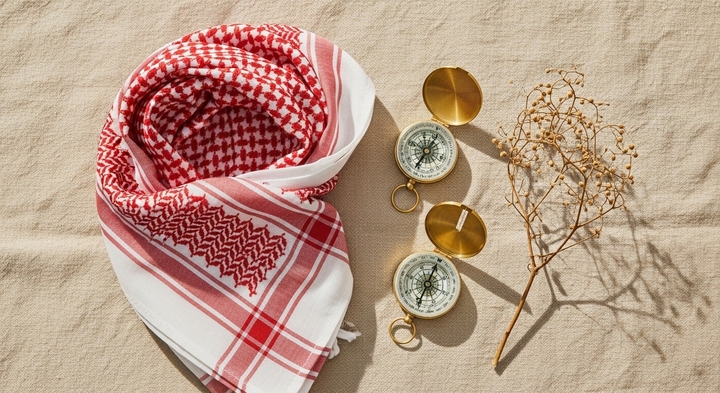
You've seen them draped elegantly or wrapped with purpose, but how do you know if the keffiyeh you own or plan to buy is the real thing? Original Palestinian Keffiyehs carry generations of history within their woven threads yet mass-produced imitations flood the market daily. Whether you're drawn to their bold patterns or deep cultural meaning, understanding authenticity transforms how you value this iconic textile. This guide walks you through genuine craftsmanship, traditional roots, and modern ways to wear this living piece of heritage.
What Are Original Palestinian Keffiyehs
Direct Answer: Original Palestinian Keffiyehs are handcrafted cotton scarves woven on traditional looms in Palestine, featuring distinctive patterns that symbolize Palestinian identity, resistance, and connection to the land.
The keffiyeh and shemagh family includes various regional styles, but Original Palestinian Keffiyehs stand apart. Made exclusively in Palestine, primarily at the last surviving factory in Hebron, these shemagh kufiya pieces use high-quality cotton and traditional weaving techniques passed down through generations. The Arabian headscarf tradition spans the Middle East, but the Palestinian version carries unique symbolism. When you hold an authentic keffiyeh, you're holding a piece of cultural memory. And for those wondering about keffiyeh scarf pronunciation, it's simple: keh-FEE-yeh.
History & Cultural Roots
The keffiyeh originated as practical headwear for Palestinian farmers, evolving over a century into a powerful global symbol of Palestinian cultural identity and national pride.
-
Practical Beginnings: Palestinian farmers (fellahin) wore the keffiyeh as protection from the sun and dust while working the land.
-
Symbolic Transformation: During the 1936 Arab Revolt, it became a nationalist symbol when urban Palestinians adopted it to unite with rural rebels.
-
Global Recognition: Leaders like Yasser Arafat and activist Leila Khaled cemented its place as an international icon of Palestinian identity.
-
Cultural Continuity: The traditional dress of Palestine includes the keffiyeh as an essential element, worn daily by elders and proudly by youth worldwide.
The Middle Eastern head wrap tradition runs deep, but the Palestinian keffiyeh carries specific meaning, each thread connecting wearers to olive groves, coastal waters, and ancestral villages.
How to Identify Authentic Keffiyehs
Look for thick, high-quality cotton with tassels on all four sides, slightly uneven texture from hand-weaving, and patterns that are woven, not printed, with designs that match traditional Palestinian motifs.
Here's how to spot the difference between genuine craftsmanship and mass-produced copies:
-
Fabric Feel: Authentic keffiyehs use thick, substantial cotton that softens beautifully over time. Imitations feel thin, scratchy, or overly synthetic.
-
Tassels Count: Real keffiyehs have tassels on all four corners and sides, not just two ends. Count them; imitations often cut corners here.
-
Pattern Depth: Traditional patterns are woven into the fabric, not printed on top. Run your fingers across the raised texture, which means authentic craftsmanship.
-
Color Quality: Genuine black dye is deep and rich, while imitations often appear faded or uneven.
-
Weave Consistency: Hand-loomed keffiyehs have slight imperfections that add character. Machine-made copies look perfectly uniform but lack soul.
-
Hirbawi Label: If it's woven at the Hirbawi factory in Hebron, the last Palestinian keffiyeh workshop, it bears their label. This is the gold standard for genuine Palestinian wrap authenticity.
Ways to Wear a Keffiyeh
You can wear a keffiyeh as a neck scarf for casual style, a head wrap for tradition or sun protection, a shoulder shawl for elegance, or even as a home accent piece.
The palestine scarf adapts to countless settings. Start by folding your square keffiyeh diagonally into a triangle, then explore these styles.
How to Wrap a Keffiyeh
-
Traditional Head Wrap: Place the folded edge across your forehead, bring both ends behind your head, cross them, and bring them forward. Tuck ends securely or let them drape.
-
Shoulder Wrap: Drape the folded triangle over your shoulders with the point down your back. Perfect for cool evenings or adding texture to simple outfits.
-
Face Covering: In dusty conditions, wrap the lower portion across your nose and mouth, returning to its practical desert origins.
How to Tie a Keffiyeh
-
Simple Neck Knot: Drape the folded scarf around your neck, cross the ends behind, and bring them forward. Tie a loose knot or let ends hang effortless everyday style.
-
Loop Through: After draping, take one end and loop it through the folded edge at your shoulder. Creates a clean, polished look.
-
Wrap and Tuck: Wrap around neck twice, then tuck ends into the wrapped fabric. Clean, sporty, and secure.
Shemagh How to Wear Around Neck
Fold the shemagh diagonally, drape it evenly around your neck with the triangle pointing down your back, cross the ends behind, bring them forward, and tie a simple knot or let them hang loosely.
This method works perfectly for casual outings. Adjust the knot tightness based on the weather, looser for breathability, snugger for warmth. The triangle back adds visual interest and keeps the style recognizable.
Styling for Men & Women
Men's Arabic Turban Style
Men can honor tradition while keeping looks current. The mens arabic turban style involves wrapping the keffiyeh securely around the head, often with an agal (black cord) to hold it in place. For modern streetwear:
-
Casual Neck Wrap: Pair a black-and-white keffiyeh with a denim jacket, plain white tee, and boots. Pattern becomes a statement piece.
-
Layered Under Jacket: Let keffiyeh ends peek out from a leather or bomber jacket, adding texture and edge.
-
Monochromatic Look: Style red-and-white keffiyeh with earth tones olive, brown, and cream colors harmonize beautifully.
Palestinian Dress for Women
Women incorporate keffiyeh into Palestinian dress for women traditions and contemporary fashion alike:
-
Shoulder Shawl: Drape over a neutral sweater or dress. Instant elegance with cultural depth.
-
Head Wrap Modestly: Fold into a triangle, wrap securely around the head, and tuck ends. Honors tradition while looking polished.
-
Belted Accent: Fold keffiyeh lengthwise and thread through belt loops unique touch to jeans or trousers.
-
Bag Accessory: Tie the corner of a small keffiyeh around the handbag strap. Subtle cultural nod that sparks conversation.
For a complete palestinian outfit, pair your keffiyeh with an embroidered thobe for traditional events, or with modern basics for daily wear heritage meets here and now.
Authentic Quality & Where to Buy
Buy Original Palestinian Keffiyehs from reputable sellers who source directly from Palestinian artisans, ensuring your purchase supports cultural preservation and authentic craftsmanship.
Why does authenticity matter? Every mass-produced imitation undermines Palestinian artisans who've woven these scarves for generations. When you choose authentic:
-
You preserve tradition: The Hirbawi factory, Palestine's last keffiyeh weaver, employs skilled artisans keeping centuries-old techniques alive.
-
You get quality: Handwoven cotton lasts decades, softening beautifully while holding its shape.
-
You show respect: Wearing an authentic keffiyeh honors the culture it represents rather than appropriating it.
For Original Palestinian Keffiyehs, seek sellers transparent about sourcing. Retailers like KUVRD (as an example of quality-conscious distributors) prioritize connecting customers with ethically sourced, authentic pieces. Look for the Hirbawi label, read seller stories, and ask about origins before purchasing. The palestine scarf you buy should come with a story, not just a price tag.
Caring for Your Keffiyeh
Your heritage wrap deserves care that matches its quality. Follow these simple steps to preserve its beauty for decades:
-
Washing: Hand wash in cold water with mild detergent. Never machine wash; agitation damages fibers and tassels.
-
Drying: Lay flat or hang in shade. Avoid direct sunlight it fades the deep black dye over time.
-
Ironing: Use medium heat while slightly damp. Iron on the reverse side to protect the pattern texture.
-
Storage: Fold neatly in the drawer away from moisture. Avoid hanging by tassels; they may stretch or break.
A well-maintained cultural textile becomes an heirloom, carrying meaning to future generations.
Conclusion
Original Palestinian Keffiyehs represent far more than fashion; they're woven testimonies to resilience, identity, and cultural continuity. By choosing authentic pieces, wearing them with understanding, and caring for them properly, you become part of that ongoing story. Whether draped traditionally over a farmer's shoulders or styled casually on city streets, these scarves connect the past and present, the homeland and the diaspora. Invest in authenticity. Wear with pride. Honor the heritage.
FAQs
How do you pronounce keffiyeh scarf?
It's pronounced keh-FEE-yeh, stress on the second syllable, with a soft "kh" sound at the end.
What is the difference between a keffiyeh and shemagh?
Both are similar scarves, but "keffiyeh" typically refers to the Palestinian version with specific patterns, while "shemagh" is more common in Jordan and Gulf countries, often in red and white.
How do you wear an Original Palestinian Keffiyeh?
Fold it diagonally into a triangle, then drape it around your neck or head. Tie ends loosely or wrap securely depending on your style and need.