Laparoscopic Surgery in Dubai: Techniques and Patient Benefits
Medical technology has changed the way surgeries are performed today. Many procedures that once required large cuts and long hospital stays can now be completed using advanced minimally invasive techniques. These developments have made surgery safer, faster, and more comfortable for patients.
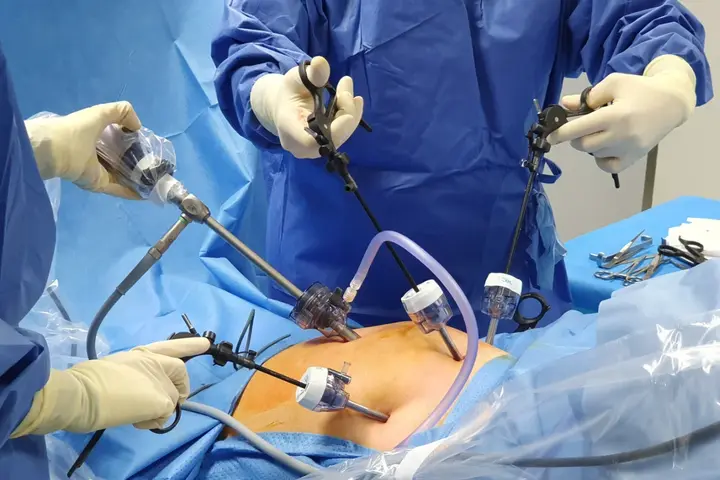
One of the most significant advancements in modern healthcare is laparoscopic surgery. This surgical method uses small incisions, specialized instruments, and a camera to perform procedures with greater precision than traditional open surgery.
Today, laparoscopic surgery in dubai has become a preferred option for many patients and healthcare providers. With advanced medical facilities, experienced surgeons, and modern technology, Dubai offers high-quality laparoscopic procedures for a wide range of medical conditions.
What Is Laparoscopic Surgery?
Laparoscopic surgery is a minimally invasive surgical technique used to diagnose and treat various health conditions. Instead of making a large incision, surgeons make several small cuts through which they insert a laparoscope and other surgical instruments.
A laparoscope is a thin tube equipped with a high-definition camera and light source. The camera sends images to a monitor, allowing the surgeon to see inside the body in real time and perform the procedure with accuracy.
Because the incisions are small, patients usually experience less pain, reduced scarring, and a faster recovery compared to traditional surgery.
How Does Laparoscopic Surgery Work?
The procedure generally follows these steps:
1. Administration of Anesthesia
The patient is placed under general anesthesia to ensure comfort throughout the surgery.
2. Small Incisions Are Made
The surgeon creates small incisions, usually between 0.5 and 1.5 centimeters in size.
3. Insertion of Carbon Dioxide Gas
A harmless gas is introduced into the abdominal cavity to create space and improve visibility.
4. Placement of the Laparoscope
The laparoscope is inserted through one of the incisions, providing a clear view of the internal organs.
5. Surgical Procedure
Special instruments are inserted through the remaining incisions to perform the operation.
6. Completion of Surgery
After the procedure is completed, the instruments are removed, and the small incisions are closed with sutures or surgical tape.
Common Conditions Treated with Laparoscopic Surgery
Laparoscopic surgery is used for many different medical conditions.
Gallbladder Disease
One of the most common laparoscopic procedures is gallbladder removal. Patients suffering from gallstones often benefit from this minimally invasive approach.
Hernias
Laparoscopic techniques are widely used to repair inguinal, umbilical, and other types of hernias.
Appendix Problems
Appendectomy, the removal of the appendix, can often be performed laparoscopically with excellent outcomes.
Gynecological Conditions
Women with conditions such as ovarian cysts, endometriosis, fibroids, or ectopic pregnancies may be treated through laparoscopic surgery.
Digestive Disorders
Certain intestinal and stomach conditions can be diagnosed and treated using laparoscopic methods.
Bariatric Surgery
Weight-loss procedures, including gastric sleeve surgery, are frequently performed using laparoscopic techniques.
Types of Laparoscopic Surgery
Different types of laparoscopic procedures are available depending on the patient's condition.
Diagnostic Laparoscopy
This procedure helps doctors examine internal organs and identify the cause of symptoms such as chronic abdominal pain.
Therapeutic Laparoscopy
Used to treat existing medical conditions by removing diseased tissue or repairing damaged structures.
Gynecological Laparoscopy
Focused on diagnosing and treating female reproductive health conditions.
Gastrointestinal Laparoscopy
Used for conditions affecting the stomach, intestines, colon, and digestive tract.
Urological Laparoscopy
Performed to treat conditions involving the kidneys, bladder, and urinary system.
Advanced Techniques Used in Modern Laparoscopic Surgery
Healthcare facilities today use several advanced laparoscopic techniques to improve patient outcomes.
High-Definition Imaging
Modern cameras provide highly detailed images, allowing surgeons to work with greater precision.
3D Visualization
Some surgical systems offer three-dimensional viewing, improving depth perception during complex procedures.
Single-Incision Laparoscopic Surgery
Instead of multiple incisions, some procedures can be performed through a single small incision, often hidden within the belly button.
Robotic-Assisted Laparoscopic Surgery
Robotic systems enhance the surgeon's control and precision, especially during complex operations.
Enhanced Energy Devices
Advanced surgical tools help reduce bleeding and improve tissue handling during procedures.
Benefits of Laparoscopic Surgery
One of the main reasons patients choose laparoscopic surgery is the wide range of benefits it offers.
Smaller Incisions
Traditional surgeries often require large cuts, while laparoscopic procedures involve only small openings.
Benefits Include:
- Less visible scarring
- Improved cosmetic results
- Reduced tissue damage
Less Pain After Surgery
Smaller incisions usually result in less postoperative discomfort.
Patients often require fewer pain medications and experience a more comfortable recovery process.
Faster Recovery
Most patients can return to their normal activities sooner than they would after open surgery.
This means:
- Shorter recovery periods
- Earlier return to work
- Faster return to daily routines
Reduced Hospital Stay
Many laparoscopic procedures allow patients to go home within one or two days.
Some surgeries may even be performed as day-care procedures, depending on the patient's condition.
Lower Risk of Infection
Smaller wounds reduce exposure to bacteria and help decrease the risk of postoperative infections.
Less Blood Loss
Laparoscopic surgery often causes less bleeding during the procedure, reducing the likelihood of blood transfusions.
Better Surgical Precision
High-definition cameras provide magnified views of internal structures, allowing surgeons to perform delicate procedures with accuracy.
Improved Patient Satisfaction
Many patients appreciate the combination of:
- Less pain
- Faster recovery
- Smaller scars
- Better overall experience
Who Is a Good Candidate for Laparoscopic Surgery?
Many individuals can benefit from laparoscopic procedures, but suitability depends on several factors.
Good candidates generally include patients who:
- Require abdominal or pelvic surgery
- Are in stable overall health
- Have conditions that can be treated using minimally invasive techniques
- Can safely undergo anesthesia
The final decision is made after a complete medical evaluation.
Preparing for Laparoscopic Surgery
Proper preparation helps ensure a successful procedure and smooth recovery.
Medical Evaluation
Patients typically undergo:
- Physical examination
- Blood tests
- Imaging studies
- Review of medical history
Medication Review
Certain medications may need to be adjusted before surgery.
Patients should always inform their surgeon about:
- Prescription medications
- Over-the-counter drugs
- Vitamins
- Herbal supplements
Fasting Instructions
Most patients are required to avoid food and drinks for several hours before surgery.
What Happens After Surgery?
Recovery varies depending on the type of procedure performed.
Immediately After Surgery
Patients are monitored in a recovery area until the effects of anesthesia wear off.
Going Home
Many patients are discharged the same day or within 24 to 48 hours.
Recovery Period
Most individuals can gradually resume normal activities within a few days to a few weeks.
Follow-Up Appointments
Regular follow-up visits help ensure proper healing and monitor recovery progress.
Tips for a Smooth Recovery
Patients can support their recovery by following medical advice carefully.
Stay Active
Light walking improves circulation and reduces the risk of complications.
Eat a Healthy Diet
Nutritious foods support healing and help restore energy levels.
Drink Plenty of Water
Proper hydration plays an important role in recovery.
Follow Medication Instructions
Take prescribed medications exactly as directed.
Avoid Heavy Lifting
Strenuous activities should be avoided until approved by the surgeon.
Possible Risks and Complications
Although laparoscopic surgery is considered safe, all surgeries carry some level of risk.
Potential complications may include:
- Infection
- Bleeding
- Reactions to anesthesia
- Injury to nearby organs
- Blood clots
These complications are uncommon, especially when procedures are performed by experienced surgical teams.
Why Dubai Is a Popular Destination for Laparoscopic Surgery
Dubai has become a leading healthcare destination for patients seeking advanced surgical care.
Several factors contribute to its popularity:
Modern Medical Facilities
Hospitals and clinics are equipped with advanced surgical technology and state-of-the-art operating rooms.
Experienced Specialists
Patients have access to highly trained surgeons skilled in minimally invasive procedures.
International Standards
Many healthcare institutions follow globally recognized medical protocols and quality standards.
Patient-Centered Care
Healthcare providers focus on personalized treatment plans and comprehensive support throughout the patient's journey.
Advanced Technology
The use of high-definition imaging systems, robotic assistance, and modern surgical equipment helps improve outcomes and patient experiences.
Conclusion
Laparoscopic surgery has transformed modern healthcare by providing a safer and less invasive alternative to traditional open surgery. With smaller incisions, reduced pain, shorter hospital stays, faster recovery, and improved surgical precision, it offers numerous benefits for patients facing a variety of medical conditions.
For individuals considering best laparoscopic surgeon in dubai, consulting an experienced specialist is an important step toward receiving the most appropriate treatment. Professionals such as Dr. Neha Lalla can evaluate each patient's condition, discuss available options, and create a personalized treatment plan designed to achieve the best possible outcome.