Endodontics Dubai: Root Canal Safety, Steps, and Healing
Posted by Umar khan
616 views
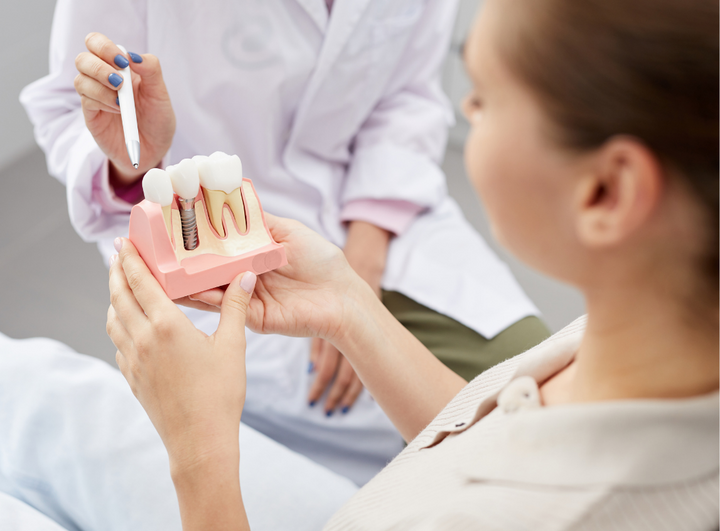
Tooth pain can be stressful, confusing, and sometimes scary. Many people worry when they hear that they may need a root canal treatment. They imagine pain, long recovery, or risks. In reality, modern dental care has made root canal treatment very safe, gentle, and effective.
If you are exploring treatment options and reading about endodontics dubai, it is important to understand what endodontics really means, how safe the procedure is, and what you can expect during healing. This guide explains everything in very simple words, so you feel calm and confident before making a decision.
What Is Endodontics?
Endodontics is a special area of dentistry. It focuses on treating problems inside the tooth. The word “endo” means inside, and “dontics” means tooth. So, endodontics is all about the inner part of the tooth.
Inside every tooth, there is a soft tissue called the pulp. The pulp contains nerves and blood vessels. When this pulp becomes infected or damaged, it can cause pain, swelling, and sensitivity. Endodontic treatment helps remove the infection and save the natural tooth.
The most common endodontic treatment is a root canal.
Why Do You Need a Root Canal?
A root canal is needed when the pulp inside your tooth is infected or inflamed. This infection does not heal on its own and can get worse if ignored.
Common reasons you may need a root canal
-
Deep tooth decay
-
Cracked or broken tooth
-
Injury to the tooth
-
Repeated dental procedures on the same tooth
-
Severe tooth pain when chewing
-
Long-lasting sensitivity to hot or cold
-
Swollen gums near the tooth
If the infection is not treated, it can spread to nearby areas and may even lead to tooth loss.
Is Root Canal Treatment Safe?
Yes, root canal treatment is very safe. Thanks to modern dental tools, advanced imaging, and improved techniques, the procedure is now routine and comfortable.
Many people fear root canals because of old stories. In the past, dental treatments were not as advanced. Today, local anesthesia, digital scans, and precise tools make root canal treatment almost painless.
When done properly, a root canal can save your tooth for many years, sometimes for a lifetime.
How Root Canal Treatment Protects Your Tooth
The main goal of endodontic treatment is to save your natural tooth. Keeping your own tooth is always better than removing it.
A root canal helps by:
-
Removing infection from inside the tooth
-
Stopping pain and swelling
-
Preventing the spread of bacteria
-
Restoring normal tooth function
-
Avoiding tooth extraction
Saving the tooth also helps keep your bite strong and your smile natural.
Step-by-Step Root Canal Procedure Explained Simply
Many patients feel nervous because they do not know what happens during a root canal. Understanding the steps can make you feel more relaxed.
Step 1: Examination and X-ray
The dentist first examines your tooth and takes an X-ray. This helps see the shape of the root canals and the level of infection.
Step 2: Numbing the Area
Local anesthesia is used to numb the tooth and surrounding area. You should not feel pain during the procedure.
Step 3: Opening the Tooth
A small opening is made on the top of the tooth. This allows access to the infected pulp.
Step 4: Cleaning the Infection
Special tools are used to gently remove the infected pulp from inside the tooth. The canals are carefully cleaned and shaped.
Step 5: Filling the Canals
After cleaning, the canals are filled with a safe material that seals the space and prevents future infection.
Step 6: Sealing the Tooth
A temporary or permanent filling is placed on top of the tooth. In many cases, a crown is added later to protect the tooth.
The entire process is done with care and precision.
Does a Root Canal Hurt?
This is one of the most common questions. The simple answer is no.
During the procedure, the area is numb, so you should not feel pain. You may feel some pressure, but it is usually mild.
After the treatment, some discomfort or soreness is normal for a few days. This is part of the healing process and can be managed with basic pain medicine.
Most people say the pain from the infection before treatment is much worse than the procedure itself.
How Long Does a Root Canal Take?
A root canal usually takes one or two visits. Each visit may last about 60 to 90 minutes.
The time depends on:
-
The number of roots in the tooth
-
The level of infection
-
Whether it is a front tooth or a molar
Simple cases can be completed in one visit, while complex cases may need more time.
Healing After Root Canal Treatment
Healing after a root canal is usually smooth and simple. Most people return to normal activities the next day.
What you may feel after treatment
-
Mild soreness when biting
-
Slight swelling
-
Sensitivity for a few days
These symptoms are normal and should slowly improve.
Tips for faster healing
-
Avoid chewing hard foods on the treated tooth
-
Maintain good oral hygiene
-
Take medicines as advised
-
Attend follow-up appointments
-
Get a crown if recommended
Following these steps helps protect the treated tooth and supports healing.
How Long Does It Take to Heal Fully?
Initial healing usually takes a few days. Full healing of the surrounding tissues may take a few weeks.
If you experience severe pain, swelling, or fever after treatment, you should contact your dentist. These signs are rare but should not be ignored.
Importance of a Crown After Root Canal
After a root canal, the tooth may become weaker because the pulp is removed. A dental crown is often recommended to protect the tooth.
Benefits of a crown
-
Strengthens the treated tooth
-
Prevents cracking
-
Restores normal chewing
-
Improves appearance
Not every tooth needs a crown, but back teeth often do because they handle more pressure.
What Happens If You Delay Root Canal Treatment?
Delaying treatment can lead to serious problems. The infection inside the tooth will not go away on its own.
Possible risks of delay include:
-
Increased pain
-
Swelling and abscess formation
-
Spread of infection to nearby teeth
-
Bone damage
-
Tooth loss
Early treatment is always easier, safer, and more comfortable.
How Successful Is Root Canal Treatment?
Root canal treatment has a very high success rate. Many treated teeth last for decades with proper care.
Success depends on:
-
Early treatment
-
Proper cleaning and sealing
-
Good oral hygiene
-
Regular dental check-ups
When done correctly, root canal treatment is one of the best ways to save a natural tooth.
Endodontics and Modern Technology
Modern endodontics uses advanced tools to improve accuracy and comfort.
Some modern features include:
-
Digital X-rays for precise diagnosis
-
Advanced cleaning tools
-
High-quality filling materials
-
Better anesthesia techniques
These advancements make treatment safer and more predictable, especially in places like Dubai, where dental technology is highly developed.
Who Should Perform Root Canal Treatment?
Root canal treatment should be done by a trained dental professional. In complex cases, an endodontic specialist may be recommended.
Specialists have extra training in treating difficult root canal systems and managing infections.
Caring for Your Tooth After Healing
Once healing is complete, caring for your tooth is simple.
Good habits include:
-
Brushing twice a day
-
Flossing daily
-
Avoiding excessive sugar
-
Wearing a night guard if you grind your teeth
-
Visiting the dentist regularly
With good care, a treated tooth can function like a natural tooth.
Common Myths About Root Canal Treatment
Myth 1: Root canals are painful
Modern treatment is designed to relieve pain, not cause it.
Myth 2: Tooth removal is better
Saving your natural tooth is usually the best option.
Myth 3: Root canals cause illness
There is no scientific proof supporting this claim.
Understanding the facts helps reduce fear and anxiety.
When Should You See a Dentist?
You should see a dentist if you have:
-
Persistent tooth pain
-
Sensitivity that lasts
-
Swelling around a tooth
-
Pain when biting
Early diagnosis makes treatment easier and more successful.
Conclusion
Root canal treatment is a safe, effective, and reliable way to treat infected teeth and protect your natural smile. With modern techniques, the procedure is comfortable, and healing is usually quick. Understanding the steps, safety, and recovery process helps remove fear and builds confidence.
If you are considering endodontics dubai, choosing experienced professionals and following proper aftercare can make a big difference in results. At the conclusion of your treatment journey, clinics such as Swissmed Clinic focus on patient comfort, safety, and long-term oral health, helping you smile with confidence again.