Innovative Sewer Camera Solutions for Modern Plumbing
Posted by alex carter
Filed in Other 538 views
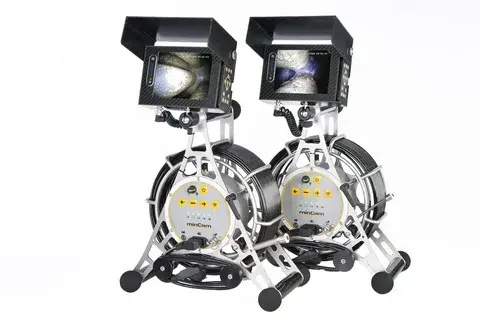
In today’s plumbing industry, a sewer camera has become an indispensable tool for accurate inspection and diagnostics. These advanced camera systems allow plumbers and technicians to visually assess sewer lines and underground pipes without disruptive excavation. From detecting blockages to identifying structural damage, sewer cameras help professionals save time, reduce costs, and provide superior service quality.
For decades, traditional plumbing relied on surface clues and manual digging to locate issues, often resulting in unnecessary damage and high labor costs. The introduction of sewer camera technology revolutionized the process, enabling inspectors to see inside pipes in real time. This innovation not only enhances accuracy but also dramatically improves customer satisfaction by resolving problems faster and more efficiently.
What Is a Sewer Camera?
A sewer camera, also known as a pipeline inspection camera, is a waterproof video device mounted on a flexible push rod or crawler unit. It is inserted into sewer lines, drains, and pipelines to provide live visual feedback to operators. These cameras are equipped with high resolution lenses and LED lighting, allowing for clear images even in dark and murky environments.
As the camera travels through the pipeline, it transmits footage to a monitor, enabling operators to:
-
Detect clogs and blockages
-
Identify root intrusion or corrosion
-
Locate cracked, collapsed, or damaged pipe sections
-
Verify successful completion of pipe repairs
By using a sewer camera, technicians can pinpoint problems with precision, eliminating guesswork and minimizing unnecessary excavation.
Key Benefits of Using Sewer Camera Systems
1. Accurate Problem Identification
Gone are the days of digging blind. Sewer cameras allow technicians to diagnose issues accurately, reducing the estimate time and work needed to solve problems.
2. Cost‑Effective Solution
While the initial investment in sewer camera equipment may seem significant, the long‑term savings are undeniable. Reduced labor, fewer unnecessary digs, and faster diagnostics translate to lower costs for both service providers and clients.
3. Enhanced Safety
Working with sewer systems poses health and safety risks. Using a sewer camera reduces the need for direct human entry into potentially hazardous environments, keeping workers safer.
4. Preventive Maintenance
Regular sewer camera inspections can catch early signs of pipe wear, tree root invasion, or buildup. Addressing these issues early helps prevent future emergencies and costly repairs.
5. Improved Customer Trust
Providing visual evidence of plumbing issues builds trust with customers. Clients appreciate seeing the problem and understanding the necessary solutions rather than relying on verbal descriptions alone.
Types of Sewer Cameras
Push‑Rod Sewer Cameras
These are the most common type, ideal for residential and light commercial use. The camera is attached to a flexible rod that can be manually fed into pipes up to a certain length.
Crawler Sewer Cameras
Designed for larger, industrial pipelines, crawler units are motorized and can traverse long distances with enhanced stability and control. They typically offer higher video quality and advanced positioning features.
Portable vs. Permanent Systems
Portable sewer camera systems are perfect for mobile service businesses and on‑site inspections, whereas permanent installations might be used in industrial complexes for continuous monitoring.
How Sewer Cameras Improve Plumbing Workflows
Enhanced Diagnostics
By visually confirming the nature of an issue, plumbers can plan the best course of action without uncertainty. For example, distinguishing between a grease buildup and a structural crack changes the needed response entirely.
Streamlined Reporting
Inspection footage can be recorded and presented to clients or team members. This documentation supports professional reporting, compliance, and transparency.
Faster Turnaround
Rather than spending hours probing and testing, technicians using sewer cameras often complete diagnostics in a fraction of the time.
Reduced Disruption
Since the camera travels within existing pipe pathways, there is minimal disturbance to landscaping, flooring, or other property elements.
Best Practices for Sewer Camera Inspections
To maximize the value of sewer camera technology, technicians should follow these best practices:
-
Pre‑Clean Lines: Remove large debris before inspecting to ensure clearer visuals.
-
Use Proper Lighting: Ensure camera lighting is adjusted for the best image quality.
-
Document Findings: Record video or capture still images during inspections.
-
Regular Calibration: Maintain and calibrate equipment regularly for optimal performance.
-
Training: Ensure operators are trained to interpret footage accurately.
By following these steps, service providers can make the most of their investment and deliver consistent results.
Common Applications of Sewer Cameras
Sewer cameras are versatile tools used across various sectors:
-
Residential Plumbing: Diagnose household blockages and pipe damage.
-
Commercial Buildings: Inspect complex drainage networks in offices and facilities.
-
Municipal Utilities: Monitor public sewer infrastructures.
-
Construction Projects: Confirm pipeline conditions before and after installation.
-
Maintenance Contracts: Routine checks to prevent system failures.
In all these scenarios, sewer cameras provide clarity that traditional diagnostic methods simply cannot match.
Choosing the Right Sewer Camera System
When selecting a sewer camera system, consider the following:
-
Pipe Diameter and Length: Match camera cable length and flexibility to inspection needs.
-
Video Resolution: Higher resolution improves diagnostic accuracy.
-
Durability: Waterproof, rugged systems perform better in harsher conditions.
-
Portability: Lightweight systems are more practical for mobile technicians.
-
Cost vs. Value: Balance initial cost with long‑term benefits and expected usage.
Selecting a high‑quality sewer camera system tailored to specific job requirements ensures reliable performance and long service life.
Conclusion
In a competitive plumbing industry, investing in advanced tools like a sewer camera is no longer optional — it’s essential. These systems provide accurate diagnostics, cost savings, safety improvements, and customer satisfaction. Whether for residential service calls or large‑scale municipal inspections, sewer camera technology elevates professional capabilities. At the forefront of inspection technology, seca remains committed to providing reliable solutions that help plumbing professionals work smarter, faster, and with greater confidence.